The relationship between stress and food is a complex one. Stress hormones like cortisol can increase food cravings, especially for energy-rich foods like sugar and fat. For others, stress-related digestive issues like nausea or constipation will reduce their appetite. For many, stress can trigger emotional eating, where individuals turn to comfort foods do satisfy some emotional needs. Others are too busy to think about food and may even forget that it is mealtime.
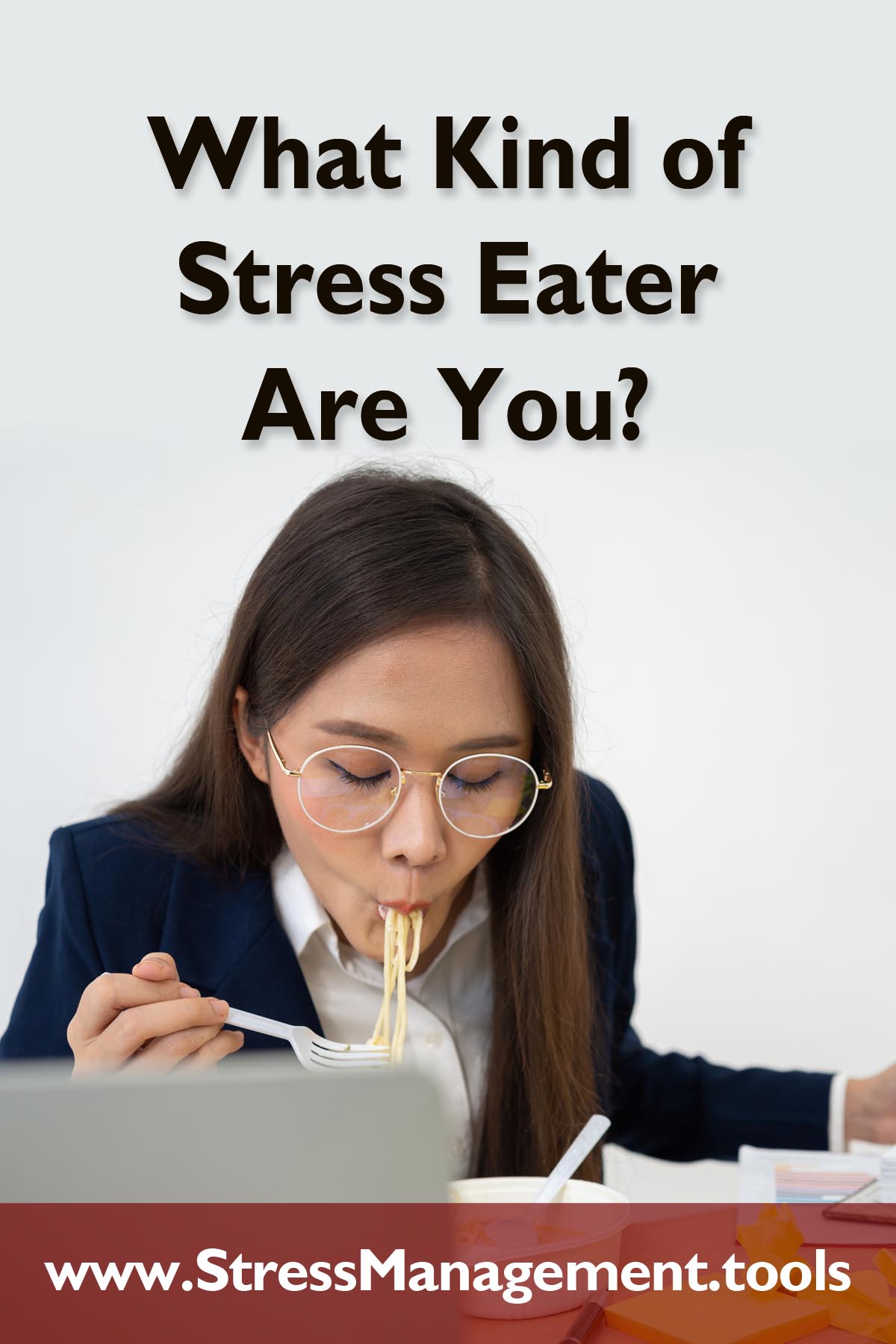
Scientists divide stress eaters into two groups, munchers and skippers. Munchers tend to eat more after a negative experience while skippers eat less when facing a stressful event, but will celebrate with an extra food intake when they are relaxed. Munchers also eat about one-third more calories on average.
Once you become aware of your habits, you can take control of them. Try these strategies for munchers, skippers, or anyone who struggles with emotional eating.
Strategies for Munchers
- Encourage yourself. Remembering all your blessings makes difficult times easier to bear. Thinking about your major accomplishments helps you to recall your strengths even when you’re cringing over a recent mistake.
- Look on the bright side. We usually experience a number of failures on the road to success. Even when you fail to get the results you wanted, see what you can learn from the situation.
- Laugh more. Some stressful situations may seem funny when you try to find the humor in them. Share a funny story about the quirks of your boss with your coworkers. Learn to laugh about your own faults instead of getting wrapped up in them. And find some humor about a silly argument you had with your partner. You’ll be too busy laughing to stop for potato chips.
- Acknowledge your emotions. Learn to validate your feelings. Acknowledge when you are upset or angry. Expressing emotions makes us less vulnerable to using food for comfort.
- Find other rewards. Learn that food is not the only way to reward yourself. You may opt for a warm bath, a cup of hot tea, a quiet time to read a book or a massage. If you be more active with self-care and show yourself love with things you enjoy, you will feel less of an urge to opt for comfort foods when you are stressed.

Strategies for Skippers
- Set an alarm for mealtimes. If you have the tendency to forget to eat when you are stressed, set an alarm to remind yourself that you need food. Refrain from the belief that you will be too busy to stop, because you need to fuel up on nutritious food in order to be energized for the rest of the day.
- Eat consciously. Your thoughts may be somewhere else during lunch break, but bring them right back to your food. Chew well, feel the texture, savor the taste, smell the aroma and enjoy the moment while you eat. Do not eat while checking your emails. Prepare your lunch and sit down to be calm and fully present while you eat.
- Put pleasures in perspective. Refrain from the urge to celebrate your achievements with food. It’s natural to get excited about a dream vacation or a fabulous new pair of sandals. Be sure to also cultivate a deeper sense of peace and contentment through healthy relationships and virtuous living so you can manage your emotions and thoughts.
- Share your joy. The most effective way to use pleasures constructively is to share them with others. The gratification you’ll feel when you give part of your raise to charity will outshine any extra dessert.
- Plan non-food celebrations. If you usually go out to dinner to celebrate good times, try planning more unusual festivities. Go away for a ski weekend on your next wedding anniversary.
- Be extra careful during the holidays. The average weight gain of 1 to 2 pounds during the winter months adds up over a lifetime. Put your heart into Christmas carols and decorating rather than eggnog and chocolate cake.

Strategies for Any Kind of Emotional Eating
- Practice relaxation techniques. Melt away stress with deep breathing, a relaxing walk or a warm bath. Pet your cat or listen to gentle music.
- Stay Hydrated. Many times, we can feel hungry when we are really thirsty. Your brain consists of 85% water, so it will thrive on adequate fluid intake. Avoid drinking any liquids with meals, but drink plenty of water between meals. Keeping yourself well hydrated will help you to control those food cravings. Plain water is best, but you can add a sprinkle of lemon if you need something for flavor.
- Exercise regularly. Exercise counters emotional eating in several ways. Physical activity burns off calories and temporarily suppresses your appetite. It also elevates your mood so it’s easier to resist cookies.
- Talk things over. Call a friend instead of a pizza parlor when you feel exceedingly happy or sad. Discussing your feelings provides longer-lasting relief than marinara sauce and extra cheese.
- Keep a food journal. Spot your individual triggers by writing down when and what you eat and how you feel in that moment. This diary will reveal your emotional food triggers, or even the time of the day you are more likely to stress eat. Recognizing these patterns is the first step to correct them. And not everybody is stressing about the same. Your sensitive areas may be related to work, your finances, your family or something else.
- Avoid trigger foods. If you cannot resist the temptation of chocolate bar in front of you, then remove it from your sight. Discover in your food journal, which foods you are frequently indulging in stress eating, and avoid having them around. You will eat them only if at some point you brought them into your house.
- Discover smart substitutions. Minimize the impact of emotional eating by finding satisfaction in fewer calories. Replace corn chips with carrot sticks dipped in salsa. Indulge in a homemade mango popsicle instead of whole-fat ice cream.
- Establish regular mealtimes. You can avoid unwanted calories by constant snacking in simply defining a set mealtime and eating nothing in between. Your body will do better if you put regularity into eating, sleeping and exercising. Three regular meals are best, starting the day with a substantial breakfast and ending with a very light supper. If you want to lose weight, consider skipping supper altogether. And most importantly, refrain from snacking at all cost. It may be hard at the beginning to get into the habit, but it will get easier once you get used to it.
- Consider counseling. Professional therapists have helped many people to gain control over emotional eating. And if you are not dealing with an extreme case, a well trained coach can be very helpful.
Whether you’re a muncher or a skipper, you can choose to develop new and healthier habits. Eat right and manage stress so you can look and feel your best.
Do you need a guide to help you understand how to cope with Stress in an all inclusive approach? Learn how to combat stress, mentally, physically, emotionally and strategically in your life.


Martin Neumann was trained for Lifestyle Interventions in 1998 at Wildwood Lifestyle Center & Hospital. Since then he has lectured in different parts of the world about a healthy lifestyle and natural remedies. He is the founder of the Abundant Health website.
Leave a Reply