Adzuki bean, Borlotti bean, Cannellini bean, Dragon Tongue bean, Eye of the Goat bean, Flageolet bean, Giant White bean, Haricot bean, Irish Traveller bean, Jacob’s Cattle bean, Kidney bean, Lima bean, Moth bean, Navy bean, October bean, Pinto bean, Queen Anne bean, Runner bean, Soybean, Tepary bean, Urad bean, Velvet bean, Wren’s Egg bean, Yellow Eye bean, Zolfino bean. The list could go on…
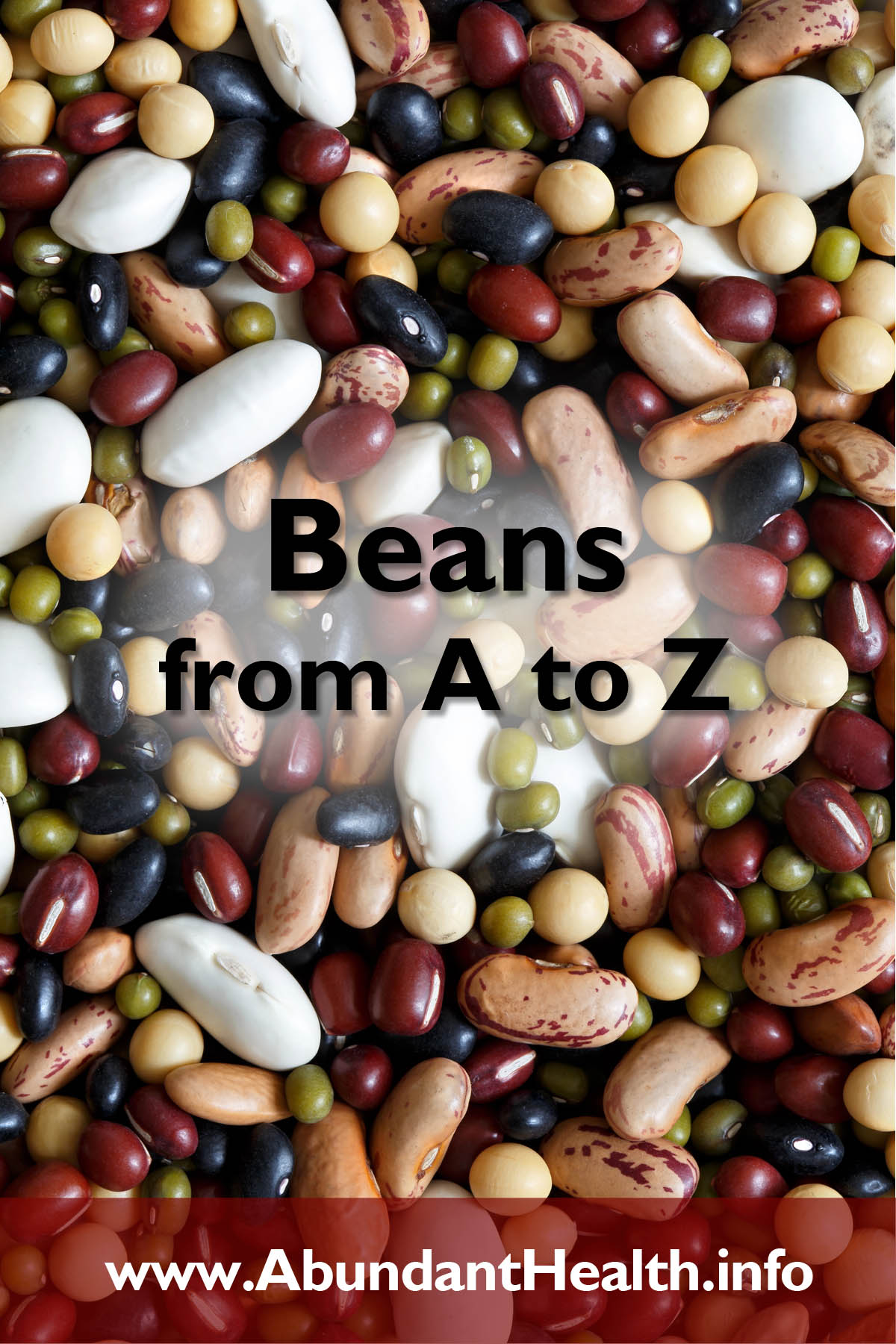
Beans belong to the legumes, they are called Fabaceae. Botanically speaking, the fruits are correctly referred to as pods, in contrast to siliques, which have two chambers and are separated by a septum. The latter belong to the cruciferous family, called Brassicaceae. Mustard, rapeseed, and cabbage types are the best-known representatives.
Beans, as well as peas and lentils, provide high-quality protein. They are among humanity’s oldest and most important cultivated plants. However, they were displaced by meat in affluent countries and are fortunately experiencing a renaissance. Beans are not only highly valuable in the diet but also for soil fertility. Through their symbiosis with nodule bacteria, they enrich the soil with nitrogen, which they are able to fix via the soil air and make available to subsequent or companion crops.
Our common bean (Phaseolus vulgaris) originates from South America, like so many of our favorite crops. But long before it made its way to Europe, the Old World relied on a different high-protein powerhouse: the fava bean (Vicia faba var. faba). In fact, the early medieval emperor Charlemagne explicitly ordered its cultivation in his famous 9th-century decree, the Capitulare de villis. However, following the Columbian discovery of the New World and the arrival of South American beans, the humble fava bean faced fierce competition and was largely downgraded to livestock feed. Today, it is enjoying a culinary comeback thanks to the popularity of Mediterranean cooking.
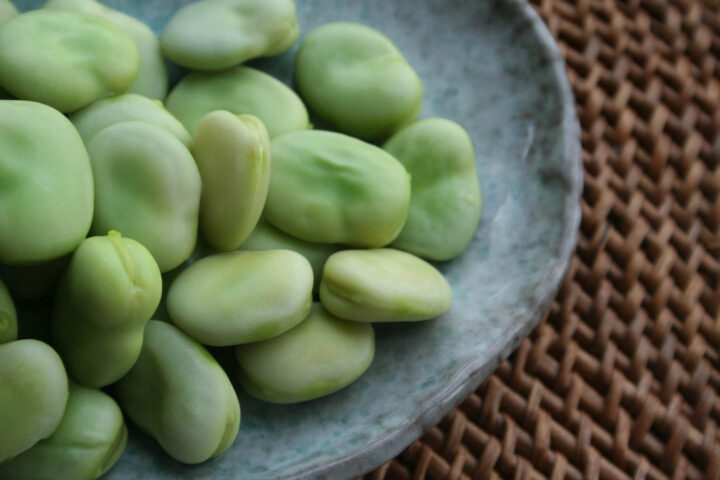

The fava bean is highly tolerant of low temperatures, making it ideal for colder climates. It can be planted at least a month earlier than other beans. Green beans, and especially pole beans, should not be planted until after the last frost. A key factor in growing them is a good water supply, especially during the flowering period. If they lack water, they will produce very few pods. Hilling up the plants is also very beneficial. It increases their stability.
Let’s now turn to our representative from South America. Originally, it was a climbing bean. The Native Americans grew it alongside corn, allowing it to climb up the stalks. Over time, low-growing bush beans were bred. Today, we have a very wide variety of beans. While older varieties still have strings that need to be removed before cooking, newer cultivars no longer have them.
The pods and seeds of the various varieties vary greatly in both color and shape. The seeds can be spherical, oval, elongated, flat, or round; they may be colorfully speckled, light to reddish-brown, white, or nearly black. It’s a real feast for the eyes. The pods are just as colorful. There are green, purple, blue, yellow, speckled, very thin, round, or wide ones. A particular beauty is the Borlotto Rosso, speckled with red and white.
Another special variety is the scarlet runner bean (Phaseolus coccineus). It is a very hardy pole bean with impressive red flowers. If the pods are harvested at the right time, they have an excellent flavor. As they ripen, they develop a woolly coating. At this point, you can simply let them ripen fully and use the wonderfully large and colorful seeds in the kitchen for stews, salads, or bean soups. If you want to experiment, you can try overwintering the thickened roots of the fire bean in a frost-free location and replanting them in the spring. They will then have a significant head start over newly sown plants.
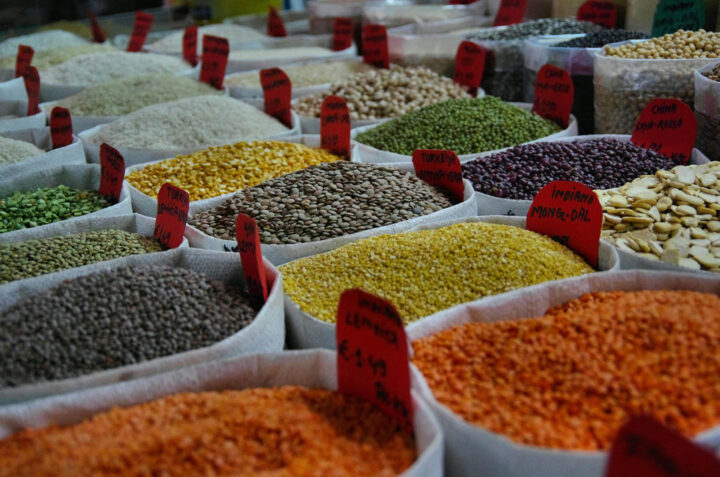
The ways in which beans are used in cooking are also diverse. Most often, their fleshy part is eaten while still unripe as green beans. If the beans are left to ripen on the plant, we get dried beans. They have a very long shelf life and are soaked and cooked before eating, or sometimes sprouted.
What all beans have in common is that they must not be eaten raw. This is due to a substance called lectin, a protein compound with toxic and hemagglutinating effects. It causes red blood cells to clump together. In the worst case, consuming large quantities can lead to gastrointestinal bleeding and even death. Cooking breaks down the toxin phasin, also known as phytohemagglutinin. It is harmless in the cooking water if the beans are cooked long enough. Dried raw beans are not adequate to cook in a crockpot, since the temperatures are not high enough to eliminate the toxins.
Phasin is also broken down during sprouting. Highly sensitive individuals are advised to blanch the sprouted beans as a precaution. Not everyone reacts the same way to residual amounts of phasin. There is a known case from World War I where prisoners of war, driven by hunger, ate large quantities of green beans while cutting them and subsequently died. Symptoms of poisoning include dizziness, vomiting, diarrhea, headaches, cramps, and fever. The symptoms subside after about thirty hours.
Beans contain provitamin A, Vitamin B complex, Vitamins C and E, niacin, folic acid, minerals (especially iron, calcium, and magnesium), carbohydrates, dietary fiber, and protein; they are low in fat and contain no cholesterol. Grains pair well with beans. Native Americans eat beans with corn. Beans are very low in methionine but high in lysine. With grains, it’s exactly the opposite. When eaten together, they provide a very high-quality protein.
Beans can cause unpleasant flatulence. Humans lack the enzyme to break down certain oligosaccharides. Intestinal bacteria take care of that instead. The end products are gases such as hydrogen, methane, and carbon dioxide. You can prevent flatulence by changing the soaking water for dried beans twice and discarding it—or, better yet, using it to water your plants. Fennel, caraway, savory, and ginger—added as spices—also reduce flatulence.
When cooked in hard water, the beans take a long time to soften. Calcium and magnesium from the water bind with the pectin in the beans. Using distilled water or applying a high-quality water filter will resolve this problem. Otherwise, adding a little potassium bicarbonate to the cooking water prevents the pectin from hardening. Soaking the beans for 5 hours in salt water (3 Tbsp salt per gallon of water / 1 Tbsp per liter of water) and rinsing them afterwards will also help the beans to cook faster. Acidic ingredients should also not be present in the cooking water. So, add tomatoes or other acidic ingredients only after cooking.
Beans are a versatile, inexpensive, and healthy food. They should be served much more often, especially in summer and fall.

Stay Always Up to Date
Sign up to our newsletter and stay always informed with news and tips around your health.

Esther Neumann studied Nutrition at the University of Vienna. Since then she served as an author for the health magazine “Leben und Gesundheit” and conducted health lectures in various locations of Austria.
Leave a Reply