Friends—Who Needs Them? We all do—a friend is that person who will not only share your joys but also lend a listening ear or a helping hand when trouble comes. Friends are not flawless, but they care. We turn to friends for counsel when we are perplexed, courage when facing a crisis, and compassion when we have failed. We are created with a need to give and share love and friendship as well as receive it.
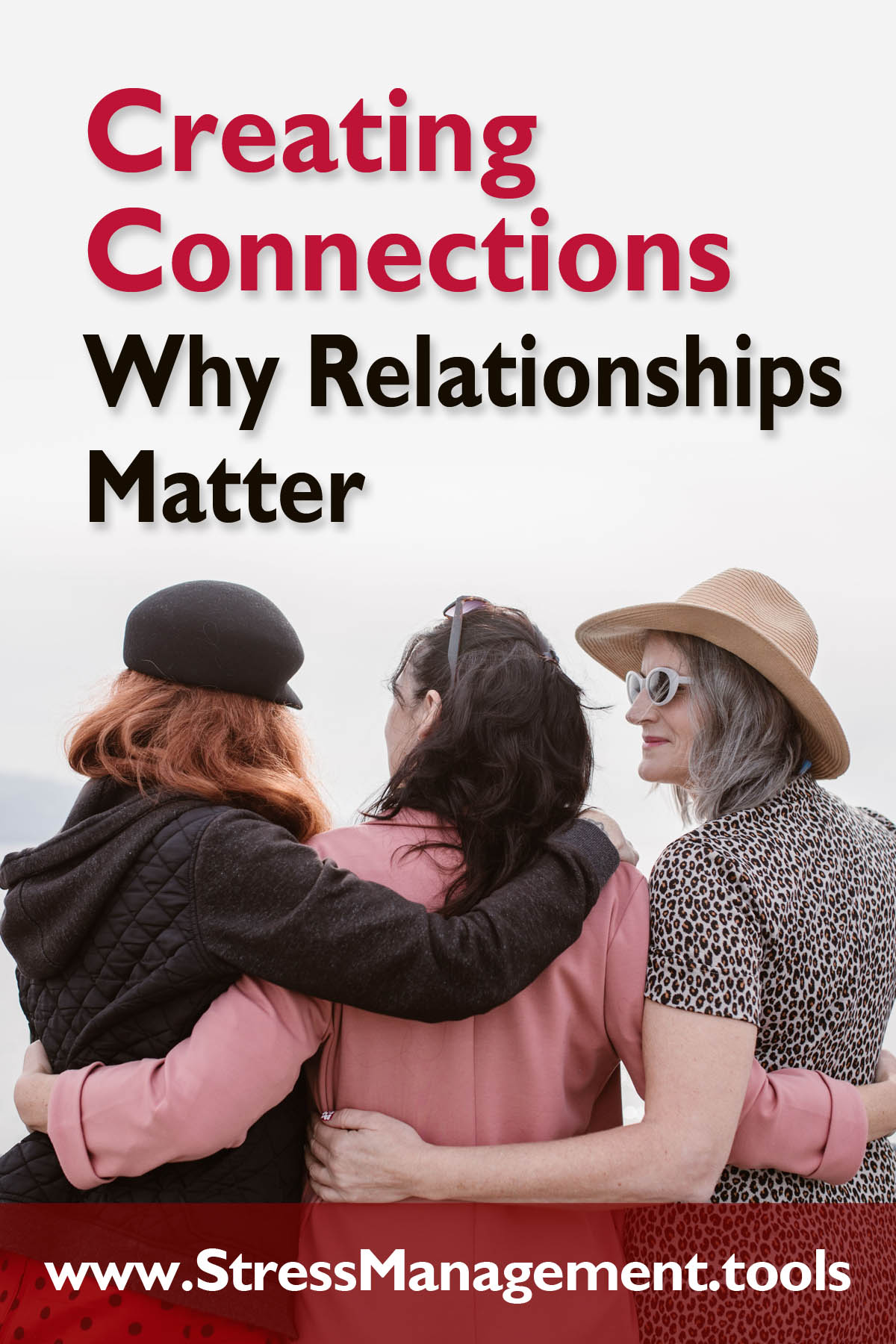
Relationships are a great antidote to selfishness. They provide opportunities for us to attend to the needs of others. Relationships also ward off that foggy self-centeredness that blinds us to ways that we can make a difference in the lives of others.
Created to Connect. When God created man He said: “It is not good for man to be alone. I will make him a helper suitable for him.”1)Genesis 2:18 Research indicates that love and positive relationships impact health and well-being. Happily married people live longer, and have fewer doctors’ visits than those who are unhitched or unhappy. These cozy couples tend to have lower blood pressure, heart failure, strokes, and better health habits than their crankier counterparts.
When couples act as a team they are better able to defray the detrimental effects of stress that can sap immune strength and shorten life. This is in part due to the release of oxytocin, a bonding hormone that is released when mother’s nurse their babies. It is also released when we experience the nurturing effect of social connectedness with other people.
Single but not Sidelined. The healing benefits of positive social ties are also available to those who are widowed, divorced, single, or living alone for whatever reason. God knew that in this broken world not everyone would experience the blessing of a long, happy marriage. “God sets the solitary in families. He raises up the needy out of affliction, and makes him families like a flock.”2)Psalm 68:6; Psalm 107:41. Social institutions such as extended family, church, and community are as important to mental and physical health as nutrition and exercise.
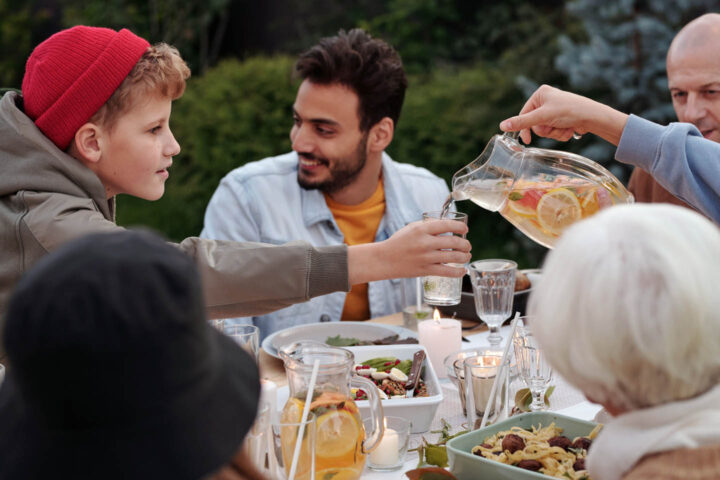
A pooled analysis of studies showed that people with positive social relationships had a whopping 50% greater likelihood of survival compared to those with poor or insufficient social relationships. Those with scant or negative social ties had a mortality rate roughly equivalent to a person who smokes 15 cigarettes a day. The health benefit of social connectedness was comparable to quitting smoking and even exceeded other life-shortening factors as obesity and physical inactivity.3)PLoS Med 2010;7(7): e1000316.
In a landmark report called “Hardwired to Connect” researchers concluded that high rates of depression, anxiety, and other serious mental, emotional, and behavioral problems among U.S. children and adolescents is largely due to a lack of connectedness. “We mean two kinds of connectedness—close connections to other people, and deep connections to moral and spiritual meaning.”4)Hardwired to Connect: The New Scientific Case for Authoritative Communities. The Commission on Children at Risk, Executive Summary. 2003.
The “How-to’s” of Hello
- Show up. It seems we are “primed” to like each other as we get used to each other’s presence, something called an “exposure effect.” Just “showing up” at social functions on a regular basis increases likeability, even when interaction has not yet occurred. So don’t shy away from that picnic or potluck—“show up” for the start of some satisfying friendships.
- Take an interest. Forming a friendship begins with the principle that “a man who has friends must himself be friendly.”5)Proverbs 18:24a Some practical social skills include smiling, taking a genuine interest in other people and remembering their name, making them feel special by being a good listener, and creating a comfortable environment for getting acquainted.
- Don’t spill your beans. Sharing preferences about music, food, or hobbies is a way to lead to deeper conversations over time about your most intimate hopes and fears. Sharing a lot of highly personal information right away is too much for many people to handle. Take time to cultivate each level of friendship carefully and slowly.
- Be yourself. One of the drawbacks of internet social sites is that participants tend to construct a “virtual” identity devoid of the nuances and non-verbal cues present in face-to-face encounters. Being open, honest, and clear about who you are and what your intentions are is better than creating a composite of yourself that lacks genuineness.

Flaws, Foibles, and Friends
- Be realistic. No single friend or loved one can meet every need, be there for you at all times, read your mind, or agree with you on everything. Keep your social circle wide enough to embrace friends with different strengths and weaknesses.
- Be accepting. Entering into a friendship means accepting a person with a set of problems and flaws and committing to grow together. A healthy relationship involves giving as well as taking—forgiveness as well as challenging each other to grow.
- Be invested. Shared experiences such as births, weddings, trips, tragedies, successes, illnesses, meals, and even everyday activities such as walking together or shopping add meaning and value to life. But they take time—even a lifetime—to grow and develop. Don’t ditch a potentially positive relationship over little obstacles that can become stepping stones to deeper commitment over time.
Call to Action
Closer than a Brother. Having connections at all levels is important and beneficial—from a few deeply caring and committed relationships to a wider circle of casual and courteous contacts. In this world failed relationships and friendships occur as well as successful ones. But there is one Friend who will never fail you. He is perfect in love, present at all times, and powerful to save—and that is Jesus. He promises to be your “Friend who sticks closer than a brother.”6)Proverbs 18:24b Spending time with Him in His Word, the Bible, will deepen that friendship and tap into the wonderful resources for your life that no other friend can give. Now that’s a Friendship worth the investment!

Stay Always Up to Date
Sign up to our newsletter and stay always informed with news and tips around your health.

Vicki is the Director of the Lifestyle Matters Health Intervention Series. As an author, speaker, teacher, and program developer, she lectures and travels worldwide sharing the lifestyle link to better mental, physical, and spiritual health. Vicki’s special area of interest is brain/body connections, forming habits that last.
References
Leave a Reply