People who spend a lot of time on social media comparing themselves to others’ lifestyles tend to expose themselves to too much tragic news and allow it to take up too much space in their minds. There are headlines about war, social violence, corruption, fraud, crime, natural disasters, terrorist attacks, and the deaths of prominent figures.
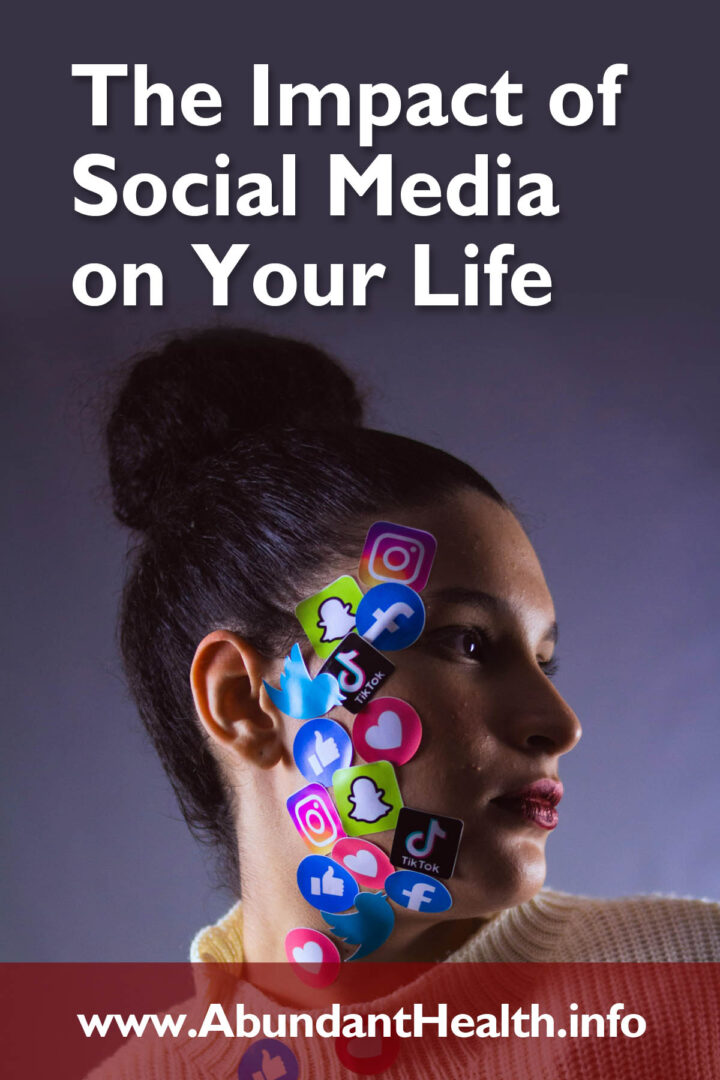
Nadra Nittle is a journalist and author from Los Angeles. She published a very interesting article on the Verywell Mind website in July 2025, discussing the connection between depression and social media. Research suggests that excessive use of social media can contribute to the onset of depressive symptoms because it can trigger negative emotions or worsen depressive symptoms that a person already has. This can happen because people who spend a lot of time on social media comparing themselves to others’ lifestyles and expose themselves too much to tragic news.1)Nittle, N. (2025, July 28). The link between social media and depression. Verywell Mind. https://www.verywellmind.com/the-link-between-social-media-and-depression-5070339
An estimated 4 billion people use social media—the most well-known platforms being Facebook, X (formerly Twitter), and Instagram—which is half of the current world population. Studies have shown that people who limit their time on social media tend to be happier than those who do no so and, therefore, spend many hours online. Note that both good and bad news—perhaps more bad than good—are posted on social media continuously. The news keeps coming, and a significant portion of it consists of lies and fake news about tragedy, social violence, and corruption. This greatly affects our mental well-being.
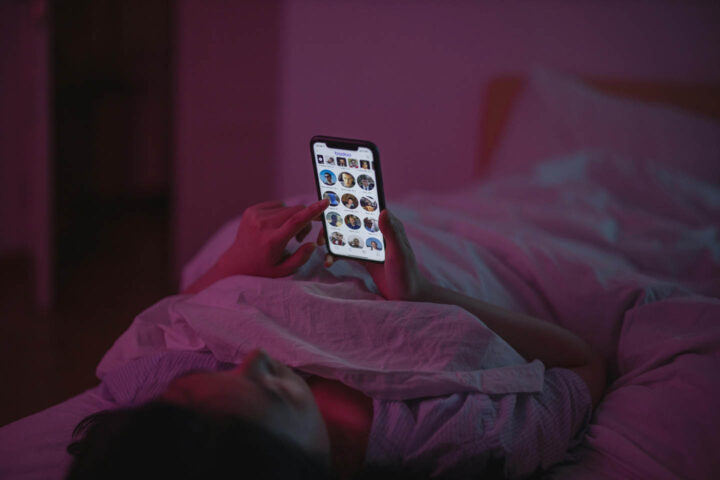
A study published in 2018 in one of the world’s most respected medical journals, The Lancet, involving 91,105 participants, showed that individuals who stay on Facebook late at night were more likely to feel depressed and unhappy. Exposure to social media at a time when we should be sleeping affects our circadian rhythm and alters the production and use of certain neurotransmitters in the brain, which can, for example, tire the brain and even contribute to anxiety and depression.2)Lyall, L. M., Wyse, C. A., Graham, N., Baillie, S. J., Cathcart, A. M., Arshad, S., Mitchell, J., Cavanagh, J., Ward, J., Strawbridge, R. J., Smith, D. J., & Anderson, J. J. (2018). Association of disrupted circadian rhythmicity with mood disorders, subjective wellbeing, and cognitive function: A cross-sectional study of 91,105 participants from the UK Biobank. The Lancet Psychiatry, 5(6), 507–514. https://doi.org/10.1016/S2215-0366(18)30139-1
Another study involving 143 students at the University of Pennsylvania found that the less time students spent on social media, the fewer symptoms of depression and loneliness they experienced.3)Hunt, M. G., Marx, R., Lipson, C., & Young, J. (2018). No more FOMO: Limiting social media decreases loneliness and depression. Journal of Social and Clinical Psychology, 37(10), 751–768. https://doi.org/10.1521/jscp.2018.37.10.751 A 2015 study was published with the title: “Facebook Use, Envy, and Depression Among College Students — Is Facebook Depressing?” This study involved 736 college students and found that Facebook users who felt envy while on the social media site were more likely to develop symptoms of depression.4)Tandoc, E. C., Ferrucci, P., & Duffy, M. (2015). Facebook use can be depressive: The mediating role of envy. Computers in Human Behavior, 43, 139–146. https://doi.org/10.1016/j.chb.2014.10.053
The journalist who wrote the article I mentioned at the beginning says that in May 2023, Surgeon General Dr. Vivek Murthy issued a warning to draw attention to the effects of social media on young people’s mental health. He noted that during crucial periods of adolescent brain development, social media use is predictive of decreased life satisfaction, as well as additional concerns regarding body image, sleep problems, and much more.
Let’s remember that depression is an emotional state characterized by a change in mood, including persistent sadness, loss of interest in activities the person once enjoyed, feelings of worthlessness and guilt, loss of hope, difficulty making decisions, a tendency toward social isolation, loss of energy, insomnia or oversleeping, and suicidal thoughts, among other symptoms. Depression can be mild, moderate, or severe. When it is mild, psychological support alone may be sufficient, without the need for medication. If it is moderate or severe, a psychiatrist may prescribe an antidepressant in addition to psychotherapy.
Physical activity helps improve depressive symptoms, and, as we’re seeing here today, limiting time on social media and prioritizing real-world connections can be beneficial for alleviating the suffering caused by depression, as well as for overall mental health. Indeed, studies show a link between reduced social media use and improved emotional well-being.
One study that clearly demonstrated this was the one I mentioned, conducted with 143 students at the University of Pennsylvania. The researchers created two groups: one with unlimited social media use and another with use limited to just 30 minutes a day (Facebook, Instagram, and Snapchat combined) for three weeks. Each study participant used their cell phone to access social media, and the researchers monitored their phone data to ensure compliance.
The group with restricted access reported lower levels of depression and loneliness than at the start of the study. Both groups reported a decrease in anxiety. Participants became more aware of how much time they were spending on social media. It is not entirely clear why participants who spent only 30 minutes a day on social media experienced less depression, but the researchers thought that an important factor may have been that these young people were spared from seeing other people’s content—success stories, pleasant trips, graduating cerimonies, happy families. If they couldn’t enjoy those things themselves, seeing such posts might make them feel sad and bad about themselves.
When people limit their use of social media, it can reduce their tendency to make unfavorable comparisons. A 2015 study at the University of Missouri found that regular Facebook users were more likely to develop depression if they felt envy on the site. Social media can also make users feel hurt, for example, when a friend doesn’t invite a classmate on an outing and that classmate sees on social media that others were invited. This can lead the person to second-guess their friendships or their own self-esteem.5)Tandoc, E. C., Ferrucci, P., & Duffy, M. (2015). Facebook use can be depressive: The mediating role of envy. Computers in Human Behavior, 43, 139–146. https://doi.org/10.1016/j.chb.2014.10.053
Social media can also help provoke jealousy, such as when a person sees an ex-boyfriend or ex-girlfriend’s page alongside another person in a romantic relationship. Limiting the time spent on social media can help prevent negative self-perception and ward off symptoms of depression. Social media has also been used by bullies as a new way to torment their victims—cyberbullying. With just one click, they can share a video mocking someone or leave negative comments. Cyberbullying can make a young person feel even more isolated if they’re already feeling depressed.
The journalist who wrote the article noted that one in five Americans gets their news from social media rather than from a newspaper or magazine. Those who use social media excessively are overexposed to negative news—war, violence, corruption, crime. This can negatively affect the mental health of individuals addicted to social media. A 2018 study in Lancet Psychiatry found that those who used Facebook before bed were 6% more likely to have major depressive disorder and rated their happiness levels 9% lower than those with better sleep hygiene—that is, those who went to sleep at appropriate times without exposure to electronic devices. The more time we spend reading bad news, the worse these dangers seem, and the more anxious we can become.6)Lyall, L. M., Wyse, C. A., Graham, N., Baillie, S. J., Cathcart, A. M., Arshad, S., Mitchell, J., Cavanagh, J., Ward, J., Strawbridge, R. J., Smith, D. J., & Anderson, J. J. (2018). Association of disrupted circadian rhythmicity with mood disorders, subjective wellbeing, and cognitive function: A cross-sectional study of 91,105 participants from the UK Biobank. The Lancet Psychiatry, 5(6), 507–514. https://doi.org/10.1016/S2215-0366(18)30139-1
But how can you use social media safely? Moderate use is the key. You can set a timer after deciding how long you’ll spend on that platform, and when the time is up, make a conscious effort to switch to another activity. Have you ever noticed how you can get so absorbed that you don’t even notice the time passing? That’s why a timer can help. You can diversify how you spend your time with activities like reading a book, watching a good film, going for a walk, exercising outdoors, cooking a healthy meal, chatting with a friend on the phone, or inviting them over for a snack. Have a chat with your family at home and go out for a walk with them.

Above all, set aside a good moment each day for your personal devotion in pursuit of spiritual growth, including reading and meditating on biblical texts, Bible study, attending services at your church, or participating in groups and philanthropic activities. May God help you use social media less and get more involved in activities that protect your mental health, help others, and enlighten your mind for spiritual growth. That is what I desire for you.

Stay Always Up to Date
Sign up to our newsletter and stay always informed with news and tips around your health.

Dr. Cesar Vasconcellos de Souza is working as a psychiatrist and international speaker. He is author of 3 books, columnist of the health magazine “Vida e Saúde” for 25 years, and has a regular program on the “Novo Tempo” TV channel.
References
| ↑1 | Nittle, N. (2025, July 28). The link between social media and depression. Verywell Mind. https://www.verywellmind.com/the-link-between-social-media-and-depression-5070339 |
|---|---|
| ↑2, ↑6 | Lyall, L. M., Wyse, C. A., Graham, N., Baillie, S. J., Cathcart, A. M., Arshad, S., Mitchell, J., Cavanagh, J., Ward, J., Strawbridge, R. J., Smith, D. J., & Anderson, J. J. (2018). Association of disrupted circadian rhythmicity with mood disorders, subjective wellbeing, and cognitive function: A cross-sectional study of 91,105 participants from the UK Biobank. The Lancet Psychiatry, 5(6), 507–514. https://doi.org/10.1016/S2215-0366(18)30139-1 |
| ↑3 | Hunt, M. G., Marx, R., Lipson, C., & Young, J. (2018). No more FOMO: Limiting social media decreases loneliness and depression. Journal of Social and Clinical Psychology, 37(10), 751–768. https://doi.org/10.1521/jscp.2018.37.10.751 |
| ↑4 | Tandoc, E. C., Ferrucci, P., & Duffy, M. (2015). Facebook use can be depressive: The mediating role of envy. Computers in Human Behavior, 43, 139–146. https://doi.org/10.1016/j.chb.2014.10.053 |
| ↑5 | Tandoc, E. C., Ferrucci, P., & Duffy, M. (2015). Facebook use can be depressive: The mediating role of envy. Computers in Human Behavior, 43, 139–146. https://doi.org/10.1016/j.chb.2014.10.053 |
Leave a Reply