Today I want to discuss the fact that body and mind always work together in health or illness. Body and brain always work together in getting sick and in recovering health. A disease called psychosomatic is one that manifests itself in the body, but which originates in the mind or has emotional factors involved. It is a disease caused or aggravated by mental factors, such as personal conflicts, stress and problems in relationships.

It’s as if the mind were saying to the body: “Oh, I can’t deal with these mental conflicts, I can’t think about them, it hurts too much, help me there, body.” It’s as if the body said: “Okay, I’ll help you.” Symptoms then appear in the body that originate from conflicts in your life. The mind begins to use defense mechanisms that keep awareness of the conflicts out of the perceptual field. The more difficult it is for that person to think about their emotional pain, the conflicts in their past or present life, or both, the more the body suffers and the more the truth of the cause is buried in the physical, moving away from consciousness. Illness and health depend on an interaction between the bio-psychic-social and spiritual.
Epidemiology studies show that there is only an association between the presence of a virus or bacteria in the patient’s body and the presence of a particular illness, but this association does not mean that a particular virus or bacteria in that body is necessarily the cause of that infection, as an isolated agent. Let’s think about the cases in which the presence of the so-called infectious agent does not produce the disease. For example, not everyone with the H. pylori bacterium develops a stomach ulcer; not everyone with the Koch bacillus will develop tuberculosis; and not everyone who acquires the new Corona virus will have complications from Covid-19.
Ellen White who authored several books on health writes the following:
It is the duty of everyone to cultivate cheerfulness instead of brooding over sorrow and troubles. Many not only make themselves wretched in this way, but they sacrifice health and happiness to a morbid imagination. There are things in their surroundings that are not agreeable, and their countenances wear a continual frown that more plainly than words expresses discontent. These depressing emotions are a great injury to them healthwise, for by hindering the process of digestion they interfere with nutrition.1)White, E. G. Mind, Character and Personality, Volume 1, p. 62,63
So you see, how intimate the mind is working together with the body. Doctors José Neto and Renato Luiz Marquet, both from the University of São Paulo, say that around 60 to 80% of the population has some somatic complaint, i.e. in the body, during any given week, without seeking medical help. When a patient, they say, goes to the doctor because of a physical symptom, in 20% to 84% of cases no organic cause is found to explain their complaint. Interesting, isn’t it?

It’s also interesting that the findings of a Harvard University professor, Dr. Herbert Benson, a clinical doctor, show similar rates. He says that between 60 and 90% of the patients who come to the outpatient clinic, have their illnesses due to physical and mental stress. According to him, these are people who have physical symptoms as a result of emotional and social problems. And yet, according to him the average could be 75%. This is in Dr. Bensons book, Timeless Healing. He explains that emotions play a much more crucial role in our physiology than most of us can understand.
The health educator Ellen White wrote more:
Great wisdom is needed by the physicians at the Institute in order to cure the body through the mind. But few realize the power that the mind has over the body. A great deal of the sickness which afflicts humanity has its origin in the mind, and can only be cured by restoring the mind to health. There are very many more than we imagine who are sick mentally.2)White, E. G. Counsels on Health, p. 349
She is in alignment with the doctors of University of São Paulo and Harvard University I mentioned regarding the prevalence of psychosomatic illnesses, when she says:
Sickness of the mind prevails everywhere. Nine tenths of the diseases from which men suffer have their foundation here.3)White, E. G. Mind, Character and Personality, Volume 1, p. 59
You can see that the Brazilian researchers state that a patient going to the doctor because of a physical symptom, in 20% to 84% of cases there is no organic cause to explain their complaint. Harvard’s clinical doctor, Dr. Benson, says that it’s an average of 75%, and Ellen White says that 90% of illnesses originate in the mind. It’s interesting that the Bible speaks of psychosomatics, centuries before scientific studies on the subject, for example, in this text:
A merry heart does good, like medicine,
But a broken spirit dries the bones.Proverbs 17:22
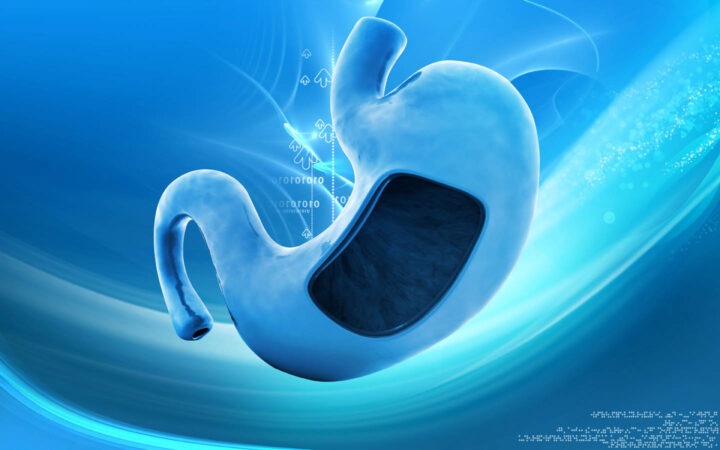
Let’s now look at some ideas on how to deal with psychosomatic illnesses. Firstly, depending on the illness the person has, they will not only need psychiatric and psychological treatment, but also treatment from other specialists. For example, if the person has ulcerative colitis or a gastric ulcer connected to a time of high emotional stress, they will also need to be assessed and monitored by a gastroenterologist.
Second point: some psychosomatic illnesses may not be curable because the psychological suffering was too long, in a very sensitive personality without many internal defense resources, and the person has a somewhat weakened ego, which has caused serious alterations in some organ. With treatment and personal commitment, they may be able to get some relief. This is what we call tertiary prevention and it also has to do with palliative care.
The third point is hypochondria. Hypochondria is a constant focus of thought and worry about one’s own state of health, which can be accompanied by symptoms that don’t fit in with any known organic disease. Hypochondria sufferers have exaggerated bodily sensitivity. Around 15% of hypochondriacs, who have illness mania, also have panic attacks, because they are very anxious and find it difficult to maintain relationships in which they have no control over the situation.
Any physiological change, such as, I don’t know, a rumbling in the stomach, a faster heartbeat or a sudden dry mouth, is perceived and interpreted by hypochondriacs as something very dangerous. And since they are controlling and very pessimistic people, they think they are at risk of death or could have serious consequences, just because their heart has accelerated a little, or their stomach has rumbled, or their mouth has become dry. The way forward is to reduce anxiety, look firmly at the truth that your mind has a tendency to overvalue small bodily signs or symptoms and fight to prevent tragic thoughts from continuing to disturb.
Physical symptoms that have many psychological components as their cause mean that unpleasant feelings may have been swept under the carpet of consciousness. This means that mental conflicts, which are the real causes of physical suffering, need to be addressed. Many people who don’t feel loved can often become sick in an attempt to attract the attention of a family member. Think about it.

Stay Always Up to Date
Sign up to our newsletter and stay always informed with news and tips around your health.
Dr. Cesar Vasconcellos de Souza is working as a psychiatrist and international speaker. He is author of 3 books, columnist of the health magazine “Vida e Saúde” for 25 years, and has a regular program on the “Novo Tempo” TV channel.
References
Leave a Reply