As a child grows up in their home, even in families where there are no serious conflicts, they need to use psychological defense mechanisms to deal with inevitable frustrations. Just as our immune system was created by God to protect our bodies from invaders such as viruses or bacteria that cause disease, we also have these psychological mechanisms in our minds to help us, if possible, distance ourselves from unpleasant attitudes, feelings, thoughts, words, and beliefs.
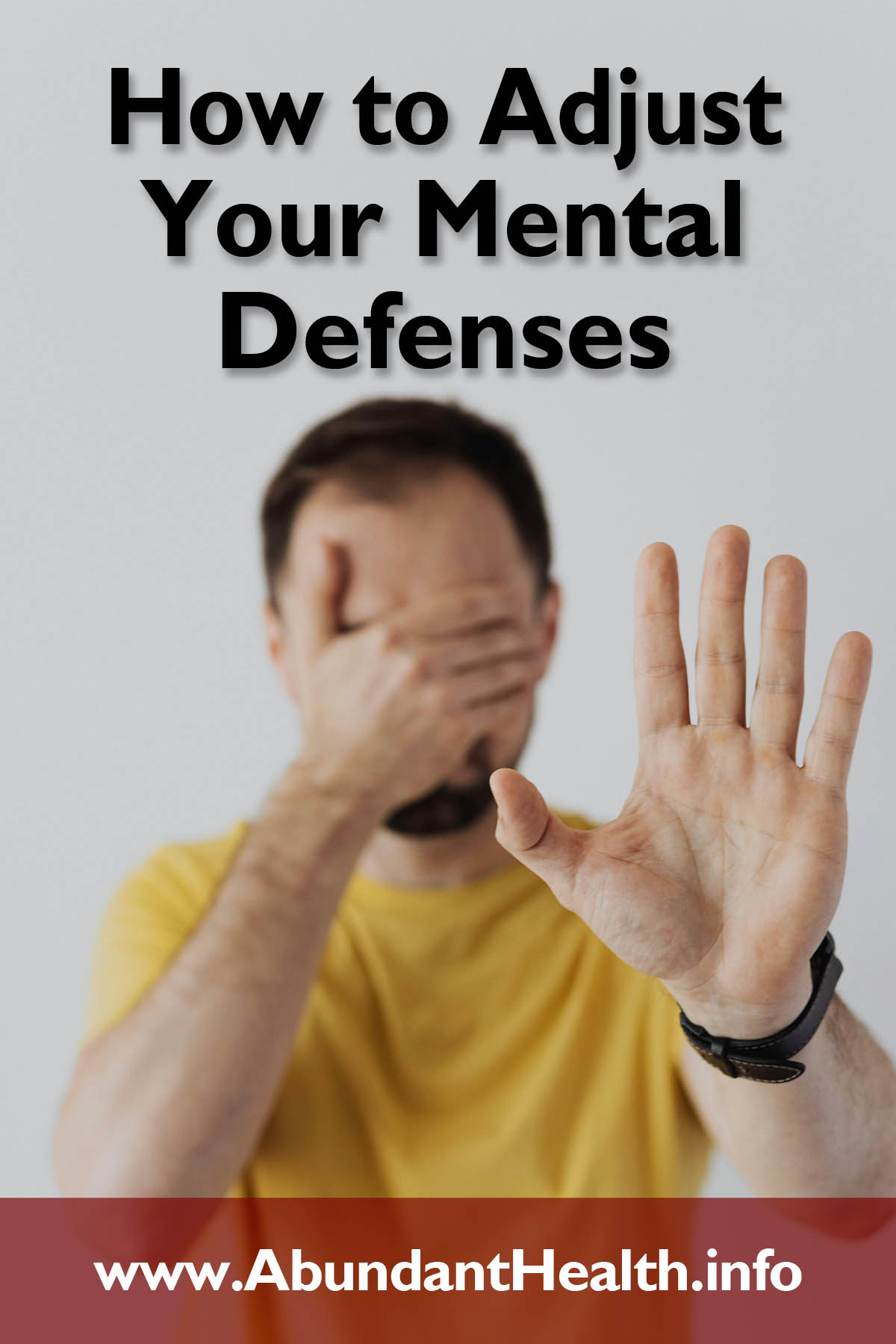
Psychological defense mechanisms come into play unconsciously. For example, an individual addicted to a substance—whether alcohol, illegal drugs, or another substance—may spend many years saying that they have no problem with drugs. This is not a lie consciously used by them, but rather a psychological mechanism called denial.
For various reasons, it is difficult for this individual to admit that they have no control over their use of substances, and so their mind creates this stance of denial. Phrases they may use while in denial of their problem include:
- “Oh, I’ll stop drinking whenever I want.”
- “Oh, I only drink a little bit.”
- “Oh, I only use drugs on weekends.”
Meanwhile, the truth is that he cannot stop drinking on his own, consumes alcohol excessively, and frequently uses drugs.
Still in this example of denial: when the individual admits that he has lost control over his substance use, when he recognizes that he cannot stop this addiction without help, he takes the first step toward recovery. This is because he is no longer using denial. In this way, the truth appears in his mind, and that is when he can seek appropriate help.
When we experience conflicts all the way from childhood to adulthood, our minds resort to mental defenses to keep us grounded in reality and functioning as people. A child, for example, may feel very insecure and overly fearful, and their mind creates a defense to deal with this emotional discomfort, which can be, for example, school phobia.
A phobia is an excessive fear, and it serves as a defense against what frightens the person. If that person has conflicts that are difficult to resolve, their mind may create a phobia because, with a phobia, they can still function. For example: if the phobia is of using an elevator, they can use the stairs. But in this case, the phobia is an exaggerated, often irrational fear because the individual knows that this type of excessive fear makes no sense, yet they still suffer from it.
The most important thing is to understand that phobia, which is an emotional defense mechanism, reveals that there are conflicts in the individual’s unconscious mind that may not yet be clear to them.

Indeed, regardless of their educational background, someone might say: “I don’t know why I feel this exaggerated fear.”
The cure for this requires becoming aware of the conflicts that lie beneath the surface of consciousness. This can be painful, because it hurts to think about what hurts. That is why we avoid thinking about what hurts and unconsciously use a mechanism to escape from experiencing that pain. We do this until we are ready to face the truth, which will produce the chance for maturation and resolution of the symptoms.
So, at a certain point in life, we may need to use a particular defense mechanism. But with the passing of time and the decision to seek resolution of the emotional suffering that lies beneath the surface of our conscious thoughts, it is possible to abandon the mechanism that once served us but now hinders us.
What once helped us deal with painful situations can now be a barrier to our maturity and inner strength.
Let me give you an example to illustrate this: let’s say you broke your leg in an accident and had to use a support, a walker, or crutches for some time while you couldn’t fully put weight on your broken leg. The crutches were necessary. But if, when the doctor discharged you from using those crutches because your leg had healed, you decided to continue using them, they would be a hindrance to your walking rather than an aid. What was necessary before is no longer an advantage: it would become a disadvantage.

The same is true of the psychological defenses we use and also of character flaws. As we are enlightened by God and begin to see and admit that we have this or that character flaw or defense that is now dysfunctional, we have the chance to change.
It makes sense what Jesus said when he spoke these words:
And you shall know the truth, and the truth shall make you free.
John 8:32
So, the question is: what truth do you need to know about what is holding you back, so that you can be free from your symptom?
The answer lies within your mind. On the one hand, it is important not to settle for our defenses and character flaws and to strive to improve; on the other hand, it is also important to exercise patience with ourselves, instead of condemning and disparaging ourselves when we notice mistakes in our behavior, accepting the pace at which we are able to change them.
Someone said that sometimes we need to accept ourselves with our flaws and everything else before those flaws can be removed. Accept as Jesus accepts us, even though we are sinners.
Accepting ourselves, which helps us change, means stopping denying that we have a problem in our behavior. It means stopping blaming others for it and asking God for the courage to face ourselves and acknowledge that we have a problem, then choosing to do something to improve.
Defenses we use in our relationships can be modified or adjusted so that they no longer hinder our life in the family, at work, or in the community. Verbally aggressive people can learn to become gentle when they are willing to take a look at their nervous behavior and accept that it is something of their own, regardless of how other people treat them.

Only the person themselves can change themselves. Only they can admit to having personality or character defects, and begin to think that it would be better to fight against this, to do their part in improving the quality of their relationships. Blaming others to justify your bad behavior is useless, because at least part of the truth is related to the fact that you still have psychological difficulties, which may include: authoritarianism, passivity, lying, pretending, nervousness, irritability, among other behavioral problems.
If you do your best to change and mature in those areas of your personality that are still immature, your quality of life will improve, regardless of whether others change or not.
I once read the following quote:
Sometimes blaming others is just an excuse to keep myself busy so I don’t have to feel the embarrassment of my own impotence.
Bert Hellinger.
What does this mean? If you live with someone who frustrates you with their behavior, instead of dealing with your feelings of frustration and accepting the situation, you may end up blaming the other person, because this avoids thinking about the frustration and facing your feelings of helplessness. Since neither you nor any of us can change another person, only they can change themselves, if they want to.
This means that we need to expose ourselves to the truth, so that it can break down the defenses we no longer need to use in our behavior. This means thinking about how we function; it means deciding to reflect in order to understand what happened in our childhood and youth that led us to adopt this part of our behavior that we have today, but which may no longer be appropriate to continue with.
To do this, we need to be honest with ourselves: stop blaming others and understand that we became this way through choices, perhaps many of them unconscious, that we made throughout our lives. We become what causes us the least pain.
But if you have emotional pain that has been repressed and you have adopted bad attitudes that cause you suffering, even if you are used to them, this pain needs to come to your consciousness in order to be worked through. That way, you will have a chance to change.
We cannot change what we do not perceive in ourselves, can we?
So ask God, in sincere and frequent prayer, to help you perceive and become aware of the behaviors you have that harm your inner peace and your relationships with others. Ask Him for light on this and strength to change.
No one can do this for you: not a doctor, not a psychologist, not medication. But the truth shall set you free! Are you ready to take this step?

Stay Always Up to Date
Sign up to our newsletter and stay always informed with news and tips around your health.
Dr. Cesar Vasconcellos de Souza is working as a psychiatrist and international speaker. He is author of 3 books, columnist of the health magazine “Vida e Saúde” for 25 years, and has a regular program on the “Novo Tempo” TV channel.
Leave a Reply