Because many people do not like anything bitter, agricultural science has bred out many a bitter substance from wild plants. However, sweet and mild foods encourage us to eat more than we should, beyond a healthy appetite. Why do so many plants produce bitter substances? Can we humans take advantage of them?
Many a herb that grows by the wayside or in the herb patch tastes bitter. But only those medicinal plants whose active principle can be traced back solely to the presence of so-called bitter substances are called bitter substance drugs. As a drug we don´t name here an addictive narcotic, but a herbal substance that acts as a medicine. In the cultivated plants, the percentage of bitter substances is generally much lower than in the wild forms due to selective breeding to refine the taste.
Amara
Bitter substance drugs are called amara in phytotherapy. Now, bitter substances are not a uniform group. In some cases, we don’t even know their structure. However, it is known that terpenoids, phenols, alkaloids and purines can taste bitter. Certain types of sugar, such as β-mannose and gentiobiose, also taste bitter. Certain forms of amino acids, which are the smallest components of protein, can produce a bitter taste. Epsom salt (magnesium sulfate) is well known for its bitter taste from the group of inorganic compounds. It occurs naturally in mineral water and has a stimulating effect on the production of saliva and gastric juice, stimulates intestinal movements and pancreatic secretion and thus improves general well-being.
Depending on which other chemical compounds contribute to the formation of the bitter taste, the bitter substances are divided into three large groups.
Amara tonica
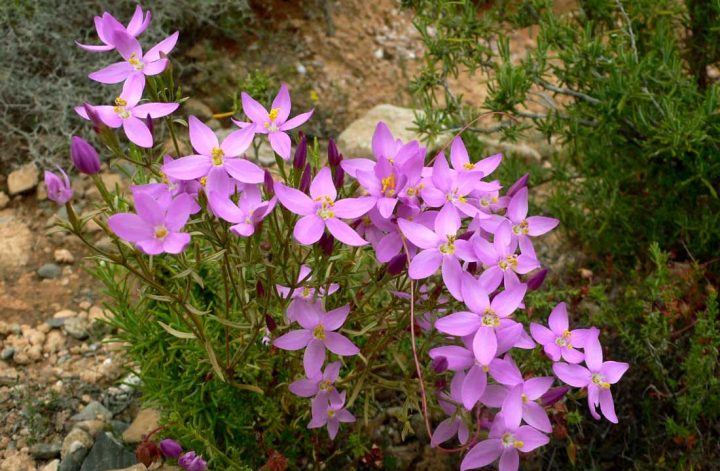
Medicinal herbs that belong to these pure bitter substance drugs cause an intensive stimulation of gastric juice and bile secretion. It therefore makes sense to take bitter substances as an “aperitif” before eating. Bitter substance drugs are often prescribed for people who lack appetite and for better digestion. They also have a toning, strengthening effect. They help in cases of weakness in convalescents, in anemic, nervous or simply exhausted people. Furthermore they have a strengthening effect on the immune system. Typical representatives of such medicinal plants are centaury or the yellow gentian.
Bitter drugs are easily soluble in the cold water extract. They are prepared cold and left to steep for a few hours, stirring occasionally. Then it is strained and heated to drinking temperature. The tea should be drunk unsweetened before the meal. A proverb says: “A medicine must taste bitter, otherwise it has no effect.”
Centaury is protected in some countries. Pharmacies obtain the drug from countries where it is not protected. The bitter substances are found primarily in the flowers and stems. The drug is effective in case of appetite loss, insufficient gastric juice secretion, and stomach cramps. In the past, it was also used to treat fevers. You get used to the bitter tea over time. If you can’t adapt to it, you can mix it 1:1 with peppermint.
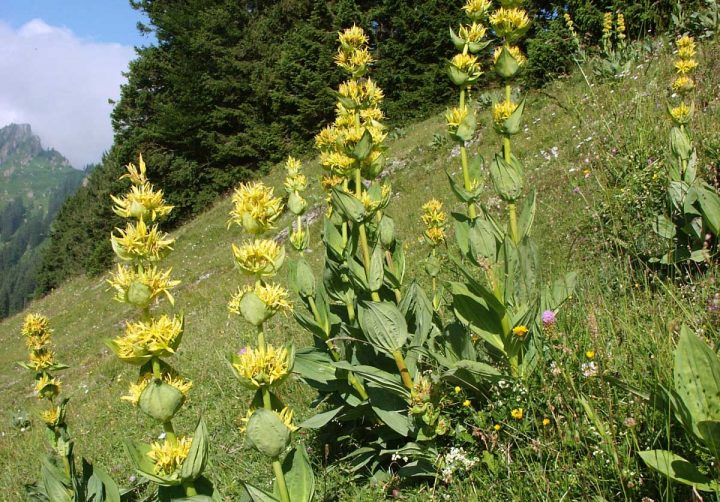
The yellow gentian (Gentiana lutea) is protected as well. It used to be an annoying weed for the alpine farmers. Because it was so popular for aperitifs, it was almost exterminated and had to be protected. The bitter substances are in the roots. The active ingredient with the highest bitterness is called Amarogentin. The substance still tastes bitter in a dilution of 1:20,000. In addition to stimulating the appetite, the most common areas of application for gentian are stomach, intestine, liver and gallbladder problems. However, gentian should not be used if the stomach is overly acidic and sensitive to irritation.
Amara aromatica
In addition to the bitter substances, this group also contains larger amounts of aromatic oils. Therefore, additional benefits are added by the essential oils. They have an anti-inflammatory, diuretic, expectorant (coughing up), antispasmodic and tonic effect.
Because essential oils are highly volatile, the infusion is a good choice when preparing them. Pour boiling water over the drug and let it steep for about 10-15 minutes. It makes often sense to take it after a meal.
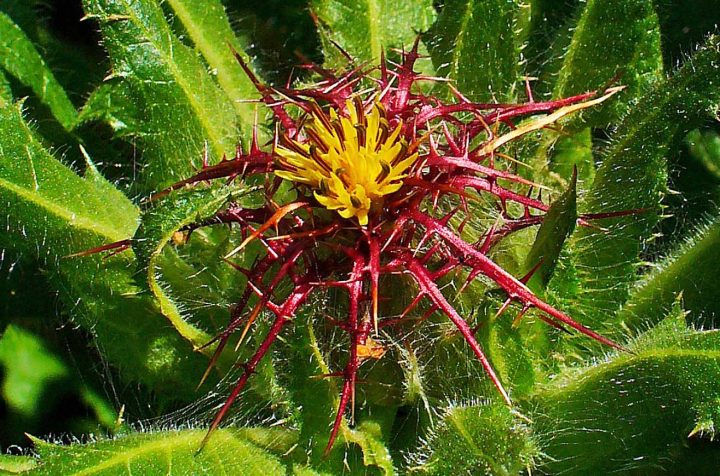
The aromatic bitter substance drugs include yarrow, wormwood, blessed thistle (Cnicus benedictus) or angelica.
The blessed thistle (Cnicus benedictus) got its name from the Latin benedictus = blessed. This medicinal herb was used in the past for many diseases. Today we know that the bitter substance cnicin stimulates the glands in the gastrointestinal tract responsible for producing digestive juices. Liver and pancreas function are also enhanced. Furthermore the thistle has mucilage, producing a healing effect on irritations of the mucous membranes. Poorly healing wounds can be cleaned with a decoction of the herb, as cnicin is effective against gram-negative germs and gram-positive bacteria. It can be used to take sitz baths for hemorrhoids.
Yarrow (Achilea millefolium) is also used for gastrointestinal and gallbladder complaints and to stimulate the appetite. Because of the essential oil azulene, the herb also has a disinfecting, anti-inflammatory and antispasmodic effect. In girls and women, the tea works very well for painful menstrual bleeding and tightness in the breasts before the period. The high potassium content has a diuretic effect.
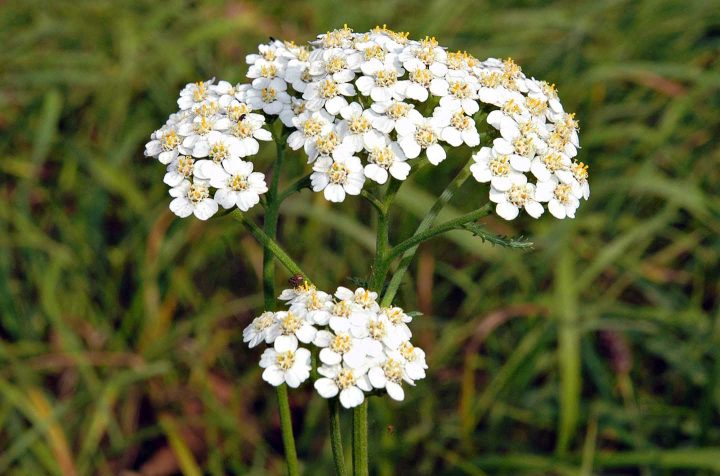
The young yarrow leaves can be finely chopped and used as a spice for salads, soups, stews and soft cheese preparations.
Amara acria
Bitter substances that also contain pungent substances are appropriately called amara acria. Such substances are rarely found in native medicinal plants. They are found in ginger, galangal, pepper and bell pepper. Such drugs also improve circulatory function. We now know that digestion puts a much greater strain on the circulatory system than was previously generally assumed. Therefore, it really makes sense not to eat dishes that are very difficult to digest if you already have circulatory problems.
Ginger (Zingiber officinalis) is traded primarily as a spice. The pungent substances gingerol and shogaol stimulate digestive juices and appetite. Recently, ginger powder has also been used to treat travel sickness. However, it should not be used for nausea during pregnancy. Ginger also has a warming effect. This is why it is a popular winter tea.
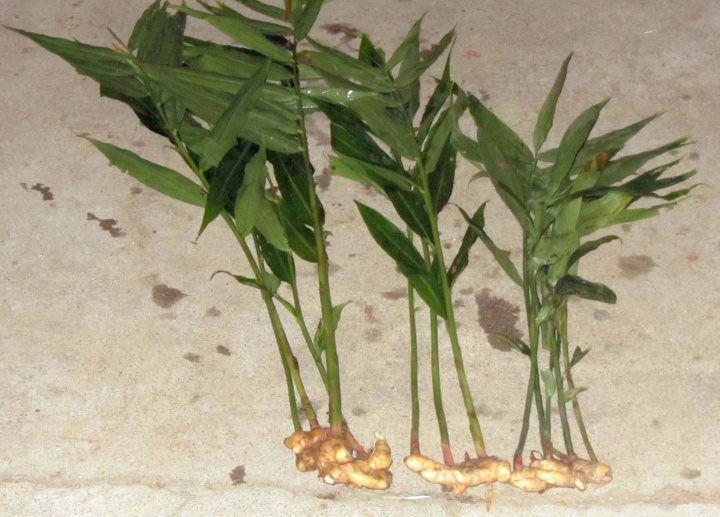
Galangal (Alpinia officinarum) is very similar to ginger in appearance and active ingredients. He is native to China.
The pungent alkaloid piperidine is found in the shell of peppercorns. Therefore, the black, unpeeled pepper seasons more than the peeled white. In India, pepper is known to aid in digestion and also to kill intestinal parasites. In the usual doses there, however, it can irritate the mucous membranes of the urinary and digestive tract, so it also has pretty significant side effects.
Conclusion
The little foray through various medicinal and spice plants has shown us that bitter substances do have a healing and health-promoting effect. We should therefore use them more often. Especially in spring and summer, when we find many herbs, often as weeds along the way or in the vegetable patch, we should consciously include them in our diet or, if necessary, make tea cures with them. “Our meadows and forests are the best pharmacies!” Paracelsus said already back in the 16th century.
The plants actually produce the bitter substances for their own protection. They do not want to be eaten by animals and insects, that’s why they are producing the bitter taste. As we have seen, the same bitter substances also serve us humans for our healing. Isn’t that a marvelous idea of our Creator God? He thought about the protection of our plants and the same time the protective substances for our health, and for the animals there are many other more salubrious herbs left.

Stay Always Up to Date
Sign up to our newsletter and stay always informed with news and tips around your health.

Esther Neumann studied Nutrition at the University of Vienna. Since then she served as an author for the health magazine “Leben und Gesundheit” and conducted health lectures in various locations of Austria.
Leave a Reply