Summer is berry time—strawberries, blackberries, raspberries and blueberries. Berries are naturally high in soluble fiber that binds cholesterol and promotes its excretion from the body. It also slows the emptying of glucose into the blood from the small intestines, thereby steadying the blood glucose curves, avoiding sudden highs and lows.
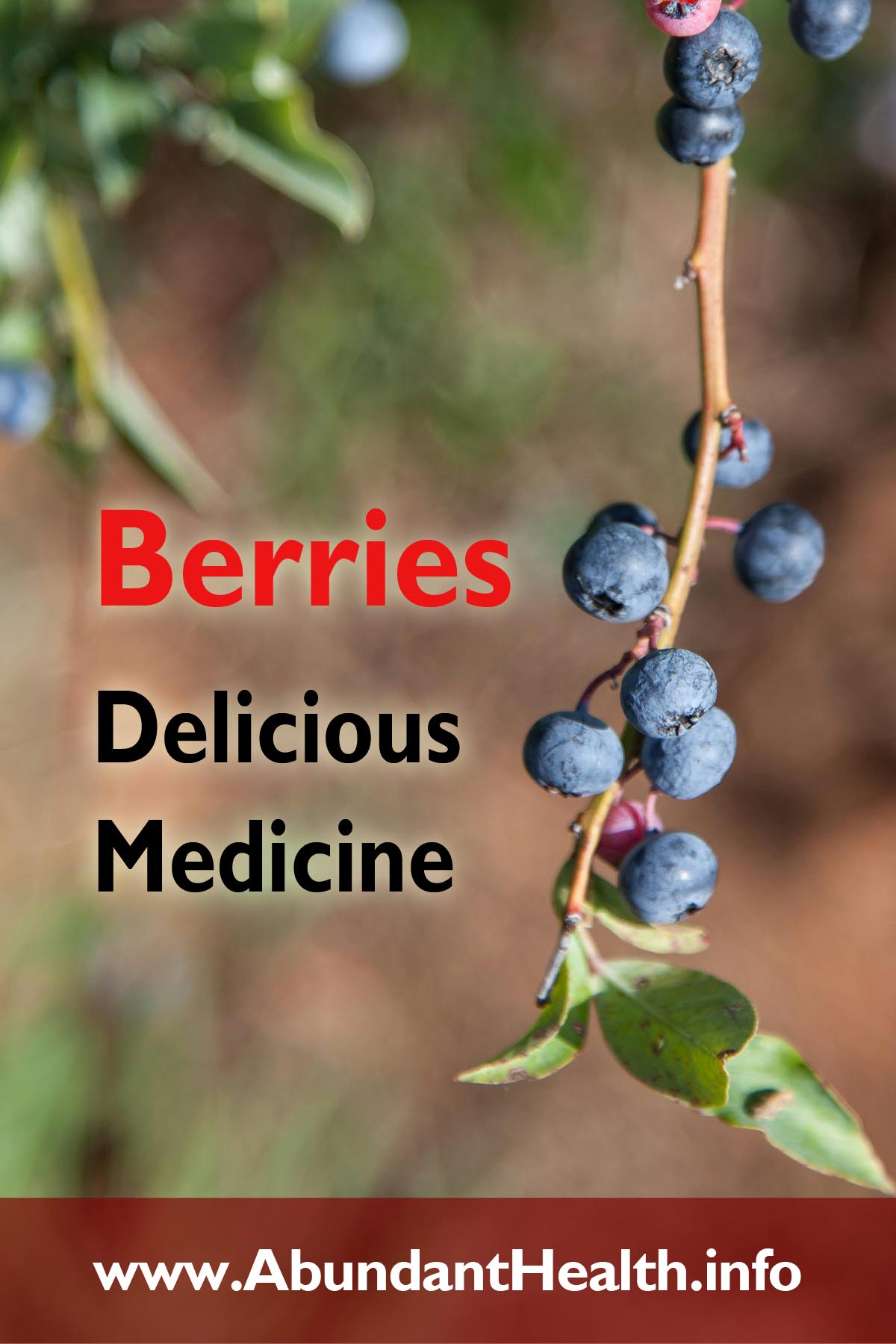
Berries also provide protection against atherosclerosis in three other key ways—their colorful pigments called anthocyanins:
- reduce cholesterol synthesis in the body;
- protect against LDL oxidation. This is important because oxidized LDL cholesterol kills the smooth muscle cells of the arteries, promoting atherosclerosis. Oxidized cholesterol is also a carcinogen, a cancer-producing agent;
- inhibit undesirable platelet aggregation. When platelets stick together, they tend to become inflamed and initiate clotting. This mechanism, which is superb when we are bleeding, becomes dangerous when we are not. At least 80% of heart attacks are caused when clots further obliterate clogged vessels. Undesirable clotting also contributes to many strokes.
Anthocyanins are also useful for diabetic people. At least a dozen blood-glucose-lowering anthocyanins have been identified.
Frequent consumption of fresh or frozen berries increases the antioxidant capacity of the blood. Berries, a good source of vitamin C, are among the foods richest in other antioxidants. Antioxidants destroy free radicals, which are unstable molecules that damage cell membranes and contribute to chronic degenerative diseases like arthritis, diabetes, high blood pressure, atherosclerosis, and autoimmune diseases. One special molecular component of anthocyanins, C3G, protects the liver from oxidative stress. The liver, in detoxifying harmful substances, generates a tremendous amount of free radicals that in turn can damage the liver. C3G helps to protect the liver from these free radicals.1)Tsuda, T. et.al. The role of anthocyanins as an antioxidant under oxidative stress in rats. Biofactors, 13(1-4):133-9, 2000, abs.
Berries inhibit the growth of certain germs called gram-negative bacteria. Raspberry and strawberry extract strongly inhibit the growth of Salmonella, that causes acute diarrhea and dehydration.2)Puupponen-Pimia, R. et.al. Antimicrobial properties of phenolic compounds from berries. J Appl Micribiol, 90(4):494-507, 2001, abs. Blueberries and cranberries, for example, contain substances that help prevent E. coli bacteria from adhering to the urinary bladder wall and thus reduce the risk of urinary infection from that organism.3)Foo, L.Y. et al. A-Type proanthocyanidin trimers from cranberry that inhibit adherence of uropathogenic P-fimbriated Excherichia coli. J Tant Rod, 63(9):1225-8, 2000, abs. In unsweetened cranberry juice there is a high-molecular-weight ingredient that reverses the aggregation of gram-negative bacteria that are frequently involved in periodontal diseases, and thus has the potential for control of gingival and periodontal disease. Sweetened cranberry juice does not have this effect, and sugar worsens dental plaque. Future studies are needed to isolate this beneficial ingredient.4)Weiss, E.I., et al., Inhibiting interspecies coaggregation of plaque bacteria with a cranberry juice constituent [published erratam appear in J Am Dent Assoc, 130(1):36, 1999; 130(3):332, 1999]. J Am Dent Assoc, 129(12):1719-23, 1998, abs.
Blueberries
Blueberries are rich in antioxidants. They possess properties that protect the red blood cells from free radicals. Since plump little blueberries stimulate gastric mucus production, they provide an excellent natural remedy to those afflicted with gastritis or gastric ulcer. Animal studies show that whether a stomach ulcer is caused by stress, alcohol, non-inflammatory drugs, or vinegar, a special anthocyanin found in blueberries and bilberries, exerts anti-ulcer effects by increasing gastric mucus production. The mucus helps to protect the stomach from hydrochloric acid and pepsin, the protein-digesting enzyme produced by the stomach wall itself. This beneficial anthocyanin also protects from duodenal ulcers.5)Magistretti, M.J., et al., Antiulcer activity of an anthocyanidin from Vaccinium myrtillus. Arzneimittelforschung, 38(5):686-90, 1988, abs.
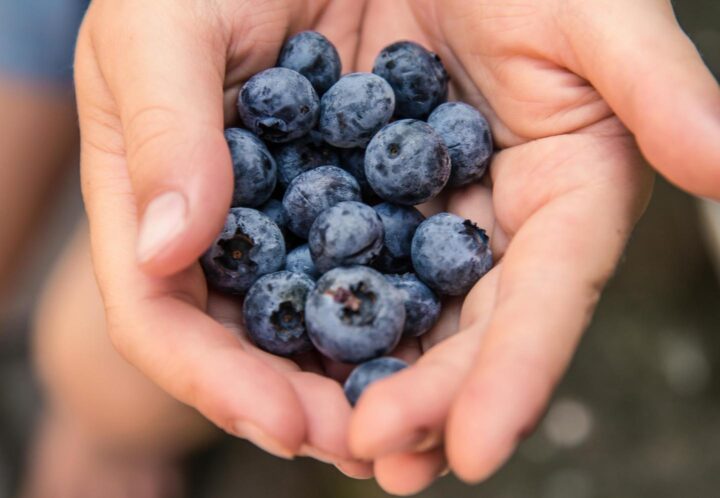
Blueberries are especially helpful in diabetes. In diabetic animals they reduced blood glucose levels and triglycerides or blood fats. This held true even for rodents whose triglycerides were elevated by either genetics or by alcohol. Blueberries may be useful for those individuals whose body has impaired mechanisms for removing triglycerides.6)Cignarella, A., et al., Novel lipid-lowering properties of Vaccinium myrtillus L. leaves, a traditional antidiabetic treatment, in several models of rat dyslipidemia: a comparison with ciprofibrate. Thromb Rs, 84(5):311-22, 1996, abs.
Any type of berry is a good source of quercetin. This valuable phytochemical is quite useful for diabetic people. Quercetin is a strong inhibitor of the enzyme aldose-reductase, the enzyme that converts ordinary glucose into another sugar, sorbitol.7)Head, K.A., Natural therapies for ocular disorders, part two: cataracts and glaucoma. Altern Med Rev, 6(2):141-66, 2001, abs. As sorbitol accumulates, it damages the nerves, damages the retina in the eye, and contributes to cataracts (clouding of the lenses). Blueberries, like cherries, are useful for gouty arthritis, as they reduce uric acid levels.
Some studies show that blueberry extract helps to slow down development of visual loss with aging. Animal studies demonstrate that blueberries reverse age-related decline in the cerebellum (area of the brain concerned with balance and equilibrium) and improve motor learning in older animals. In other words, they help old rats’ muscles and nerves to adapt quickly to environmental changes. Strawberries, like blueberries, seem to reverse age-related decline in the cerebellum of rodents and improve motor learning in old rats.8)Bickford, P.C., et al., Antioxidant-rich diets improve cerebellar physiology and motor learning in aged rats. Brain Res, 866(1-2):211-7, 2000, abs.
Bilberry
The phytochemicals in bilberry, a relative of blueberries that has many excellent properties, strengthen and increase the production of collagen, the glue that holds the connective tissues like ligaments and tendons together. Bilberry increases the tissue level of vitamin C. Bilberry strengthens our smallest blood vessels, the capillaries, and reduces their fragility and permeability–thus improving circulation of the blood through them. By decreasing its capillary permeability, the brain is better protected from toxic substances entering its blood-brain barrier veins. Bilberry improves the elasticity (stretchability) of little arterioles (little arteries) and capillaries.9)Beruglia, S., et al., Effect of Vaccinium myrtillus anthocyanosides on ischaemia reperfusion injury in hamster cheek pouch microcirculation. Pharmacol Res, 31(3-4):183-7, 1995, abs.
Colantuoni A., et al., Effects of Vaccinium Myrtillus anthocyanosides on arterial vasomotion. Arzneimittelforschung, 41(9):905-9, 1991, abs.
This means the capillaries do not break as easily, and accommodate red blood cells better without deforming them. Bilberry also improves the flexibility of the red blood cells, as they squeeze through capillary walls to deliver oxygen.
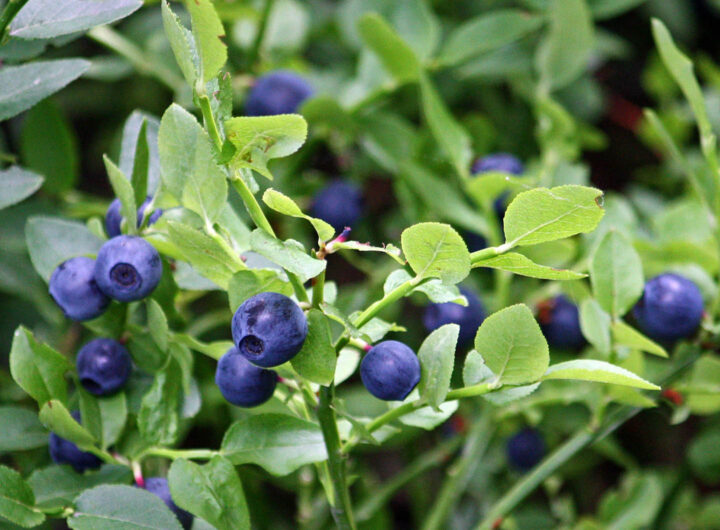

Bilberry improves delivery of oxygen and nutrients to the cells of the body in various ways. European clinical studies also demonstrate that bilberry provides significant relief for varicose veins and hemorrhoids.10)McCaleb, R. S., et al., The Encyclopedia of Popular Herbs. Prima Health, Roseville, CA, 2000, pp. 68-75.
Because bilberry exerts mild anti-clotting activity, large quantities should probably be avoided in those individuals who have a bleeding problem or are taking anticoagulants.
Bilberry also has potential benefit for the eyes. A small study conducted on air-traffic controllers showed that bilberry extract improves night vision and adaptation. One randomized, double-blind, placebo-controlled study of 50 people showed that bilberry extract and vitamin E prevented progression of mild senile cortical cataracts in 97% of individuals.11)McCaleb, R. S., et al., The Encyclopedia of Popular Herbs. Prima Health, Roseville, CA, 2000, pp. 68-75.
This berry is useful to the eye in other ways as well. Consider the vital function of the retina. Both diabetes and hypertension damage the retina, which contains cone receptors for color and detailed vision, and rods for dim vision. In a study of 40 individuals with retinal abnormalities, 69% of those taking 160 mg of bilberry twice a day were improved, in contrast with those of the placebo group, who did not show any benefit at all.12)McCaleb, R. S., et al., The Encyclopedia of Popular Herbs. Prima Health, Roseville, CA, 2000, pp. 68-75.
Preliminary studies indicate that concentrates from both blueberry and bilberry plants afford some protection against macular degeneration, (the leading cause of blindness in the US. after age 65) glaucoma, and cataracts. More definitive studies on a larger human scale are needed to be sure.13)Robbers, J.E., and Tyler, V.E., Tyler’s Herbs of Choice. The Haworth Herbal Press, Binghampton, NY, 1999, pp. 64, 65.
Low-bush blueberries, bilberries, cranberries and loganberries contain cancer-fighting compounds that help the liver to remove and destroy toxic agents.14)Bomser, J., et al., In vitro anticancer activity of fruit extracts from Vaccinium species. Planta Med, 62(3):212-6, 1996, abs.
Bilberries also contain flavonoids and anthocyanosides that prevent the production and release of pro-inflammatory chemicals.
If I had diabetes, I would certainly take bilberry. Bilberry not only reduces high blood sugar, but reduces serum cholesterol and triglycerides as well.15)Pizzorno, J.E., and Murray, M.T., Textbook of Natural Medicine, Vol. 2. Churchill Livingstone, 1999, p.994.
These blood lipids are usually elevated in diabetes and contribute to atherosclerosis. Diabetic people’s risk of coronary artery disease is increased 2 to 12 times, depending on how poorly their glucose and blood fats are controlled. The anthocyanosides inhibit accumulation of sorbitol which damages the autonomic and peripheral nerves in diabetes. Studies show that the anthocyanosides found in bilberry reduce deposition of calcium and fat in rabbits that have untreated atherosclerosis in the aorta, the largest blood vessel leading from the heart.16)Stoner, G.D., et al., Isothiocyanates and freeze-dried strawberries as inhibitors of esophageal cancer. Toxicol Sci, 52(2 Suppl):95-100, 1999, abs. These blood lipids are usually elevated in diabetes and contribute to heart disease.
Strawberries, blackberries and raspberries are rich in ellagic acid, a powerful antioxidant and also a compound that protects DNA from cancer-producing compounds. Strawberries help fight cancer in other ways, too. When certain species of rats are given the carcinogen NMBA, they develop cancer of the esophagus. But if the rats are given NMBA supplemented with a freeze-dried strawberry preparation, the strawberry extract effectively inhibits this type of esophageal cancer.17)Stoner, G.D., et al., Isothiocyanates and freeze-dried strawberries as inhibitors of esophageal cancer. Toxicol Sci, 52(2 Suppl):95-100, 1999, abs.
The leaves of the berry plants should not be overlooked. Blackberry, red raspberry, and blueberry leaf teas are useful for treating diarrhea. Red raspberry is a traditional remedy for menstrual cramps.
Cautions
- Eat fresh or frozen berries, because excessive cooking and exposure to air, as when the skins are broken, decreases anthocyanins and ellagic acid.
- Cranberry extract tablets increase oxalate excretion and the risk of kidney stones from oxalate in susceptible individuals.18)Terris, M.K., et al., Dietary supplementation with cranberry concentrate tablets may increase the risk of nephrolithiasis. Urology, 57(1):26-9, 2001, abs.
- Berries are susceptible to mold, so refrigerate, and wash them carefully, preferably just before using/serving.
- Whole berries are better than juice, since there is a negligible amount of dietary fiber in juice. Drinking excessive amounts of fruit juice will elevate triglycerides.
When God created these delicious fruits, there was no sin, no sickness in this world. it seems to me that a loving God placed healing properties in such delicious capsules—just in case!

Stay Always Up to Date
Sign up to our newsletter and stay always informed with news and tips around your health.
This article was published originally in the Journal of Health and Healing, a publication of Wildwood Institute.

Elizabeth Hall has taught and researched health topics for more than 35 years at Wildwood Lifestyle Center and Hospital at Wildwood, GA.
References
| ↑1 | Tsuda, T. et.al. The role of anthocyanins as an antioxidant under oxidative stress in rats. Biofactors, 13(1-4):133-9, 2000, abs. |
|---|---|
| ↑2 | Puupponen-Pimia, R. et.al. Antimicrobial properties of phenolic compounds from berries. J Appl Micribiol, 90(4):494-507, 2001, abs. |
| ↑3 | Foo, L.Y. et al. A-Type proanthocyanidin trimers from cranberry that inhibit adherence of uropathogenic P-fimbriated Excherichia coli. J Tant Rod, 63(9):1225-8, 2000, abs. |
| ↑4 | Weiss, E.I., et al., Inhibiting interspecies coaggregation of plaque bacteria with a cranberry juice constituent [published erratam appear in J Am Dent Assoc, 130(1):36, 1999; 130(3):332, 1999]. J Am Dent Assoc, 129(12):1719-23, 1998, abs. |
| ↑5 | Magistretti, M.J., et al., Antiulcer activity of an anthocyanidin from Vaccinium myrtillus. Arzneimittelforschung, 38(5):686-90, 1988, abs. |
| ↑6 | Cignarella, A., et al., Novel lipid-lowering properties of Vaccinium myrtillus L. leaves, a traditional antidiabetic treatment, in several models of rat dyslipidemia: a comparison with ciprofibrate. Thromb Rs, 84(5):311-22, 1996, abs. |
| ↑7 | Head, K.A., Natural therapies for ocular disorders, part two: cataracts and glaucoma. Altern Med Rev, 6(2):141-66, 2001, abs. |
| ↑8 | Bickford, P.C., et al., Antioxidant-rich diets improve cerebellar physiology and motor learning in aged rats. Brain Res, 866(1-2):211-7, 2000, abs. |
| ↑9 | Beruglia, S., et al., Effect of Vaccinium myrtillus anthocyanosides on ischaemia reperfusion injury in hamster cheek pouch microcirculation. Pharmacol Res, 31(3-4):183-7, 1995, abs. Colantuoni A., et al., Effects of Vaccinium Myrtillus anthocyanosides on arterial vasomotion. Arzneimittelforschung, 41(9):905-9, 1991, abs. |
| ↑10, ↑11, ↑12 | McCaleb, R. S., et al., The Encyclopedia of Popular Herbs. Prima Health, Roseville, CA, 2000, pp. 68-75. |
| ↑13 | Robbers, J.E., and Tyler, V.E., Tyler’s Herbs of Choice. The Haworth Herbal Press, Binghampton, NY, 1999, pp. 64, 65. |
| ↑14 | Bomser, J., et al., In vitro anticancer activity of fruit extracts from Vaccinium species. Planta Med, 62(3):212-6, 1996, abs. |
| ↑15 | Pizzorno, J.E., and Murray, M.T., Textbook of Natural Medicine, Vol. 2. Churchill Livingstone, 1999, p.994. |
| ↑16, ↑17 | Stoner, G.D., et al., Isothiocyanates and freeze-dried strawberries as inhibitors of esophageal cancer. Toxicol Sci, 52(2 Suppl):95-100, 1999, abs. |
| ↑18 | Terris, M.K., et al., Dietary supplementation with cranberry concentrate tablets may increase the risk of nephrolithiasis. Urology, 57(1):26-9, 2001, abs. |
Leave a Reply