Especially in summer, when tomatoes are in season, basil is an indispensable ingredient in the kitchen. The name, derived from “basileus,” meaning king, gives this wonderfully fragrant herb its rightful place.
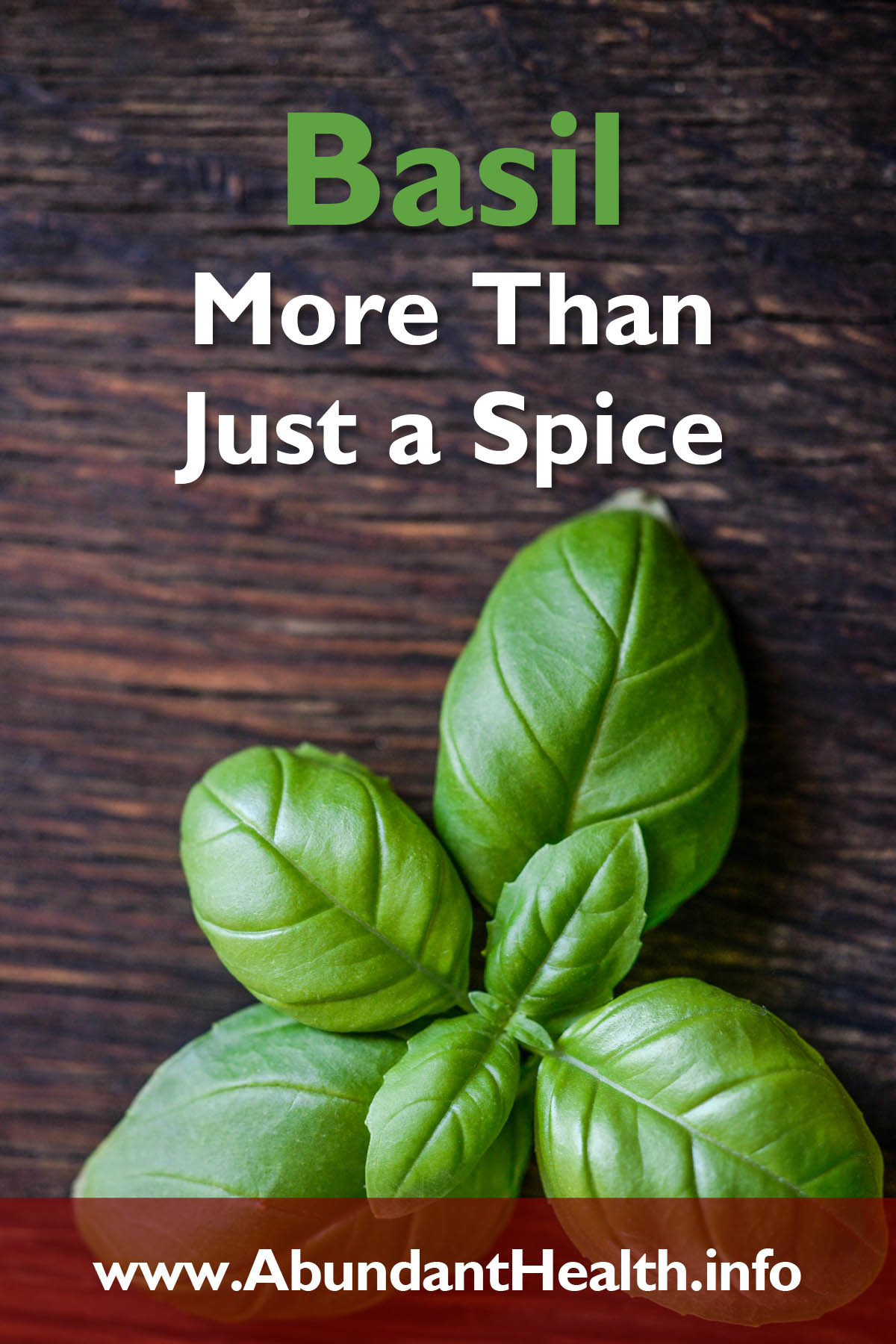
Probably originating in Africa, this spice and medicinal plant came to Europe via India. Basil is cultivated on a large scale in Mediterranean countries. However, it also thrives in our gardens or in pots on balconies or windowsills. It is a very heat-loving herb that is killed by the first frost. Therefore, harvest it or bring it indoors when there is a risk of frost. The leaves can be easily frozen or dried. I always sow my basil in large pots and place them on our terrace next to rosemary and marjoram. When I walk past, I briefly brush my hand over it. The scent is wonderful and reminds me of a vacation by the seaside.
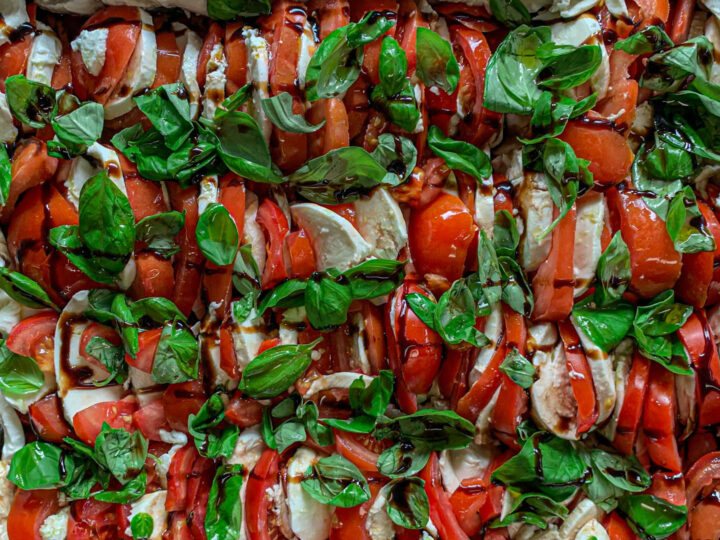
Basil belongs to the mint family. Nowadays, there is a wide variety of basil types available. They differ in size, leaf shape, color, and taste. The classic Italian basil is the “Genovese” variety. What would the famous “Insalata caprese”—buffalo mozzarella, tomatoes, olive oil, basil—be without this herb? Lemon basil has a very delicate flavor. It makes a delicious pesto and, in winter, a wonderfully warming tea, as the herb dries well. However, there are also varieties that taste of cinnamon, licorice, or aniseed. Some are very peppery.
Some perennial basil varieties become woody. Unfortunately, they are not winter hardy in the northern latitudes above Zone 4. They must be potted in autumn and brought indoors. Ideal wintering temperatures are between 15 and 22 degrees. The plants should not be kept too wet. They love it when you let the soil dry out a little from time to time. Cold-tolerant species usually do not form flowers. A few weeks after the frost date, they can be put back outside. Young plants grown from cuttings in summer are the easiest to overwinter.
With annual basil, it is important to cut off the flowering shoot tips. This allows the plant to grow much bushier and thus more productive. The flavor is most intense during the hot summer months. Greek basil has smaller leaves. It can be harvested all year round. It can also be dried without any loss of flavor, which is not possible with Genovese basil. The red-leaved basil “Rosso” requires a lot of heat.
If you want to grow your own seeds, you must bear in mind that insects love basil and will therefore cross-pollinate the varieties. The seed heads must therefore be cut off shortly before ripening and left to ripen in an airy place. Variety-true propagation is also possible using cuttings from the shoots. Cut off a few shoots about 8 cm long, place them in water, where they will form roots in a warm place after about 8 days and can then be potted. Basil seeds needs light to germinate, by the way.
Basil contains essential oils. Estragol and linalool have antibiotic properties. Tannins and saponins help with stomach upset, abdominal cramps, and menstrual cramps. A decoction of the herb is effective for flatulence and stomach upset. To prepare the decoction, pour 1/4 liter of boiling water over 1-2 heaped teaspoons of the herb, leave to steep for 10 minutes, strain, and drink one cup unsweetened as needed. For chronic flatulence, the following regimen can be taken. Drink one cup twice daily for 8 days, then take a 14-day break and repeat the 8-day regimen. This is a recipe from the book “Living Medicine: Healing Properties of Plants” by pharmacist M. Pahlow.
Basil is one of the best sources of iron and also has a very high calcium content. Freshly squeezed leaf juice is said to help with fungal infections. To do this, rub the fresh juice onto the affected areas of skin twice a day and allow it to absorb.
In aromatherapy, basil is used as a tonic for nervous disorders. It can be used to treat menopausal symptoms. The ingredient beta-sitosterol is similar to the hormone estrogen and therefore counteracts hormone deficiency.
As a herb, basil is a great addition to almost any salad, but especially to tomato and lettuce. It adds richness to herb butter and is delicious mixed with cream cheese and served with jacket potatoes. It should not be cooked in soups and sauces, but added just before serving. It is worth experimenting with this wonderful spice. The summer basil season is always over far too quickly. In the winter, we need to get by with a plant growing on our windowsill.

Stay Always Up to Date
Sign up to our newsletter and stay always informed with news and tips around your health.

Esther Neumann studied Nutrition at the University of Vienna. Since then she served as an author for the health magazine “Leben und Gesundheit” and conducted health lectures in various locations of Austria.
Leave a Reply