Aloe Vera is a medicinal plant introduced and naturalized throughout the Mediterranean, Middle East, tropics, India, Asia, and Latin America. The vacuoles in the inner layer of its meaty leaves produce an almost transparent thick gel. As early as 1750 B.C., the Egyptians used aloe vera for skin infections. During the first century A.D., the Greeks used it to treat wounds and skin infections. In the 1800s, Americans used it for its laxative qualities. Independently, the aloe vera we speak of today is not analogous to the aloes mentioned in the Bible.
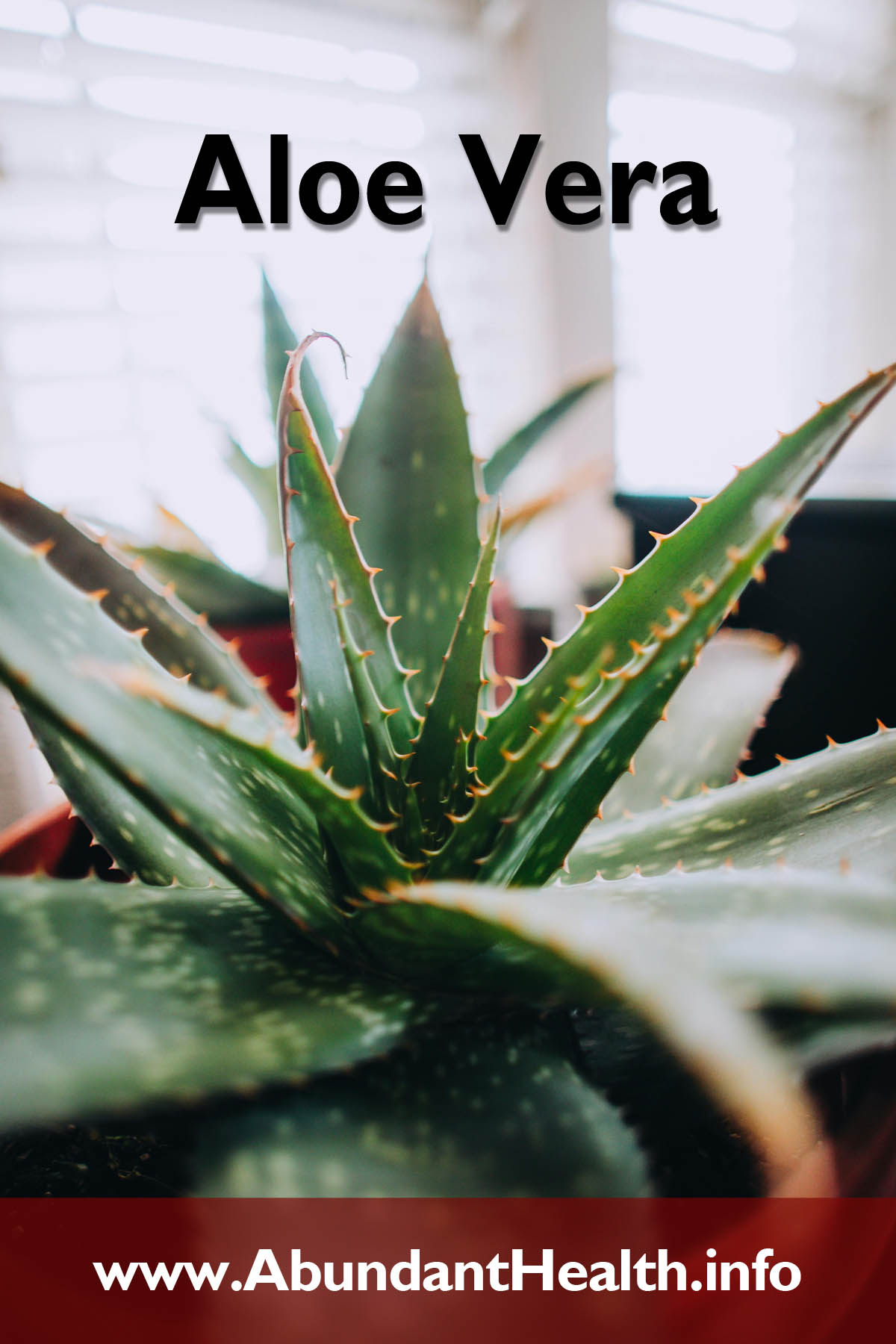
Aloe vera gel promotes several valid healing actions. Aloe vera gel is not to be confused with aloe vera latex. They are made from different parts of the leaves and exert different physiological actions. Aloe vera latex is produced from the lining just beneath the outer layer of the leaf, and is used for its very strong laxative effects. The gel is found in the heart of the plump leaves. Let’s examine some of the many medicinal benefits of this plant. Please note that all references to aloe vera, unless specifically stated otherwise, refer to the gel portion.
Friend to the digestive system
Aloe vera inhibits Heliobacter (H. pylori), a significant benefit, for this bacteria is associated with many gastric ulcers, as well as about 90 percent of gastric cancer cases. It might be helpful to mention that although H. pylori is associated with ulcers, it does not necessarily cause them; additional factors are involved.
H. Pylori is also associated with inflammation in the stomach (gastritis). Aloe vera can soothe and even inhibit this inflammation.
Made in the stomach by parietal cells, hydrochloric acid (HCl) is necessary for proper protein digestion. The stomach lining shields itself against this strong acid by producing a protective layer of mucus that neutralizes the acid upon contact. Anything that damages this layer may facilitate ulcer formation by allowing even a normal amount of the acid to erode or “eat into” the stomach lining.
Here is where aloe vera can again prove helpful. By temporarily coating the GI lining, when taken orally it helps prevent aggravating agents from promoting the development of gastric and duodenal ulcers.1)Pizzorno, J.E. and Murray, M., Textbook of Natural Medicine, Vol.1, Harcourt Publishers, New York, 1999. p. 583.
Excess acid production is implicated in about 50 percent of duodenal ulcer cases.2)Other conditions as well, such as a damaged duodenal mucosa (inner lining) or a deficiency of alkaline pancreatic juice can encourage ulcer formation. Smoking, which is commonly associated with decreased levels of sodium carbonate, can also promote or exacerbate ulcer formation. The body chemical histamine increases HCI production, thus contributing to ulcer formation. Pharmaceutical companies have responded to this problem by creating drugs that block histamine’s mechanism of acid production. However, along with their beneficIal actions, most drugs also produce harmful side effects. Aloe vera may help to inhibit histamine naturally, with little or no side effects.

For heartburn, gastritis, and/or ulcers, one or two fluid ounces of aloe vera gel is recommended after a meal.3)Gastric ulcers can degenerate into cancer. If difficulty in swallowing, indigestion, loss of appetite, nausea, or abdominal pain is being experienced, we would highly recommend obtaining a complete physical check up.
In the colon also, aloe vera gel exerts anti-inflammatory activity and quenches free radicals. The gel may prove to be helpful for individuals who suffer from mild to moderate ulcerative colitis. In a double blind, randomized, placebo-controlled trial, 44 patients who had this disease were randomly given 100 mL of gel twice a day for four weeks. Thirty percent experienced clinical remission and 37 percent showed improvement. More studies need to be done to confirm this finding.
Subdues inflammation and pain
As mentioned, aloe vera gel is an anti-inflammatory agent. It is among others a natural inhibitor of COX-2, a body enzyme linked to the production of PGE-2. PGE-2 is a hormone that suppresses the immune system and revs up the fires of inflammation. The gel also blocks the production of bradykinin, another major mediator of pain and inflammation.4)Yaki, A., et al., Planta Med, (11):957-60, 2002. Aloe vera reduces edema (the swelling accompanying inflammation). And it also reduces the formation of thromboxanes–prostaglandin-derivatives which decrease blood flow by promoting spasms of blood vessels and blood clots.
A healer of wounds
Aloe vera gel’s moisturizing, emollient, and antibacterial action promotes wound healing. It contains vitamins C and E, and the mineral zinc – all of which are important nutrients for tissue restoration. This therapeutic gel stimulates protein and collagen synthesis in connective tissue cells. Protein is needed for good cellular repair, and collagen is the glue that holds the paired cells together.5)Pizzorno, J.E. and Murray, M., Textbook of Natural Medicine, Vol.1, Harcourt Publishers, New York, 1999. p. 583.
Aloe vera gel can help heal leg ulcers – a common problem for diabetic individuals, who characteristically have compromised wound-healing ability. Applying it topically several times a day may prove helpful. Because leg ulcers can become infected, a culture and sensitivity test for bacteria would be judicious.
Alternating the applications of aloe vera gel with that of golden seal and turmeric powder might prove even more helpful than the gel alone; these two herbs have demonstrated significant wound healing activities as well in diabetic animals.
The aloe vera plant also contains betasitosterol, a phytochemical that promotes the growth of new blood vessels in damaged tissue. One word of caution about aloe vera and wound healing: the gel actually may retard the healing of surgical incisions.
Skin-aid
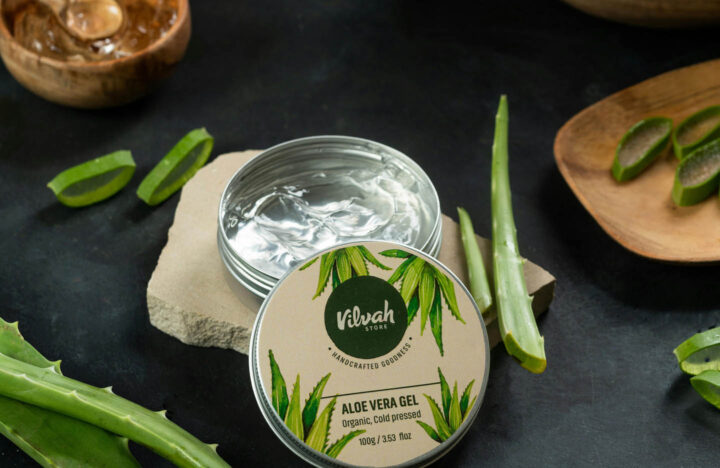
Perhaps one of aloe vera gel’s most commonly appreciated benefits is that of its soothing, healing effect on topical burns—particularly sunburns. By exerting anti-inflammatory actions upon the skin and stimulating growth and repair of the skin’s epidermal layer, it promotes restoration of the damaged tissue. Frequent applications of a mixture of aloe vera gel and vitamin E oil can often also heal uncomplicated second-degree burns.
Anti-viral activity
The phytochemical, aloe emodin, inactivates “enveloped viruses,”6)A virus particle that is packaged in a protective, shield, thus making it more impregnable to destruction. such as those of influenza and herpes simplex.
At least two studies show that aloe vera gel applications to genital herpes may prove helpful. In one study, 120 circumscribed patients who had their first outbreak of genital herpes sores, were divided into three groups. Jointly, they had 1,496 lesions. Group one applied whole aloe vera leaf extract as a hydrophyllic cream to their herpes sores three times for five consecutive days for two weeks. Group two applied aloe vera gel in the same way, while group three applied a placebo. The results? Both aloe vera cream and gel were considerably more effective than the placebo in promoting healing and reducing duration of the lesions. The sores being treated with aloe cream lasted a mean average of 4.8 days, those treated with the aloe gel, 7 days, and those with the placebo, 14 days. A full 70 percent of the individuals using the aloe vera cream, and 45 percent of those using the aloe gel, were healed, but only 7.7 percent of those who applied the placebo were healed.7)PDR for Herbal Medicine, 3rd Ed., Thompson, 2004, pp. 17-18
Another group of 60 men with herpes simplex genitalis was divided into two groups. Group one applied a whole-leaf extract of aloe vera cream three times daily for five consecutive days during the course of three weeks. Aloe users experienced a 66.7 percent cure rate, compared to the 6.7 percent cure rate of the placebo group. At the end of 20 months, the “cured” patients had only a 13 percent recurrence rate.8)PDR for Herbal Medicine, 3rd Ed., Thompson, 2004, pp. 17-18
Help for diabetes
As briefly mentioned, aloe vera appears to be quite beneficial for diabetic individuals. For example, diabetes increases oxidative stress in the body. Oxidative stress generates free radicals, which are unstable molecules that damage cells and tissues. Aloe vera gel may help to fight free radicals by increasing glutathione, an important antioxidant in the liver. Diabetes-induced oxidative stress also increases the risk of liver disease, including non-alcoholic liver disease. Animal studies show that aloe vera gel decreases such damage to the liver and pancreas.9)Rajasekaran S., et al., Antioxidant effect of aloe vera gel extract in streptozotocininduced diabetes in rats. Pharmacol Rep, 57(1):90-96, 2005.
Can, A., et al., Effect of aloe vera leaf gel and pulp extracts on the liver in type-II diabetic rat models. Biol Pharm Bull, 27(5):694-8, 2004.
10)Bolkent, S., et al., Effect of Aloe vera (L.) Burm. fil. leaf gel and pulp extracts on kidney in type-II diabetic rat models. Indian J Exp Biol, 42(1):48-52, 2004.
Diabetes increases the formation of advanced glycation endproducts (AGE). In this process, glucose can adhere to amino acids and degrade the quality of protein in tissues, thereby speeding the aging process and encouraging the development of many complications such as skin, eye, nerve, and DNA damage. Aloe vera may reduce this type of damage.
Diabetes increases the peroxidation rate of unsaturated fats. In other words, the double bond between certain carbon atoms in a fatty acid is broken and connected to oxygen atoms. This, in turn, adversely affects the brain system by interfering with the protection, repair, and regeneration of brain cells and the glial cells that nourish and defend them.11)Brazen, N.G., et al., Brain response to injury and neurodegeneration: endogenous neuroprotective signaling. Ann NY Acad Sci, 1053:137-47, 2005.
The kidneys are also damaged by diabetic lipid oxidation, as demonstrated in animals. One particular study on diabetic rodents with elevated levels of creatinine and urea (a sure indication of kidney damage) showed that those which received aloe vera gel clinically improved. Lipid peroxidation in kidneys was reduced, resulting in lowered creatinine and urea levels and positive biochemical changes. Microscopic study of the kidneys in those diabetic rats receiving aloe gel demonstrated the improvement.12)Bolkent, S., et al., Effect of Aloe vera (L.) Burm. fil. leaf gel and pulp extracts on kidney in type-II diabetic rat models. Indian J Exp Biol, 42(1):48-52, 2004.
Aloe vera may benefit people with diabetes in still another way. In time, diabetes leads to significant deterioration of motor skills, impaired memory, and an increased risk of developing dementia. The hippocampus (an area in the temporal lobe of the brain that is important for memory, learning, and mood regulation) and the cerebral cortex are especially vulnerable to the oxidative stress fueled by diabetes.
Animal experiments have shown that aloe vera and another herb from India, Withania somnifera, each effectively reduced the damage caused from oxidative stress in those same areas of the brain. The combination of the two herbs together was even more effective in diminishing impairment of memory and motor skills than when each was used alone.13)Parihar, M.S., et al., Susceptibility of hippocampus and cerebral cortex to oxidative damage in streptozotocin treated mice: prevention by extracts of Withania somnifera and Aloe vera. J Clin Neurosci, 11(4):397-402, 2004.
As previously mentioned, aloe vera contains the phytochemical beta-sitosterol. This particular phytochemical has been shown to reduce brain damage from ischemia (inadequate blood supply). When the blood begins to flow back into an area, called reperfusion injury occurs. Ischemia and reperfusion injury are common in strokes and cardiac arrests. Animal studies have demonstrated that aloe vera gel can promote the growth of new blood vessels in brains that have been thus damaged.14)Choi, S., et al., Angiogenic activity of betasitosterol in the ischaemia/reperfusiondamaged brain of Mongolian gerbil. Planta Med., 68(4):330-5, 2002
Of course, further investigation is warranted to see if aloe vera would manifest the same benefits in human beings.
Cautions and usages
Although aloe vera exerts many medicinal properties, some cautions are indicated.
- Avoid using aloe vera latex as a laxative. It overstimulates and irritates the colon. Safer laxatives are available. Never use aloe vera latex if you have any acute abdominal problems. Prolonged, excessive use of any laxative can cause potassium loss, the loss of which could seriously damage the nerves, intestines, and heart muscles.
- Do not use aloe vera for abdominal discomfort or pain that has not been diagnosed. Because each person is of inestimable worth, a thorough diagnostic workup is essential for those experiencing abdominal pain or discomfort. Too often cancers and other diseases progress because an individual does not seek professional help early enough.
- When chronically used, large dosages of aloe vera in any form can damage the enteric (digestive system) nerves.
- Some studies suggest that aloe vera can reduce levels of the thyroid hormones T3 and T4. Therefore, it may be wise to have one’s thyroid hormones monitored when taking any form of aloe vera regularly.15)Kar, A., et al., Relative efficacy of three medicinal plant extracts in the alteration of thyroid hormone concentrations in male mice. J Ethnopharmacol, 81 (2):281-5, 2002.
- Certain studies show that aloe vera gel can reduce blood sugar. Thus individuals with diabetes who decide to take aloe vera may need to monitor their blood sugar levels more closely. It would be advisable for such ones to consult with their primary care physician regarding aloe usage.
- As with all herbs, if you are simultaneously taking any medication, check with your pharmacist to avoid drug/herb interactions. Individuals taking medicine for an irregular heart rhythm or diuretics to lose fluid, should not take aloe vera on a regular basis or in large amounts.
One tablespoon of the gel three or four times a day would be safe for many people, but you should check with your physician to ascertain a safe dosage for you. Overall, be aware that long-term use of aloe vera can be harmful. Used wisely, however, this long- and widely-appreciated plant proves one of significant medicinal value.
Growing Aloe Vera
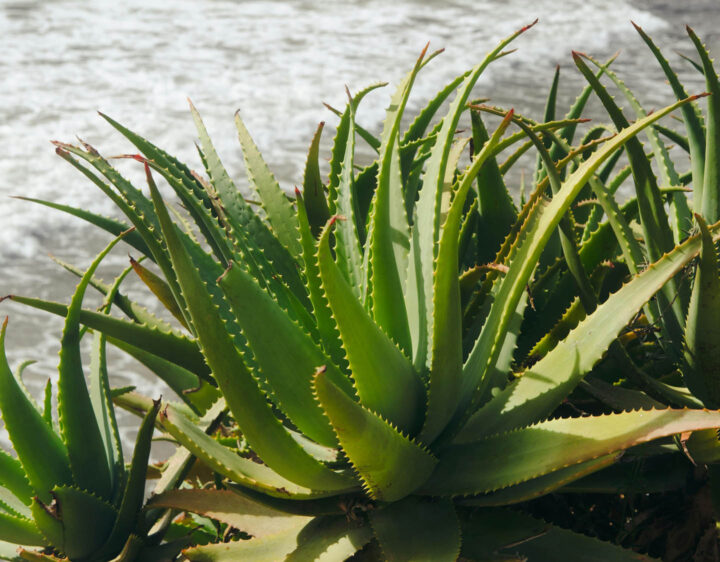
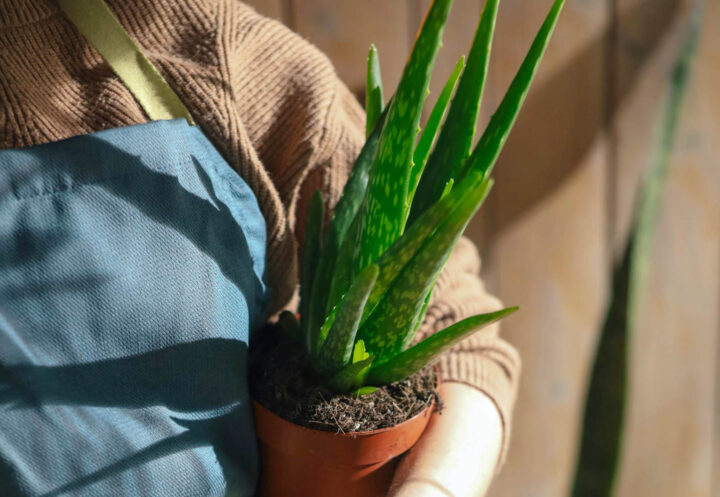
Aloes come in a variety of shapes and sizes. Relatively easy plants to grow, they tend to do well in normal, non-alkaline potting soil with good drainage, ample, but not direct sunlight, and being watered only when the soil is truly dry. These succulents are native to hot and dry weather and are frost-sensitive, so they need to be brought indoors during freezing weather.
You can cut off leaves as needed for medicinal use. The cut will heal, but the leaf will not grow back, so you may prefer to cut off the lowest leaves first and in such a way that the plant will continue to look as balanced as possible.
Slice through the skin to open the leaf, and either scrape the gel out with a spoon or lightly rub the opened leaf on the affected skin surface for sunburn or wound healing. Unused portions of the cut leaves will probably keep best if stored in plastic and refrigerated.

Stay Always Up to Date
Sign up to our newsletter and stay always informed with news and tips around your health.

Elizabeth Hall has taught and researched health topics for more than 35 years at Wildwood Lifestyle Center and Hospital at Wildwood, GA.
References
| ↑1, ↑5 | Pizzorno, J.E. and Murray, M., Textbook of Natural Medicine, Vol.1, Harcourt Publishers, New York, 1999. p. 583. |
|---|---|
| ↑2 | Other conditions as well, such as a damaged duodenal mucosa (inner lining) or a deficiency of alkaline pancreatic juice can encourage ulcer formation. Smoking, which is commonly associated with decreased levels of sodium carbonate, can also promote or exacerbate ulcer formation. |
| ↑3 | Gastric ulcers can degenerate into cancer. If difficulty in swallowing, indigestion, loss of appetite, nausea, or abdominal pain is being experienced, we would highly recommend obtaining a complete physical check up. |
| ↑4 | Yaki, A., et al., Planta Med, (11):957-60, 2002. |
| ↑6 | A virus particle that is packaged in a protective, shield, thus making it more impregnable to destruction. |
| ↑7, ↑8 | PDR for Herbal Medicine, 3rd Ed., Thompson, 2004, pp. 17-18 |
| ↑9 | Rajasekaran S., et al., Antioxidant effect of aloe vera gel extract in streptozotocininduced diabetes in rats. Pharmacol Rep, 57(1):90-96, 2005. Can, A., et al., Effect of aloe vera leaf gel and pulp extracts on the liver in type-II diabetic rat models. Biol Pharm Bull, 27(5):694-8, 2004. |
| ↑10, ↑12 | Bolkent, S., et al., Effect of Aloe vera (L.) Burm. fil. leaf gel and pulp extracts on kidney in type-II diabetic rat models. Indian J Exp Biol, 42(1):48-52, 2004. |
| ↑11 | Brazen, N.G., et al., Brain response to injury and neurodegeneration: endogenous neuroprotective signaling. Ann NY Acad Sci, 1053:137-47, 2005. |
| ↑13 | Parihar, M.S., et al., Susceptibility of hippocampus and cerebral cortex to oxidative damage in streptozotocin treated mice: prevention by extracts of Withania somnifera and Aloe vera. J Clin Neurosci, 11(4):397-402, 2004. |
| ↑14 | Choi, S., et al., Angiogenic activity of betasitosterol in the ischaemia/reperfusiondamaged brain of Mongolian gerbil. Planta Med., 68(4):330-5, 2002 |
| ↑15 | Kar, A., et al., Relative efficacy of three medicinal plant extracts in the alteration of thyroid hormone concentrations in male mice. J Ethnopharmacol, 81 (2):281-5, 2002. |
Truly, natural remedies do work. We wouldn’t have used them for thousands of years if they didn’t, pharmaceutical companies wouldn’t be studying plants, taking extracts from them, and patenting them as drugs. Your doctor will lie to you that there is no cure for STROKE, CANCER, HIV, ASTHMA and some certain other illnesses because they want you to keep spending your hard-earned money on those drugs without getting a permanent cure. It’s time to give herbs a try.