It may seem that wise, strong people typically have gone through a few hard times in their lives. By comparison, those who have led a very sheltered and privileged life often appear to crack more easily under pressure. But is it really true that some degree of pain and trauma can make us stronger? And if so, at what point does it destroy us?
Seriously traumatic events – such as accidents or terrorist attacks – can evoke fear and helplessness in the face of a threat to life or serious injury. Fear responses are often more extreme if the trauma is unsystematic and random. That’s because the utter senselessness of the situation makes it difficult for individuals to interpret what is happening around them. How does one explain the mindless murder of the innocent, for example?
These events corrupt the sense of confidence, stability and trust we have in the world. But miraculously it turns out they can actually help us be stronger – although not everyone. Indeed, psychologists have long been interested in why some individuals appear to overcome traumatic events and thrive while others appear unable to recover, continuing to suffer from post traumatic stress disorder or other mental-health problems.
Building resilience
Research on victims of serious trauma has found that about 75% of them do not appear to be significantly impaired after the incident, despite being stressed and traumatized at the time of the incident. So what characteristics do those individuals have that are different?
First and foremost, it is a quality that psychologists call resilience, the ability to cope and adapt in the face of hardship, loss or adversity. It is the capacity to deal effectively with stress and pressure and to rebound from disappointments and mistakes. A person with psychological resilience is able to solve problems and meet life’s challenges with confidence and purpose, demonstrating impressive self-renewal skills when necessary.
Whether it’s chronic illness, sexual, physical or emotional abuse or fear and threat of violence, resilient individuals have better coping success when under psychological distress, higher self-efficacy and self-esteem as well as more optimism and hope. They also tend to have fewer psychological and health-related problems. Resilient individuals are typically also internally consistent, assertive, cognitively flexible, autonomous and have a personal moral compass and an ability to face their fears.
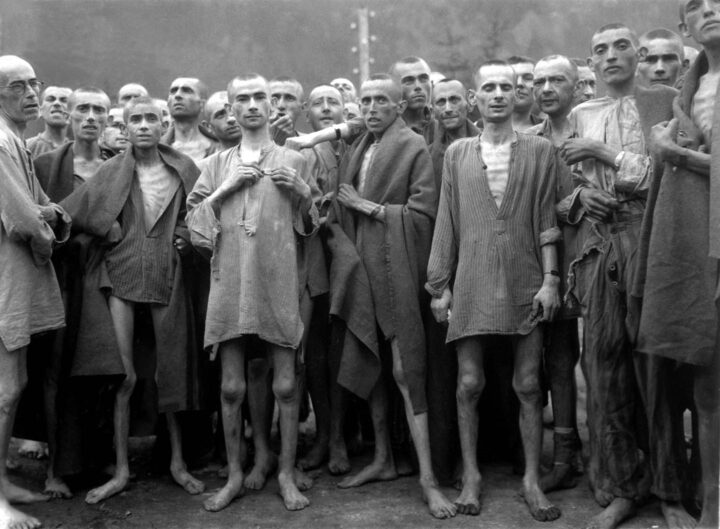
When studying the personality traits of resilient holocaust survivors, who had suffered extreme trauma and watched their families and friends die in the camps, we found that they were characterized by optimism, creative problem solving and acceptance of their situation. These people typically reported that they always had hope that they would somehow endure and that the story of their lives would one day be told.1)Greene R. Holocaust Survivors: A Study in Resilience. Journal of Gerontological Social
Work, Volume 37

However, resilience does not have to come from extreme emotional and physical trauma.2)Tusaie K, Dyer J. Resilience: A Historical Review of the Construct. Continuing Education, Research Gate More than two-thirds of the general population will experience events they find traumatic in their lifetimes.3)Sandro Galea, Arijit Nandi, David Vlahov, The Epidemiology of Post-Traumatic Stress Disorder after Disasters, Epidemiologic Reviews, Volume 27, Issue 1, July 2005, Pages 78–91, https://doi.org/10.1093/epirev/mxi003 Life experiences such as poverty, dysfunctional families and bullying can also have lasting impacts – it’s a dynamic interaction of a variety of influences such as personality, coping responses and our appraisal of the trauma that shape us.
Nature versus nurture
It’s not entirely clear to what extent we are born with resilience and to what extent it is something that we learn. But it is certainly a construct that can be improved and built upon. Positive emotions help to establish a building block that broadens the domain of effective behaviors in regards to stress and trauma. However the building of resiliency must occur before a stressful situation – just like immunity to an infection or disease.4)Pretis, M, Dimova A. Vulnerable children of mentally ill parents: Towards evidence-based support for improving resilience. https://doi.org/10.1111/j.1467-9604.2008.00386.x
But that’s not the whole story. Actually going through a trauma can provide us with the opportunities to become more resilient to the next life-impacting event. When going through tough times we get to know ourselves and learn about the behaviors that we exhibit when stressed – and how to best manage them. This in turn also helps build confidence.
So does that mean that people with an “easy life”, who may not have had the opportunity to learn how to be resilient, are worse at it? While this could be the case, there isn’t any research on this, probably because it isn’t exactly straightforward how to define an “easy” life. What’s more, psychologists tend to study people who are traumatized – they are the ones that actually need our help. Having said that, there are people who may not have suffered much trauma but are nevertheless able to suddenly stand up and rescue 20 people from drowning instead of only saving themselves in a crisis – and this is showing a type of resilience.
Ultimately, resilience is a complicated mix of personality and experience. Each of us has the capability to get back up and carry on, whether we use it or not. Having a sense of one’s own meaning is probably the most important characteristic of building resilience – everyone has something to contribute, everyone has extraordinary possibilities and strengths. Understanding your uniqueness is the first step to recognizing your worth and is one way of beginning to improve your psychological resiliency. Hopefully, just knowing that it is something we can improve can help some of us move in the right direction.

Stay Always Up to Date
Sign up to our newsletter and stay always informed with news and tips around your health.
This article is republished from The Conversation under a Creative Commons license. Read the original article.


Pam is a lecturer in psychology at the University of Bradford. She is specifically interested in researching the relationship of psychological resiliency, vicarious post traumatic stress disorder and fear of terrorism/violence.
References
| ↑1 | Greene R. Holocaust Survivors: A Study in Resilience. Journal of Gerontological Social Work, Volume 37 |
|---|---|
| ↑2 | Tusaie K, Dyer J. Resilience: A Historical Review of the Construct. Continuing Education, Research Gate |
| ↑3 | Sandro Galea, Arijit Nandi, David Vlahov, The Epidemiology of Post-Traumatic Stress Disorder after Disasters, Epidemiologic Reviews, Volume 27, Issue 1, July 2005, Pages 78–91, https://doi.org/10.1093/epirev/mxi003 |
| ↑4 | Pretis, M, Dimova A. Vulnerable children of mentally ill parents: Towards evidence-based support for improving resilience. https://doi.org/10.1111/j.1467-9604.2008.00386.x |
Leave a Reply