Why are so many people turning off their stoves and buying Raw: The Uncook Book? Why are chefs scrambling to learn how to turn raw vegetables into great-tasting culinary creations? Why are so many turning to raw foods and discovering the art of noncooking?
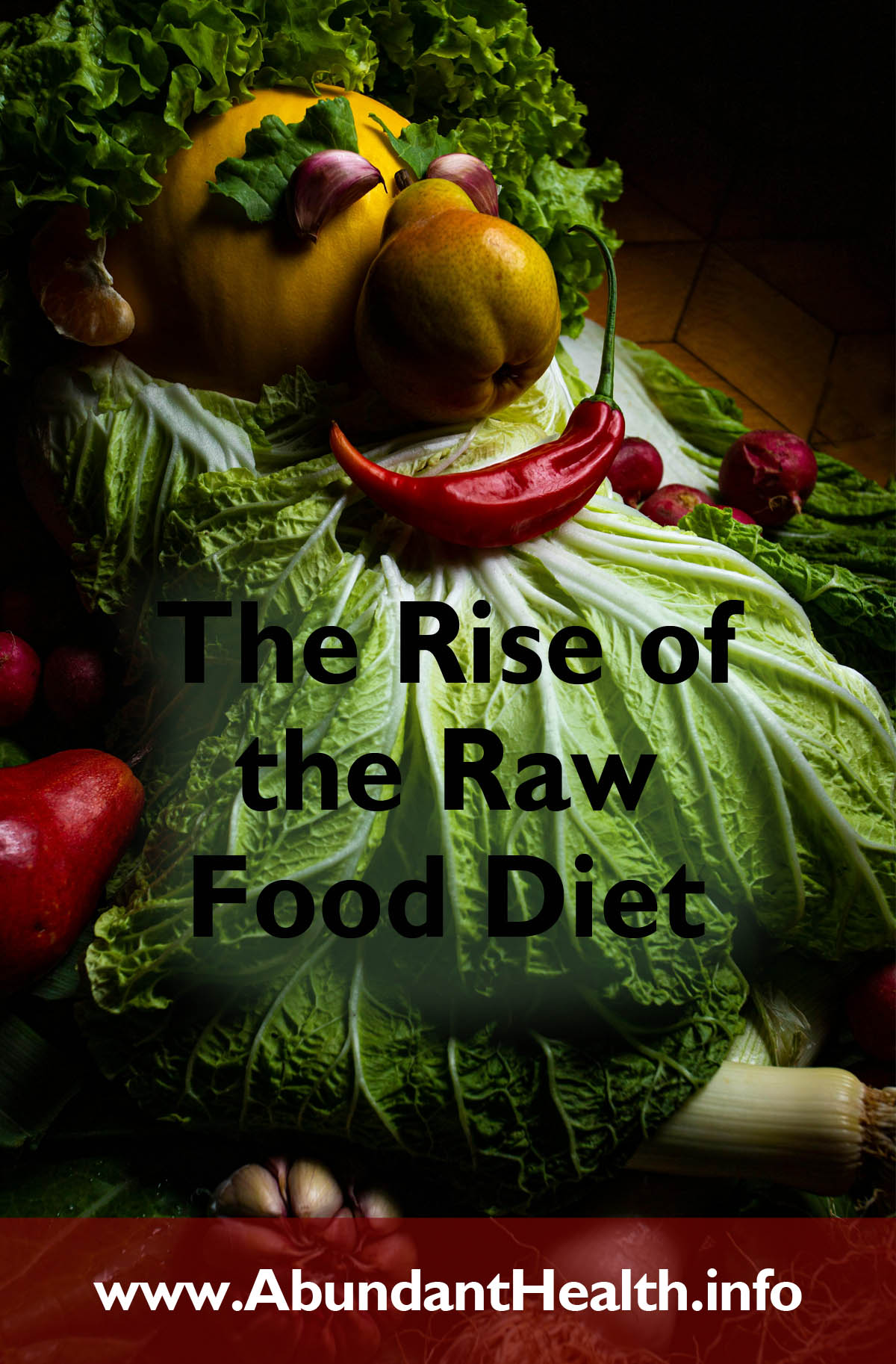
There is a growing belief among some that a raw-food diet comprised of uncooked foods is the best and healthiest diet and that it most closely resembles the original vegetarian diet. Some even have the impression that raw foods have curative and health-promoting properties not afforded by a diet containing cooked foods.
Those who eat the raw food diet claim that it gives them more energy and enhances mental acuity. A raw food diet is also recommended to purify the body of toxins. Followers of the raw food diet have very strong convictions and a real gift of persuasion, so adherents of the diet are steadily growing.
To enjoy the raw food diet, one has to be willing to accept thin-sliced zucchini as sheets of pasta in a lasagna dish and dehydrated carrot cubes as croutons for soups and vegetables mixes. Typical cuisine includes using a lot of ginger, onions and garlic, mustard, mushrooms, lemon grass, and other herbs and spices to enhance the flavor of the raw food.
Fire is the Enemy
One of the main reasons given as to why we should be consuming our food uncooked is that raw food contains “live” enzymes which are suggested to help the body with its task of digestion. Proponents of the raw food diet argue that heating food above 118 degrees Fahrenheit (48 degrees Celsius) destroys the enzymes. This, they say, will destroy the vitality of food and lessens its nutritional value.
The raw food philosophy has inspired new cookbooks and generated new resorts and generated new restaurants dedicated exclusively to raw food preparation. For true success, there are three pieces of equipment that are deemed essential for eating a raw food diet. They are a Vita-Mix blender, a Green Life juicer, and a food dehydrator. The dehydrator is useful for concentrating flavors and providing a crispy exterior to some foods.
What Did Health Reformers of the Past Have to Say?
These ideas about raw foods are not entirely new. Popular health concepts of ten recycle in history and later reappear in a different era as a “new” idea. Sylvester Graham in 1839 wrote that humans would never suffer illness if they ate only uncooked foods. All cooking processes, he wrote, are detrimental to some degree to the physiological and psychological makeup of human beings.
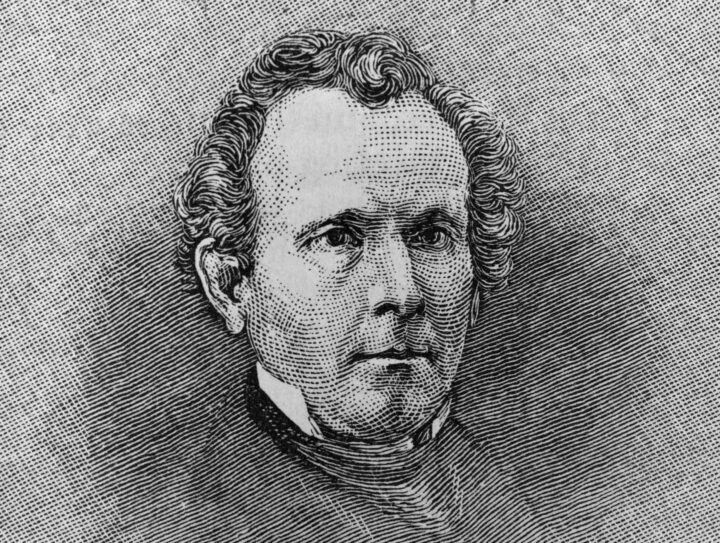
His ideas on a raw food diet were not endorsed by other health reformers of that time, such as John Harvey Kellogg and Ellen White. Dr. Kellogg wrote that he could not endorse the extravagant and unsubstantiated claims made by the promoters of the raw food fad. Their ideas were viewed by Kellogg as greatly harming and hindering the progress of real dietary reform.
Ellen White also did not suggest that we eat only a raw food diet. She recommended the use of both raw and cooked foods. Ellen White certainly did endorse the regular use of fresh fruits and vegetables in season. She often stated how important it was to know how to cook. She said that many were debilitated from disease and needed nourishing well-cooked foods.1)White, E.G., Counsels on Diet and Foods (CDF), p. 91. Furthermore, she emphasized that food should be thoroughly cooked and nicely prepared.2)White, E.G., unpubl. Testimonies #5, 1896.
The Practices of Ellen White
The writings of Ellen White make it abundantly clear that in her household they baked and boiled the potatoes; they baked pumpkin pie, baked or boiled the beans, and cooked green, leafy vegetables, as well as having their grains well cooked.3)White, E.G., CDF, pp. 323-4.
White, E.G., Ministry of Healing, p. 305 She also believed that bread should be thoroughly baked.4)White, E.G., CDF, p. 315 Furthermore, she used canned, dried, or fresh fruits, and often consumed baked or stewed apples.5)White, E.G., CDF, p. 309
White, E.G., Testimonies, Vol. 2, p. 602.
White, E.G., CDF, p. 330.

Ellen White clearly promoted the importance of cooking or baking legumes, grains, potatoes and other starchy foods. This is necessary for digestibility, since raw protein and starch is very difficult for humans to digest. In addition, she believed that cooking food was necessary to preserve it and have it available during seasons when such food was scarce or unavailable. This could enhance the diet, especially during the winter and early spring when fresh food was limited.
Testing the Waters
When a new dietary emphasis surfaces in the marketplace, it is important as consumers that we do not accept the “new” idea or theory, without first testing the theory. Is it physiologically sound? Are there scientific data to support it? Is it in line with established health facts? The apostle Paul also admonishes us that we should “prove all things.”
Regarding the notion that a raw food diet is the best diet, I would say that there are certain claims made by proponents of raw foods which are not scientifically sound. In fact, they are quite erroneous.
What Happens When You Cook Your Food?
False Claims About Cooked Foods & Discussion About Those Claims
- Cooked, baked and processed foods have little nutritional value.
Cooking and baking may cause some loss of a few heat-sensitive vitamins such as Vitamin C. Heavily milled and refined grains will lose considerable amounts of minerals and vitamins.
- Cooking destroys all the enzymes. The body then has to use energy to make new digestive enzymes.
It is important to remember that the pH of the stomach is 2-3. This very acidic environment of the stomach will denature (or inactivate) enzymes before they get to the small intestinal tract. Hence, the enzymes in raw food do not make it past the stomach.
- Cooking turns minerals from an organic form into a non-readily usable inorganic form.
Heat does not deteriorate or destroy minerals in any way. They can be leached from vegetables if cooked in a large volume of water that is subsequently discarded.
- The soaking of grains and nuts leaches out detrimental enzyme inhibitors, making the grains and nuts safe to eat.
Soaking grains and nuts does not leach out the enzyme inhibitors. Rather, normal household cooking will destroy many of these compounds.
- Heating or cooking an oil turns its fat into toxic trans fatty acids.
This process can only be achieved with an industrial catalyst. Normal household cooking does not produce trans-fatty acids. Heating an oil in an open skillet can cause oxidation and deterioration of the oil similar to rancidity but trans-fatty acids are not produced.
Advantages for Cooking
On the other hand, there may be some advantages to using cooked foods. Recent research data has revealed that cooking unleashes more of the lycopene and other carotenoids (the pigments in bright yellow, orange, and red colored fruits and vegetables as well as the green, leafy vegetables) for the body to absorb. In some cases, the difference in availability is several fold greater for the cooked foods. The carotenoids are known to enhance the immune system as well as lowering the risk of heart disease and cancer.
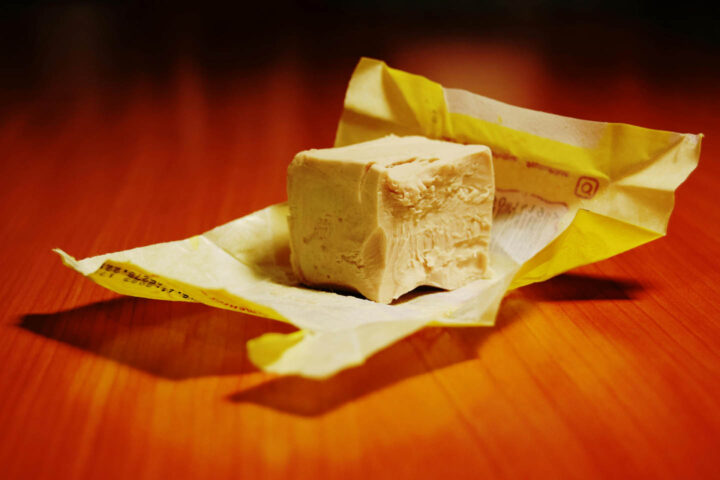
Baking bread with yeast activates the enzyme phytase, which breaks down phytic acid. The natural result of this phenomenon is that certain minerals, such as zinc and calcium, are more available from the bread. Flat breads or uncooked grains would not benefit from this process. With such foods, the high phytate levels would lower the availability of minerals.
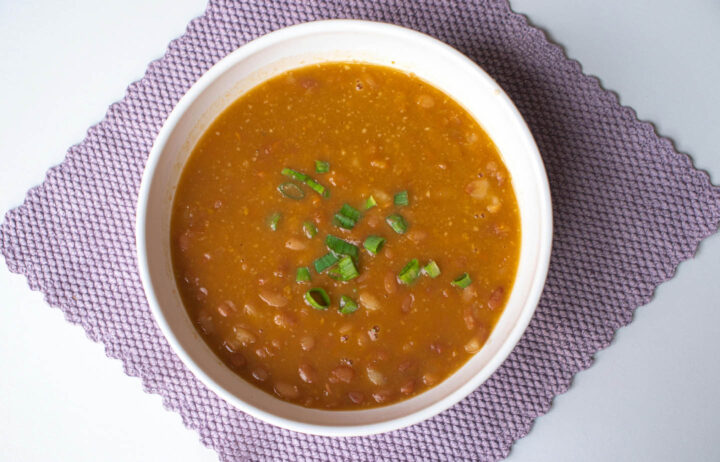
The cooking/heating process causes protein to be denatured, starch to be gelatinized, and fiber to be somewhat disrupted. All this means that nutrients become more available and food does not pass from the body partially digested. Too much undigested food can cause intestinal distress, gas and cramps. Foods like beans, potatoes, and most grains are better digested and more nutritious when they are cooked, such as by boiling or baking.
Protection Against Food Poisoning
Cooking is a preventive measure against lethal and harmful bacteria, such as Salmonella and E. coli 0157:H157. Sufficient heat is required to destroy these dangerous organisms that occur on so many different foods. They have even been found on sprouts. A number of major food poisonings have been caused by raw or improperly cooked foods contaminated with these organisms.
Cooking beans helps to diminish the problem of flatulence (gas production). The oligosaccharides in legumes (the undigested carbohydrate components) which cause the flatulence problem are partially removed with usual cooking procedures.
True Health Reform
It appears that a totally raw food diet may actually have some disadvantages. While eating some raw fruit and vegetables and nuts is a good plan, a totally raw diet may not be the best. A mixture of raw and cooked food makes most sense physiologically and scientifically.
In matters of dietary reform, we would do well to carefully avoid extreme positions. We have been told that health reform can be brought into disrepute by extreme views, and that narrow ideas can bring injury to the cause of health reform. It is said that reform may actually become health deform when it is carried to extremes.6)White, E.G., CDF, p. 309 Those of us interested in health do not want to be labeled as extremists and hurt the forward march of health reform.

Stay Always Up to Date
Sign up to our newsletter and stay always informed with news and tips around your health.

Winston is Professor of Nutrition and Director of the dietetics internship program at Andrews University in Berrien Springs, Michigan, where he has taught health and nutrition classes since 1987.
References
| ↑1 | White, E.G., Counsels on Diet and Foods (CDF), p. 91. |
|---|---|
| ↑2 | White, E.G., unpubl. Testimonies #5, 1896. |
| ↑3 | White, E.G., CDF, pp. 323-4. White, E.G., Ministry of Healing, p. 305 |
| ↑4 | White, E.G., CDF, p. 315 |
| ↑5 | White, E.G., CDF, p. 309 White, E.G., Testimonies, Vol. 2, p. 602. White, E.G., CDF, p. 330. |
| ↑6 | White, E.G., CDF, p. 309 |
Leave a Reply