Caffeine: Are the Perks Worth the Price? Caffeine is the world’s most widely used drug. Approximately 90 percent of Americans consume caffeine in some form every day.1)https://www.hopkinsmedicine.org/psychiatry/research/bpru/docs/caffeine_dependence_fact_sheet.pdf
Is a caffeine habit harmless, or can it constitute an addiction to a potent drug? Janice Keller Phelps, MD, shares how at an addictions conference where she guest lectured, juice and fruit were provided instead of the usual fare of coffee and tea:
“The doctors were furious. Some of the most virulent reactions came from three of the speakers scheduled to deliver addresses. They flatly refused to start the program until they had their morning cup of coffee. The sponsors had to order a special urn of coffee on the double, and we all had to sit around and wait until it was made and brought out before we could get on with the meeting. I was supposed to talk about addictions that day, but the scene we had just witnessed said more about it than I could have if I had talked all day.”2)Phelps J. The Hidden Addiction and How to Get Free. (Boston, MA: Little, Brown and Co, 1986) p. 3.
A large proportion of caffeine users exhibit dependence-like behaviors. Just one cup of coffee a day can create dependency and cause withdrawal symptoms.3)Psychopharm 2004 Oct;176(1):1-29 Caffeine has been called “bad habit glue” because it can make other drugs like nicotine more addictive.4)Psychopharm 1999 Mar:142(4)327-33.
“Grounds” for Concern. Americans consume 587 million cups of coffee per day or about 3 cups per person. The daily intake of more than half of Americans is 300 milligrams (mg) of caffeine; 30 percent consume above 500 mg.5)National Coffee Association Survey, 2013.
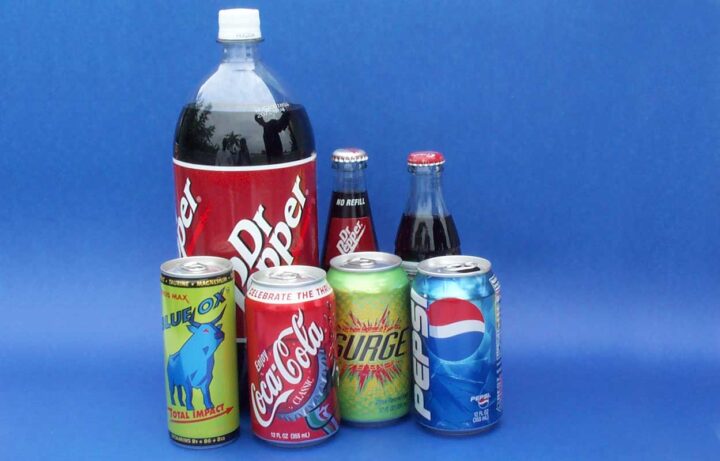
Major dietary sources of caffeine are from coffee, tea, caffeinated soda and energy drinks. It also is found in varying amounts in chocolate, cocoa, and caffeinated juice drinks. Caffeine-spiked water, alcoholic beverages—even gum—are now available. Many drugs, especially weight-control aids, alertness tablets, pain relief medications, diuretics, and cold/allergy remedies also contain caffeine. While caffeine can serve as a rescue medicine for an occasional headache or migraine, repeated usage can cause “rebound” headaches when stopped or over-used.
Metabolic Mayhem. Caffeine causes metabolic mayhem by injecting stress hormones into the system. It manipulates dopamine for a quick lift, but it also can cause an increased risk for depressed mood and mental “fog” later on. How? Caffeine increases cortisol, a stress hormone, which at persistent high levels impairs a key memory and stress-regulating center in the brain, the hippocampus.6)Clinical and biochemical manifestations of depression. Relation to the neurobiology of stress (2). Gold PW, et al. N Engl J Med 1988 Nov:319(7)413-20.
Why stress is bad for your brain. Sapolsky RM. Science1996 Aug:273(5276)749-50.
Caffeine uses chemical trickery to induce a state of alertness and wakefulness that finally results in fatigue and depression, much like a “plastic millionaire” uses credit cards to borrow large amounts of money that must be paid back at greatly inflated interest rates.
And interest comes due quickly with drug-induced energy and alertness. Symptoms of repeated caffeine stimulation and withdrawal are headache, fatigue, insomnia, decreased energy, decreased alertness, drowsiness, depression, difficulty concentrating, irritability, and mental “fog.” Flu-like aches, nausea/vomiting, and muscle pain/stiffness can also occur, leaving you craving more caffeine and creating a vicious cycle of dependence. The poor sleep induced by caffeine fuels weight gain, poor blood sugar control, stress, and worsening of fibromyalgia and musculoskeletal pain.
“Buzz” by the Bottle. Caffeine dependency can form at a young age, usually from caffeinated soft drinks. One-quarter of American beverages consumed are soft drinks.7)National Soft Drink Association website: www.nsda.org That is about 650 8-ounce servings per capita.8)Beverage Digest, 2015 Teen consumption is the highest with males drinking an average of three 12-ounce cans a day.9)https://source.wustl.edu/2005/07/teens-drinking-more-soda-then-ever-before-study-finds/
The mix of phosphoric acid and sugar, even without caffeine, is not good for the brain, bones or body at any age. A daily 12-ounce soft drink adds 75 cups of sugar in one year. It increases obesity risk in children by 60 percent, and doubles the risk of diabetes in adults. Sugar-free drinks are often higher in caffeine and not effective in appetite control. Soft drinks drain stress-protective nutrients such as calcium, magnesium, and B vitamins.10)https://source.wustl.edu/2005/07/teens-drinking-more-soda-then-ever-before-study-finds/11)Rice, P. Stress and Health (Pacific Grove, CA: Brooks/Cole Publishing, 1992).
“Eating a high-fructose (added sugar) diet over the long term alters your brain’s ability to learn and remember information. Eating too much high-fructose could block insulin’s ability to regulate how cells use and store sugar for the energy required for processing thoughts and emotions. Our study shows that a high-fructose diet harms the brain as well as the body.”12)Fernando Gomez-Panilla UCLA Dept. of Neurosurgery.
Life-giving Lift. Real brain and body benefits come from good nutrition and lifestyle choices, not a drug. Eating plenty of fresh fruits, vegetables, whole grains, and beans at regular meal times imparts real strength and vigor. Daily exercise increases energy and mental alertness and is a powerful mood-booster.
Drinking at least 8 glasses of water daily detoxifies the cells. Water improves circulation and organ health, reduces fatigue, controls appetite, aids digestion, improves alertness, and cleanses the entire system of waste. Keep a bottle of water with you throughout the day and drink between meals.
Most people find that a good way to wean from caffeine is a gradual reduction over time. If you are a heavy caffeine user, work with your health care provider and implement change gradually.
Call to Action: The Living Word
God designed you for energy, cheerfulness, and strength. He has provided spiritual and lifestyle principles to optimize your health. He will provide the strength you need to face life’s challenges: “He gives power to the weary, and to him who lacks vigor He increases might” (Isaiah 40:29 LSB).
Pure water is vital to our survival—it refreshes and cleanses like no other drink. Will you enjoy more each day? Jesus Christ refers to Himself and His Word, the Bible, as the “Water of Life,” which He invites you to take “freely.”13)The Bible, Revelation 22:17. You can receive His cleansing presence today.

Stay Always Up to Date
Sign up to our newsletter and stay always informed with news and tips around your health.
This article was originally published on the Time to Get Ready website.

Vicki is the Director of the Lifestyle Matters Health Intervention Series. As an author, speaker, teacher, and program developer, she lectures and travels worldwide sharing the lifestyle link to better mental, physical, and spiritual health. Vicki’s special area of interest is brain/body connections, forming habits that last.
References
| ↑1 | https://www.hopkinsmedicine.org/psychiatry/research/bpru/docs/caffeine_dependence_fact_sheet.pdf |
|---|---|
| ↑2 | Phelps J. The Hidden Addiction and How to Get Free. (Boston, MA: Little, Brown and Co, 1986) p. 3. |
| ↑3 | Psychopharm 2004 Oct;176(1):1-29 |
| ↑4 | Psychopharm 1999 Mar:142(4)327-33. |
| ↑5 | National Coffee Association Survey, 2013. |
| ↑6 | Clinical and biochemical manifestations of depression. Relation to the neurobiology of stress (2). Gold PW, et al. N Engl J Med 1988 Nov:319(7)413-20. Why stress is bad for your brain. Sapolsky RM. Science1996 Aug:273(5276)749-50. |
| ↑7 | National Soft Drink Association website: www.nsda.org |
| ↑8 | Beverage Digest, 2015 |
| ↑9, ↑10 | https://source.wustl.edu/2005/07/teens-drinking-more-soda-then-ever-before-study-finds/ |
| ↑11 | Rice, P. Stress and Health (Pacific Grove, CA: Brooks/Cole Publishing, 1992). |
| ↑12 | Fernando Gomez-Panilla UCLA Dept. of Neurosurgery. |
| ↑13 | The Bible, Revelation 22:17. |
Leave a Reply