Have you ever considered how many things we do in the interest of prevention? We wear seatbelts to prevent injury, we install security alarms to prevent burglaries, and we have our cars tuned up to prevent breakdowns. We wear sunscreen to prevent sunburn, and we purchase products to prevent tooth decay. We back up our computers to prevent losing data, we apply oils to our pets to prevent fleas, and we wear deodorant to prevent losing friends.
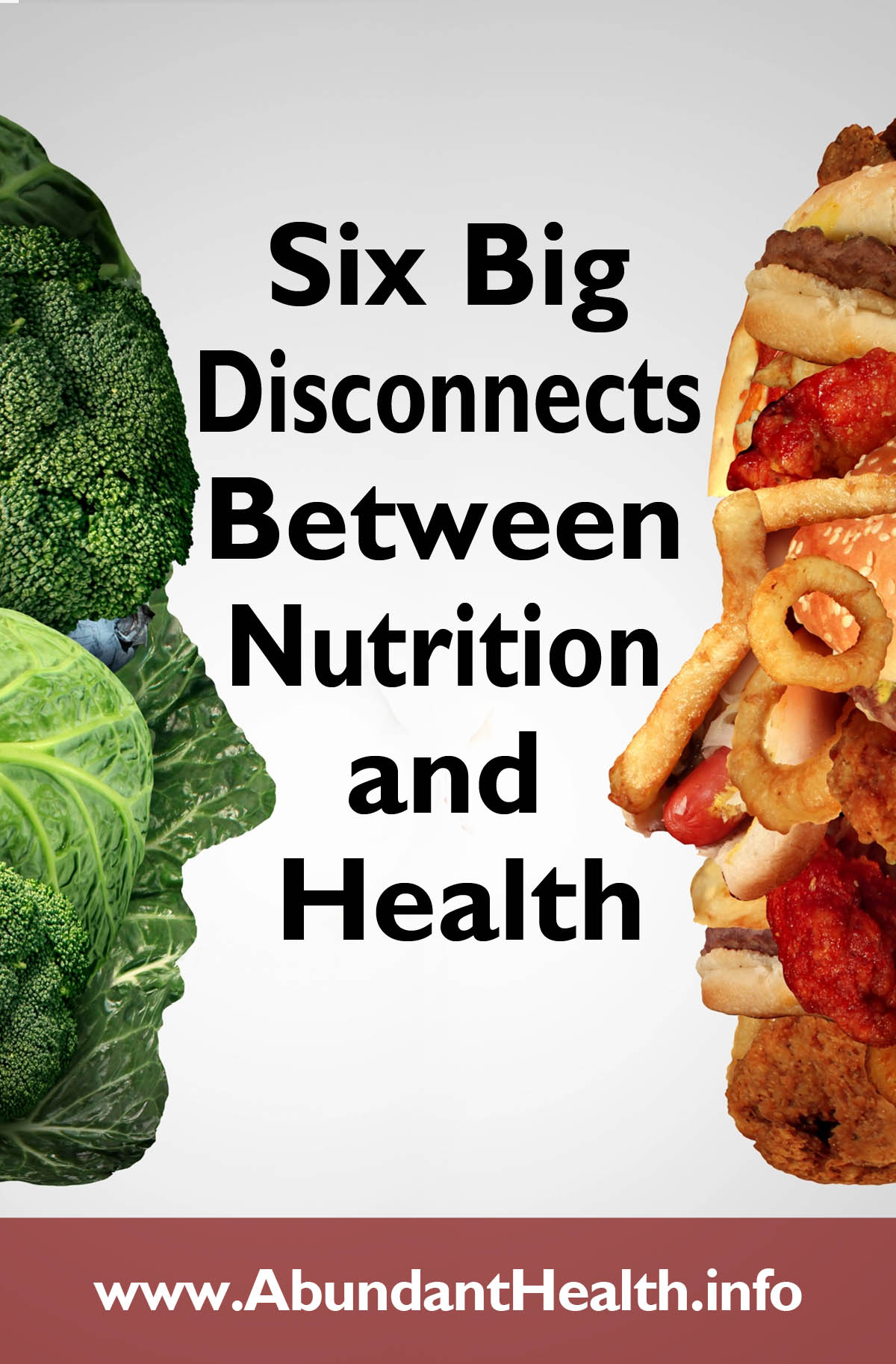
However, within this wide realm of prevention strategies, most Americans unfortunately fall short when it comes to their daily food choices. Many may be willing to spend a ton of money on supplements in an attempt to prevent disease, but they give little thought to the role nutrition plays in the prevention, halting, and reversal of disease. Knowledge regarding the well-proven connections between nutrition and health is sadly lacking in mainstream America. Here are a few of the “Big Disconnects” I observe most often:
Big Disconnect 1: Not Understanding the Cause and Effect of Food
We can all relate to the immediate pain that results from touching a hot stove or stepping on a sliver. It’s quite easy in those instances to identify the current cause of pain as the red-hot burner or the splintered wood floor. Wouldn’t it be nice if such an immediate identifier were true of the three to five pounds of food we ingest each day? When it comes to a poor diet, the more time that elapses between food intake and the resulting negative effect, the more difficult it is to make the connection between the two; and the more unlikely we are to change our behavior or take any required action.
On the other hand, there are certain health conditions for which the cause of pain is easily identifiable; people with acid reflux, food allergies, or migraines may very well be able to trace their ailments to what they’ve recently consumed. For the most part, though, so little awareness exists between the consumption of bad foods and the resulting injury that people are simply not connecting the dots.
The Big Disconnect between wrong food choices and the resulting ailments might greatly be eliminated if we experienced chest pain immediately after eating a bacon cheeseburger, if our joints ached following a breakfast of glazed donuts, or if we felt our blood pressure spike after consuming fried chicken. Only then might people connect the dots and recognize the true health damage caused by the Standard American Diet.
Big Disconnect #2: Believing that Medications Erase the Problem
Taking medication for a chronic condition and believing the problem no longer exists ranks as another Big Disconnect I’ve witnessed over the years. Some of my clients consider themselves to be in excellent health despite the need for several lifestyle-related prescription meds, and they’re not alone. Many people taking meds for preventable conditions fall prey to a false sense of security when their biomarkers land within range or they begin to feel better. The typical American makes no meaningful lifestyle change because they reason that their health issues have been solved, and their doctors aren’t telling them otherwise.
But despite the symptom relief and better bloodwork, the chronic condition, along with its root cause, will continue to exist and most likely progress until the dietary environment needed to heal or reverse that condition is provided. Sadly, recent poll results reveal that in 2023, the number of U.S. adults who reported taking at least one prescription drug per day was 70%, which represents a fourteen percentage-point increase since 2019. Additionally, within that 70%, the largest group consists of those taking four or more medications daily.1)Civic Science, https://civicscience.com/a-growing-number-of-americans-report-taking-prescription-medications-daily/ Accessed September 28, 2024
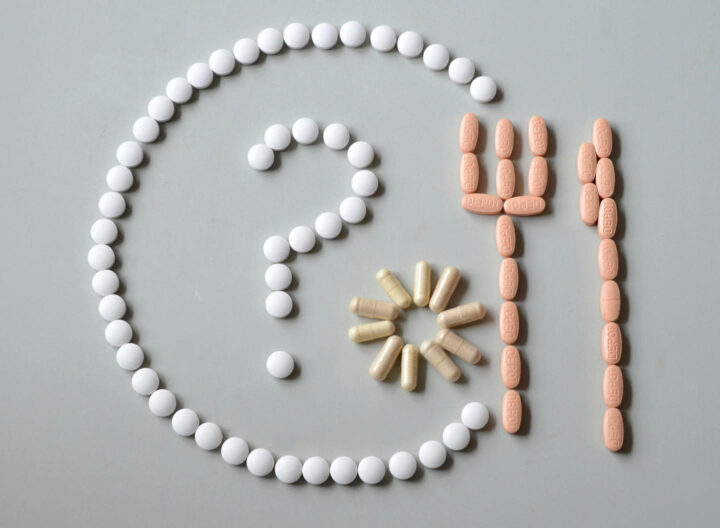
We sure have a lot of work to do when it comes to Big Disconnect #2. Convincing the general population that there are better options than a lifetime regimen of medications is no small task, but we’re making progress, and I’m so grateful for the growing number of Lifestyle Medicine doctors.
Big Disconnect #3: It Runs in My Family, So It’s Out of My Control
The third Big Disconnect deals with the misconception that diet and lifestyle don’t matter because “(disease X) runs in my family.” I’ve heard that expression countless times over the years from people who believe the genetic cards have been dealt and they’re powerless to prevent disease. For those living under the assumption that they have no control over their health because they’re pre-programmed for some malady, I have good news: Disease and disability are more preventable than you think—even if you are genetically predisposed. There’s a big difference between being born with a gene (genetic predisposition) and whether or not that gene will develop into disease (genetic expression).
Suppose you were born with a predisposition for colorectal cancer. Your food choices remain by far the greatest determinant of whether or not you’ll develop cancer. Non-genetic factors such as poor diet and lifestyle habits account for up to 90 percent of the cases of our top killers.2)Dr. Michael Greger and Gene Stone, How Not to Die (New York, Flatiron Books, 2015), 12
Nutritional biochemist Dr. T. Colin Campbell, author of The China Study, Whole: Rethinking the Science of Nutrition, and The Low-Carb Fraud, has spent decades in the area of nutrition research. One article he’s authored reveals how the gene responsible for liver cancer can be dramatically repressed by consuming less animal protein, thereby delaying or preventing liver cancer. He also points out that the production of enzymes, which are the main products of gene expression, can be markedly controlled by what we eat.3)Dr. T. Colin Campbell, “Are Genes Hazardous to Your Health.” Dated August 3, 2010. Accessed January 14, 2018. http://nutritionstudies.org/genes-hazardous-health/ Research regarding the Alzheimer gene (ApoE4) also convincingly demonstrates that diet trumps genes in the expression of this dreaded disease, with saturated fat intake and mid-life cholesterol levels being factors in the development of dementia.4)Dr. Neal Barnard, Power Foods for the Brain (New York, Grand Central Life & Style, 2013), 50-56
Remember that genetics may load the gun, but lifestyle pulls the trigger. Genes can only establish the potential for disease—they do not represent a guaranteed diagnosis. While certain diseases certainly do tend to run in families, current research demonstrates that people are giving their genetic makeup way too much credit for their ailments, and, in some cases, perhaps using their genetics as a handy excuse to avoid making any lifestyle change.
The biggest risk factor for disease that typically runs in families is the diet and lifestyle pattern that’s been passed down from the parents. Switching to a whole food, plant-based diet is your best defense to prevent, halt, and reverse disease, regardless of your genetic makeup. With a dire family history of heart disease, stroke, cancer, and diabetes, I’m relieved to know that it’s so.
Big Disconnect #4: Making Small Changes and Expecting Big Results
Some people are comfortable with making only small dietary changes, while some who are convinced by today’s evidence choose to jump in and make a total dietary conversion overnight. Still others fall somewhere in between—they make a series of small changes, but with a firm goal toward total conversion.
For those who wade into the waters more slowly, every small change toward a whole-food, plant-based diet is indeed a step in the right direction. While I never want to discourage even small, positive changes, it must be noted that the overall dietary pattern matters greatly. Merely removing or adding a few different foods to the Standard American Diet is unlikely to result in any substantial health improvement.
For example, including flax seed in a dairy-based smoothie, adding a few broccoli florets to a beef stir fry, or topping a high-fat cheesecake with a few blueberries is not likely to produce the profound change in one’s health that people expect. And when they don’t see immediate weight loss or health improvements, folks often assume the “healthy diet” isn’t working and they throw in the towel. The thinking goes something like this: “I’m making ALL these changes, but I haven’t lost a pound and my cholesterol is still high. Might as well eat whatever I want.” Enter Big Disconnect #4: Making small dietary changes and expecting big weight loss or big health improvement.

Committing to making small changes is commendable, and if that’s your personality, then by all means go for it. But please know that making small changes should not be the end goal. It should be the catalyst for continued change until the overall dietary pattern is one that promotes health. It’s imperative to continue moving forward with those changes on a regular basis—ideally within a specified time frame—toward the end goal of getting the dairy products, meats, and high-fat desserts out of the diet altogether. Keep moving forward until the diet you are designed to eat becomes your daily overall pattern of eating.
Big Disconnect #5: Everything Sold at a Health Food Store is Healthy
While conducting classes or coaching people individually, I’ve been surprised by the number of people who hold the assumption that everything sold at the health food store is actually healthy. This unfortunate misconception stems from a combination of savvy product marketing and uninformed consumers. While it’s true that compliant products can indeed be found at today’s health food chains, there are also many items on the shelves which are nothing more than junk food with a fancier label and higher price.
The first thing to do when considering a purchase in any store is to ignore any crafty claims on the box. Product packaging can be very deceptive. The words Light, Natural, Organic, Gluten-Free, Fat-Free, No Cholesterol and other assertions are terms manufacturers use to lure you into purchasing their products. But just because a product says “all natural” or “organic” on the front of its packaging does not mean the nutritional content is healthy. Whether it’s organic or not, a cookie is still a cookie which can be filled with refined flour, sugars, and added fats.
The best way to determine if a product is healthy is by first reading the ingredient list. You’ll often need to look no further to know whether the product should go in your cart or stay on the shelf. Products to beware of include fake meats and cheeses, coconut butter, protein energy bars and shake mixes, cereals, crackers and corn chips, vegan ice creams, and certain nut butters. These products are highly processed items which may contain added fats, isolated soy proteins, dairy proteins such as whey or casein, excessive sugar, sodium, chemicals, additives, preservatives, and food dyes. Even frozen meals, packaged soups, and granola bars can fall into the category of “ultra-processed food.”
I’ve developed an in-depth label reading class which provides tips to help sort through the confusion, but for now, be mindful that many health food products are anything but healthy and would not be suitable for an optimal eating plan. Instead, focus on low-fat, whole plant foods and eat as close to nature as possible. When you do purchase packaged items, choose minimally processed foods with a short, recognizable ingredient list, and be mindful to limit the amount of packaged foods you consume.
Big Disconnect #6: Allowing for Unexamined Moderation
“Everything in moderation” is a common expression often used to justify the consumption of junk (or less-than-optimal) foods. However, moderate amounts of risky foods have no place in a health-promoting plan for several reasons. To begin with, the vague definition of moderation is very subjective, and no two people in the room will have the same interpretation.
Moderation is defined as “the avoidance of excess or extreme,” but what does that mean to us personally? Does moderation apply to the quality of the food, the quantity of food, or both? Does it mean drinking one can of soda per week? Or does it mean drinking one can of soda per day? Is it OK to eat fried onion rings once a week? Or just whenever we’re at the local restaurant? How many sodas or servings of fried onion rings are considered too much? At what point do we cross the line, and when do we actually say no? How often do we give conscious thought to our moderation boundaries?
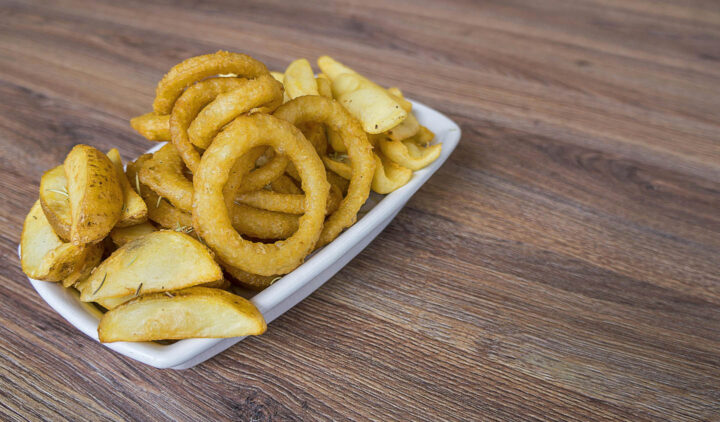
It’s not uncommon for friends to tell me of their moderation rationalizations, especially if we’re dining out together and they’ve chosen poorly from the menu. I’ve observed that most of those rationalizations have to do with the type of food they’re consuming, not the amount. But what if someone allows for one pastry at the Tuesday work meeting, a few chips with dip at Wednesday’s game night, a delivered pizza for Sunday’s NFL game, an occasional can of pop at the gas station, a special treat each week at the store, a questionable creamer in their daily coffee, and a caramel latte when running errands?
Within a short time frame, they’ve consumed several damaging foods that undermine their health and serve to keep any food addictions alive and kicking. Allowing for certain amounts of animal-based foods, fast food, and high fat/sugary treats on a “moderately” regular basis can easily derail our health and weight loss efforts, especially when we fail to consider all of those choices as part of our overall pattern; that’s why it’s important we examine ourselves in this area.
In his book Prevent and Reverse Heart Disease, Dr. Caldwell Esselstyn includes a chapter titled “Moderation Kills” in which he references a meta-analysis review demonstrating that heart patients who moderately reduce their fat intake are able to slow the progression of heart disease, but the disease does continue to progress and eventually takes its toll.5)Dr. Caldwell B. Esselstyn, Prevent and Reverse Heart Disease (New York, Penguin Group, 2008),35-36
Another study published in 2015 of more than 6,800 adults assessed diets of moderation against obesity and type 2 diabetes; the study concluded that those consuming the most diverse foods actually had the worst diets due to eating less fruit and vegetables and more processed meats, desserts, and soft drinks. The researchers concluded:
Our findings provide little evidence for benefits of diet diversity for either abdominal obesity or diabetes. Greater dissimilarity among foods was actually associated with gain in waist circumference. These results do not support the notion that “eating everything in moderation” leads to greater diet quality or better metabolic health.6)Oliveira Otto MC, Padhye NS, Bertoni AG, Jacobs DR Jr, Mozaffarian D. “Everything in Moderation—Dietary Diversity and Quality, Central Obesity and Risk of Diabetes.” PLoS ONE Journal, October 30, 2015. https://doi.org/10.1371/journal.pone.0141341
The attractive trap of moderation is one of those slippery slopes to be avoided. Once we give ourselves permission to eat harmful foods in moderation, the clear cut line of what foods are off limits becomes blurred and we’ve weakened our commitment to the pursuit of health. Instead, let’s strive to choose health-promoting foods whenever we eat. Let’s sow the seeds of exceptional health versus moderate health in order to reap the optimal outcomes we desire.

Stay Always Up to Date
Sign up to our newsletter and stay always informed with news and tips around your health.

Cyd Notter is a Center for Nutrition Studies Certified Professional, a Licensed PCRM Food for Life Instructor, a Certified Starch Solution Instructor, and a former Certified Health Educator for Wellness Forum Health. She’s also a past newspaper columnist and the author of the award-winning book The “Plan A” Diet.
References
| ↑1 | Civic Science, https://civicscience.com/a-growing-number-of-americans-report-taking-prescription-medications-daily/ Accessed September 28, 2024 |
|---|---|
| ↑2 | Dr. Michael Greger and Gene Stone, How Not to Die (New York, Flatiron Books, 2015), 12 |
| ↑3 | Dr. T. Colin Campbell, “Are Genes Hazardous to Your Health.” Dated August 3, 2010. Accessed January 14, 2018. http://nutritionstudies.org/genes-hazardous-health/ |
| ↑4 | Dr. Neal Barnard, Power Foods for the Brain (New York, Grand Central Life & Style, 2013), 50-56 |
| ↑5 | Dr. Caldwell B. Esselstyn, Prevent and Reverse Heart Disease (New York, Penguin Group, 2008),35-36 |
| ↑6 | Oliveira Otto MC, Padhye NS, Bertoni AG, Jacobs DR Jr, Mozaffarian D. “Everything in Moderation—Dietary Diversity and Quality, Central Obesity and Risk of Diabetes.” PLoS ONE Journal, October 30, 2015. https://doi.org/10.1371/journal.pone.0141341 |
Leave a Reply