Scientists are having to develop new paradigms regarding human nutrition and health. In the past, it was believed that dietary needs were achieved by ingesting adequate amounts of both macronutrients (carbohydrates, fats and proteins) and the micronutrients (vitamins and minerals). Discoveries in the last decades have highlighted the importance of other minor dietary constituents, hitherto believed to be relatively unimportant. Data from many studies suggests that an ample intake of these active plant substances (called phytochemicals) is essential for optimal health.
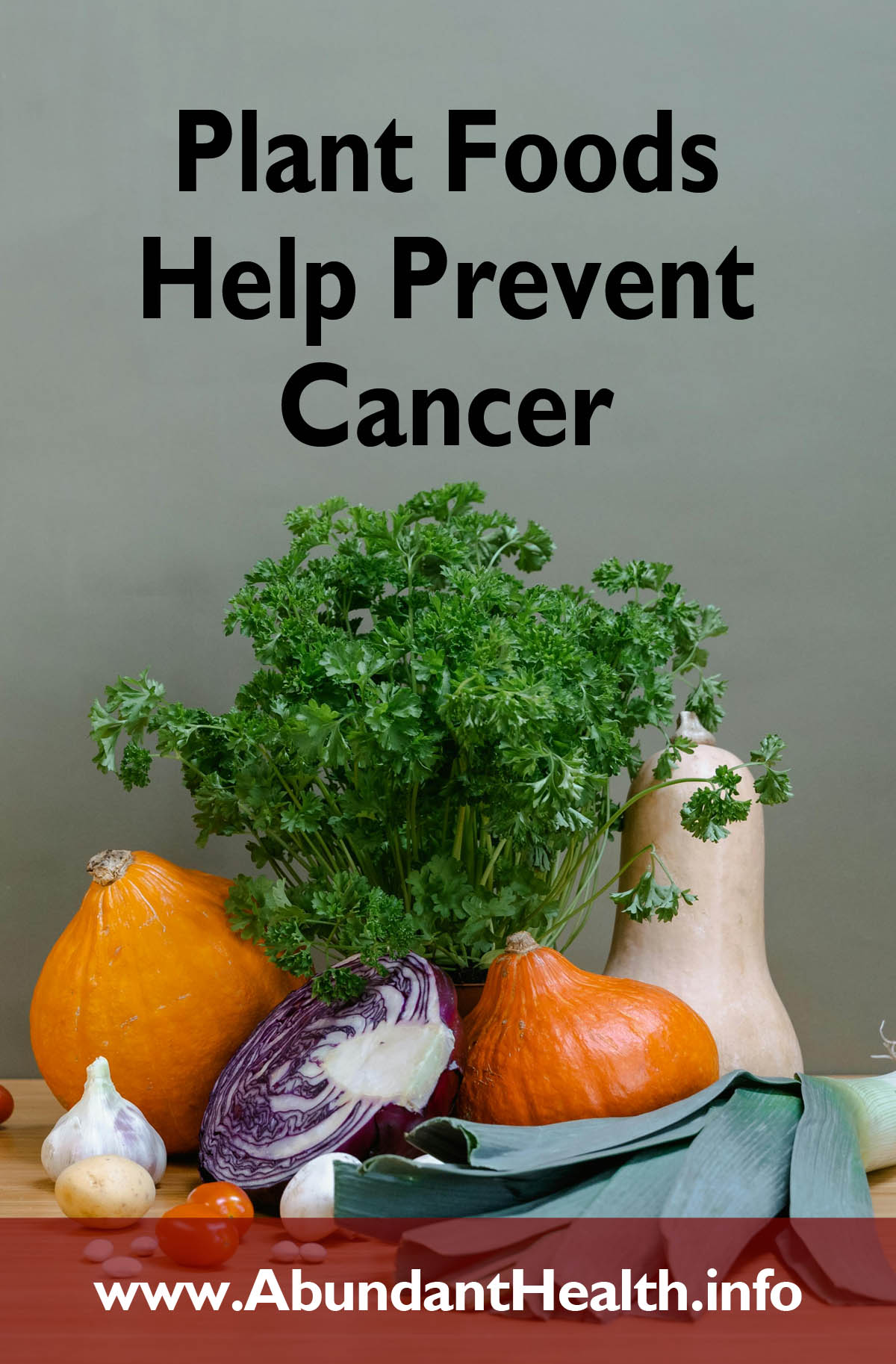
While scientists had focused on the three antioxidant vitamins (A,C and E), they now realize that the variety of phytochemicals that are so abundant in vegetables, fruits, and whole grains convey a variety of properties, including the alleviation of, or reduction in the risk of, high blood pressure, elevated blood lipids, cancer and other diseases and disorders.
Hippocrates once wrote “Let food be your medicine.” The reality of this statement has taken on new
meaning as scientists discover a host of phytochemicals in plant foods with mild beneficial pharmacological activity. Interest in the pharmacological properties of food is evidenced by the fact that books such as “The Food Pharmacy” by Jean Carper is a national bestseller. This book features a pharmacopoeia of over 50 foods from apples to yogurt. The emergence of interest in food pharmacy in the United States is probably due to a growing respect for traditional medicine, a fascination with holistic medicine, and a greater understanding of the impact of diet on disease.
Cancer-Protective Foods
There are at least three dozen foods that have been shown to have cancer-preventive properties. Scientists at the National Cancer Institute have studied these foods to identify their active substances. The foods containing the most active cancer-protective chemicals include soy, garlic and onions, flaxseed, licorice, cabbage, citrus and the umbelliferous vegetables (carrots, celery, parsley, coriander). Other foods include cruciferous vegetables (broccoli, cauliflower, kale, Brussels sprouts), solanaceous vegetables (tomatoes, eggplant, peppers), whole grains, turmeric, and certain herbs (such as rosemary, basil, sage, tarragon, thyme and oregano), and berries.1)Caragay, A.B. Cancer-Preventive Foods and Ingredients. Food Tech 46:65-68, 1992.

In addition to the antioxidant vitamins A, C, and E, these foods contain about a dozen classes of active phytochemicals that are believed to possess anti-tumor properties. These substances include flavonoids, sulfides, terpenoids, indoles, phenolics, coumarins, carotenoids, lignans, polyacetylenes, phthalides and others. Many of these substances occur in small amounts but work together to provide a wall of defense against cancer. There is, in general, a whole variety of protective factors found in plant foods such as fruits, vegetables, nuts and grains.2)Caragay, A.B. Cancer-Preventive Foods and Ingredients. Food Tech 46:65-68, 1992.
There are over 800 flavonoids and 600 carotenoids found scattered throughout the plant kingdom. These antioxidants are found in a variety of fruits and vegetables. Genistein, an isoflavone found in soybean, is one example of a flavonoid with anti-tumor properties.3)Fotsis, T., M. Pepper et al. Genistein, a Dietary-Derived Inhibitor of in vitro Angiogenesis. Proc Nat! Acad Sci 90:2690-2694, 1993 Citrus fruits are also endowed with a wide variety of active flavonoids and other phytochemicals that protect cell membranes, inhibit tumors, and block cholesterol synthesis and hormone action.
Plant Substances that Protect Against Cancer
| Inhibitor | Typical Dietary Source |
|---|---|
| Carotenoids | Carrots, leafy vegetables, mango, pumpkin |
| Coumarins & lactones | Citrus fruits, vegetables |
| Fibers | Cereals, fruits, vegetables |
| Indoles | Brussel sprouts, cabbage, cauliflower |
| Plant phenolics | Soybeans, oats, apples, potatoes |
| Protease inhibitors | Soybeans, seeds, nuts, legumes |
| Selenium compounds | Grains, Brazil nuts |
| Vitamin C | Citrus fruits, vegetables |
| Vitamin E | Nuts, seeds, oils, asparagus |
Help from Pigments
The carotenoid pigments, such as lycopene in tomatoes and beta-carotene in carrots, broccoli, pumpkin, squash and peaches, provide protection from free radical cellular damage, enhance immune function and regulate cell differentiation and cell proliferation.4)Bendich, A. A Role for Carotenoids in Immune Function. Clin Nutr 7:113-117, 1988. All of this provides an umbrella of protection against cells becoming cancerous. The yellow pigments in turmeric, curcumin I and III, have been shown to inhibit cancer and also to possess anti-inflammatory activity.5)Nagabhushan, M. and S.V. Bhude. Curcumin as an Ingibitor of Cancer. J Am Coll Nutr 11:192-198, 1992.
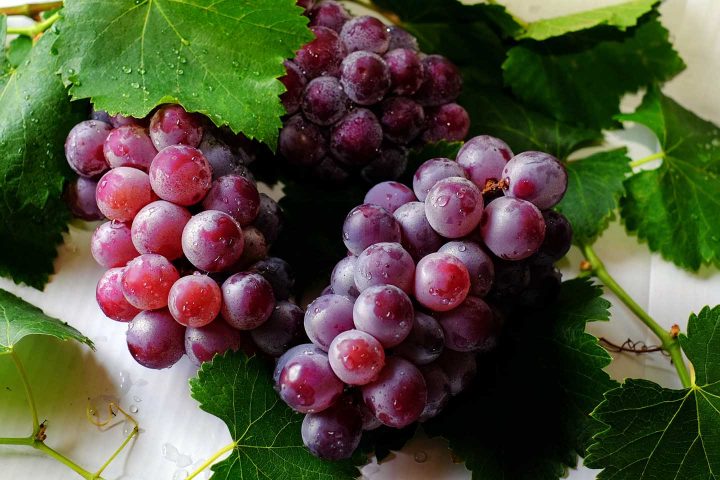
Anthocyanins are bluish or reddish pigments found in many vegetables and fruits such as grapes, cherries, black currants, strawberries, raspberries, blueberries and other edible berries. Over 150 anthocyanins exist in nature. These heat sensitive substances are known to block the synthesis of cholesterol. Many of the phytochemicals which have antioxidant properties provide protection not only against cancer but also cardiovascular disease.6)Hertog, M.G.L., E.J. M. Feskens, et al. Dietary Antioxidant Flavonoids and Risk of Coronary Heart Disease: the Zutphen Elderly Study. Lancet 342:1007-1011, 1993. A regular consumption of these phenolic substances decreases the tendency of blood clots to form. It also blocks the oxidation of LDL cholesterol. Oxidized cholesterol is suspected of being the major villain in promoting atherosclerosis.7)Kinsella, J.E., E. Frankel, et al. Possible Mechanisms for the Protective Role of Antioxidants in Wine and Plant Foods. Food Tech 47:85-89, 1993.
More Fruits and Vegetables Needed
An increased use of fruits and vegetables is being recommended by many health organizations for optimal health. Populations who regularly consume high levels of fruits and vegetables have greatly reduced levels of cancer and generally lower death rates. Those eating cabbage at least once a week, for example, have only one-third as much colon cancer as those eating cabbage less than once per month.8)Graham, S., H. Dayal, et al. Diet in the Epidemiology of the Cancer of the Colon and Rectum. J Nat! Cancer Ins t 61:709714, 1978.
The 2026 Food Pyramid recommends a daily intake of 5 to 9 servings a day of fruits and vegetables. A national survey found that only nine percent of Americans consume the recommended 5 or more servings of fruits and vegetables every day. It was also found that as many as 45 percent of Americans do not consume any fruit and 27 percent do not consume any vegetable on any given day.9)Patterson, B., et al. Fruits and Vegetables in the American Diet. Am J Publ Health 80:1443-1449, 1990.
The national “5-a-Day for Better Health” program was launched years ago to promote a greater consumption of fruits and vegetables. This program recommends that we should consume at least 5 servings of fruits and vegetables every day, including at least one vitamin A-rich and one vitamin C-rich selection. It is also recommended that one eat a vegetable from the cabbage family several times a week.
Cancer Promoters
Last year, cancer accounted for over one-half of a million deaths in the United States, with 2 million new cases of cancer being diagnosed. About one-third of all deaths due to cancer are believed to be caused by an improper diet. The major culprits include alcohol, a high-fat low-fiber diet, a regular use of meat, and a low intake of fruits and vegetables.
It is observed throughout the world, that as the consumption of animal fat increases, the death rate from many cancers increases.10)Committee on Diet and Health, Food and Nutrition Board, National Research Council. Diet and Health. Implications for Reduction of Chronic Disease. National Academy Press, Washington, D.C., 1989. Alcohol consumption is associated with increased risk of cancer of the liver, pancreas and the upper gastrointestinal tract, such as the mouth, esophagus, pharynx, and larynx. Women who drink have a higher risk of breast cancer, even if they have as few as 3 drinks per week. Beer intake is also associated with colon and rectal cancer.11)Caragay, A.B. Cancer-Preventive Foods and Ingredients. Food Tech 46:65-68, 1992.
Breast Cancer
About one in every nine women will develop breast cancer at some time during her lifetime. Last year breast cancer claimed 42,000 lives in the United States. The incidence of breast cancer has been associated with such dietary factors as a high intake of calories, fat, and alcohol and a decreased intake of fruits and vegetables.12)Committee on Diet and Health, Food and Nutrition Board, National Research Council. Diet and Health. Implications for Reduction of Chronic Disease. National Academy Press, Washington, D.C., 1989. While the risk of breast cancer is very closely related to hormonal status, dietary factors may contribute to the risk of cancer by influencing hormone levels.

The high-fat, high-calorie diet and sedentary lifestyle that leads to obesity facilitates the development of breast cancer while a low-fat vegetarian diet seems to be protective. Studies in Japan revealed that women who ate meat daily had four times the risk of breast cancer compared to those who consumed meat less than once a week. The regular use of other animal products such as eggs, butter and cheese also increased the risk of breast cancer by 23 fold. A high intake of animal products is usually associated with a low intake of fruits and vegetables.13)Committee on Diet and Health, Food and Nutrition Board, National Research Council. Diet and Health. Implications for Reduction of Chronic Disease. National Academy Press, Washington, D.C., 1989.
Colon Cancer
Colon cancer is the fourth most frequently diagnosed cancer in the United States. Last year, over 55,000 deaths resulted from cancers of the colon and rectum. What type of diet increases the risk of colon cancer? Evidence points to a high-fat, low-fiber diet, containing few fruits and vegetables.14)Committee on Diet and Health, Food and Nutrition Board, National Research Council. Diet and Health. Implications for Reduction of Chronic Disease. National Academy Press, Washington, D.C., 1989. A study in Adelaide, Australia revealed that greater intakes of legumes, onions, carrots, cabbage, green leafy vegetables and fruits were associated with a 25 to 50 percent reduction in risk of colon cancer, while red meat and poultry, seafoods, dairy products and especially egg consumption were associated with an increased risk of colon cancer.15)Syeinmetz, K.A., and J.D. Potter. Food-group Consumption and Colon Cancer in the Adelaide Case-Control Study. 1. Vegetables and Fruit. Int J Cancer 53:711-719, 1993. II Meat, Poultry, Seafood, Dairy Foods and Eggs. Int J Cancer 53:720-272, 1993.
Data from the famous China Study (from Colin Campbell) revealed that death rates from colon cancer in China are less than 40% those of the death rates in the United States. On the average, the Chinese eat three times more fiber than Americans and only one-third as much fat. Dr. Graham showed that the risk of colon cancer was twice as high in people who ate vegetables less than five times a week compared to those who regularly ate vegetables (at least twice a day). A study in Boston recently confirmed the important role of meat consumption in the development of colon cancer.

The risk of colon cancer in women who ate beef, pork or lamb as a main dish every day was found to be two and a half times greater than for the women who consumed those meats less than once a month.16)Willett, W.C.. M.J. Stampfer, et al. Relation of Meat, Fat, and Fiber Intake to the Risk of Colon Cancer in a Prospective Study Among Women. N Eng J Med 323:1664-1672, 1990. Vegetarians have lower rates of bowel cancer, possibly due to their high intake of fiber-rich fruits and vegetables that contain carotenoids, vitamin C, flavonoids and other protective substances.
Scientists in Northern Italy confirmed the association between the use of meat and alcohol and a high risk of colo-rectal cancer. On the other hand, the consumption of vegetable such as tomatoes, carrots, and spinach, and whole-grain bread and pasta was found to be protective against colo-rectal cancer.17)Bidoli, E. et al. Food consumption and Cancer of the Colon and Rectum in North Eastern Italy. Int J Cancer 50:223-229, 1992
Conclusion
To reduce our risk of cancer we should eat less fat, eliminate meat and alcohol from our diet, maintain an ideal body weight and add more fiber-rich cereals, fruits and vegetables to our diet. Since fruits and vegetables contain vitamin C, carotenoids, flavonoids and other plant phenolics, fiber, indoles and many other protective factors, an increased consumption would be associated with achieving optimal health. To this end we should consume at least five servings of fruits and vegetables every day.

Stay Always Up to Date
Sign up to our newsletter and stay always informed with news and tips around your health.

Winston is Professor of Nutrition and Director of the dietetics internship program at Andrews University in Berrien Springs, Michigan, where he has taught health and nutrition classes since 1987.
References
| ↑1, ↑2, ↑11 | Caragay, A.B. Cancer-Preventive Foods and Ingredients. Food Tech 46:65-68, 1992. |
|---|---|
| ↑3 | Fotsis, T., M. Pepper et al. Genistein, a Dietary-Derived Inhibitor of in vitro Angiogenesis. Proc Nat! Acad Sci 90:2690-2694, 1993 |
| ↑4 | Bendich, A. A Role for Carotenoids in Immune Function. Clin Nutr 7:113-117, 1988. |
| ↑5 | Nagabhushan, M. and S.V. Bhude. Curcumin as an Ingibitor of Cancer. J Am Coll Nutr 11:192-198, 1992. |
| ↑6 | Hertog, M.G.L., E.J. M. Feskens, et al. Dietary Antioxidant Flavonoids and Risk of Coronary Heart Disease: the Zutphen Elderly Study. Lancet 342:1007-1011, 1993. |
| ↑7 | Kinsella, J.E., E. Frankel, et al. Possible Mechanisms for the Protective Role of Antioxidants in Wine and Plant Foods. Food Tech 47:85-89, 1993. |
| ↑8 | Graham, S., H. Dayal, et al. Diet in the Epidemiology of the Cancer of the Colon and Rectum. J Nat! Cancer Ins t 61:709714, 1978. |
| ↑9 | Patterson, B., et al. Fruits and Vegetables in the American Diet. Am J Publ Health 80:1443-1449, 1990. |
| ↑10, ↑12, ↑13, ↑14 | Committee on Diet and Health, Food and Nutrition Board, National Research Council. Diet and Health. Implications for Reduction of Chronic Disease. National Academy Press, Washington, D.C., 1989. |
| ↑15 | Syeinmetz, K.A., and J.D. Potter. Food-group Consumption and Colon Cancer in the Adelaide Case-Control Study. 1. Vegetables and Fruit. Int J Cancer 53:711-719, 1993. II Meat, Poultry, Seafood, Dairy Foods and Eggs. Int J Cancer 53:720-272, 1993. |
| ↑16 | Willett, W.C.. M.J. Stampfer, et al. Relation of Meat, Fat, and Fiber Intake to the Risk of Colon Cancer in a Prospective Study Among Women. N Eng J Med 323:1664-1672, 1990. |
| ↑17 | Bidoli, E. et al. Food consumption and Cancer of the Colon and Rectum in North Eastern Italy. Int J Cancer 50:223-229, 1992 |
Leave a Reply