The word resilience can be perplexing. Does it mean remaining calm when faced with stress? Bouncing back quickly? Growing from adversity? Is resilience an attitude, a character trait or a skill set? And can misperceptions about resilience hurt people, rather than help?
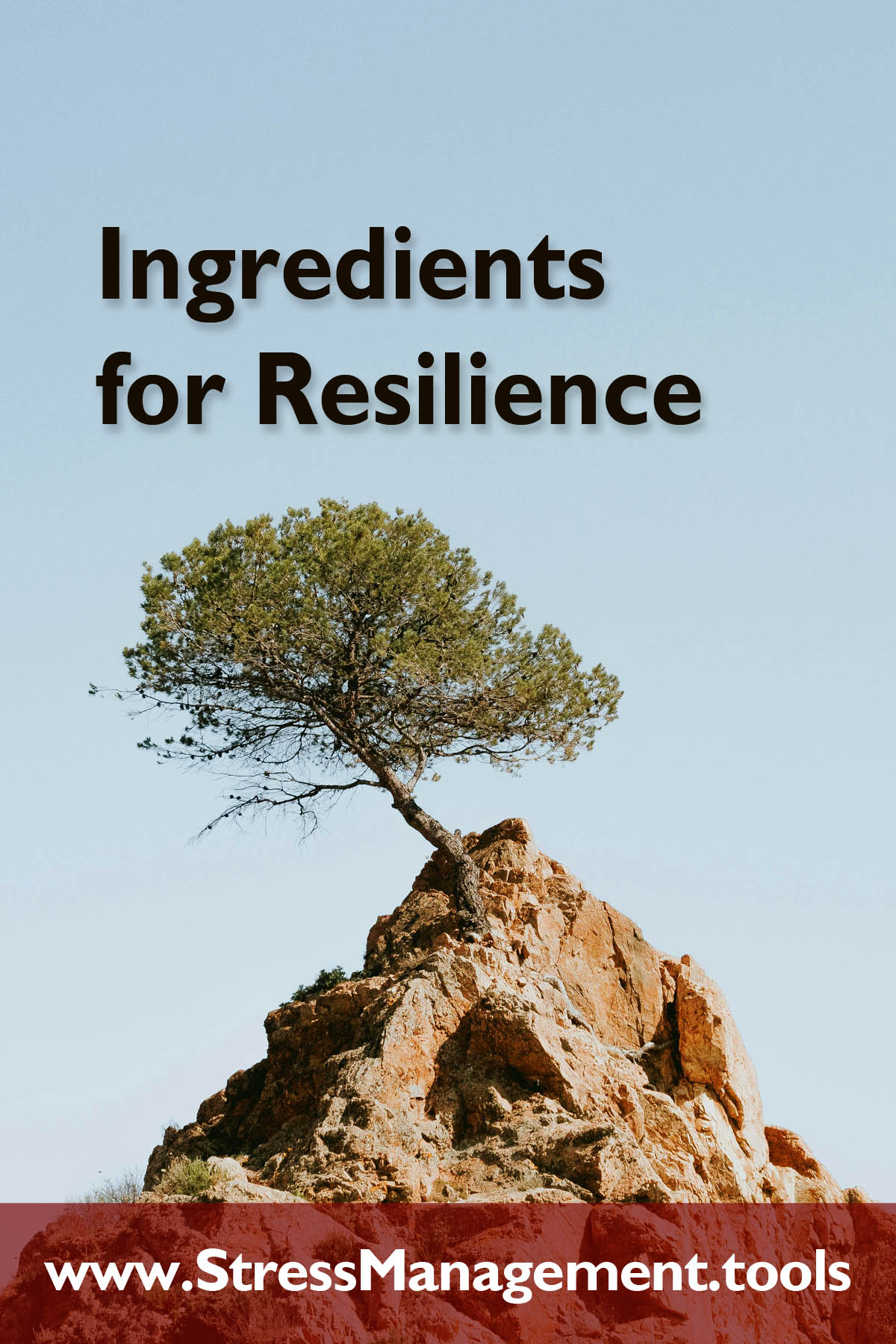
To sum it up in a sentence: Resilience is the ability to manage stress in effective ways.1)Smith, B.W., Dalen, J., Wiggins, K. et al. The brief resilience scale: Assessing the ability to bounce back. Int. J. Behav. Med. 15, 194–200 (2008). https://doi.org/10.1080/10705500802222972 It’s not a static quality or attribute you’re born with, or a choice of attitude. Instead, it’s a set of skills that can be developed by repeating specific behaviors. As a clinical psychologist, researcher and educator specializing in training people to cope with stress more effectively, I know that resilience can be developed.2)Joyce S, Shand F, Tighe J, et al. Road to resilience: a systematic review and meta-analysis of resilience training programmes and interventions. BMJ Open 2018;8:e017858. doi: 10.1136/bmjopen-2017-017858
But as with physical fitness, you can’t get stronger abs by just wanting them. Instead, you have to repeat specific exercises that make your abs stronger; intention alone just won’t do it.
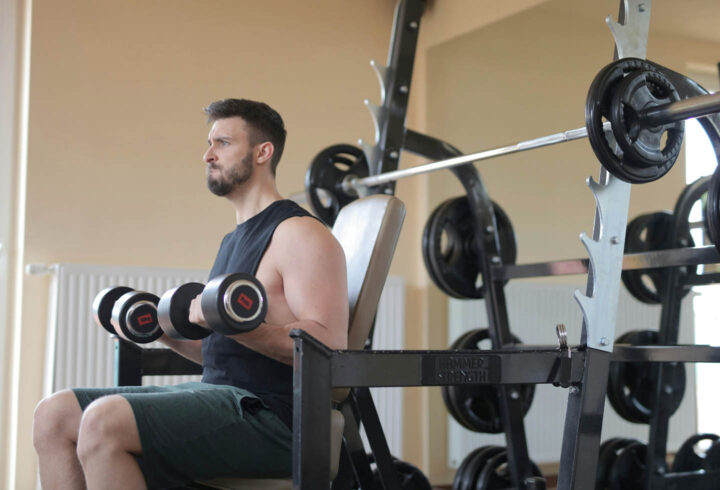
Cultivating resilience is much the same. Like physical fitness, resilience is not a single quality but rather many ingredients that contribute differently to a range of strengths and situations. For instance, one may handle relationship issues rather well but be unable to cope with the stress of a traffic jam.
Some building blocks of resilience are factors that are largely beyond one’s control, such as greater income and education and having supportive environments.3)Festerling, L., Buentzel, J., Fischer von Weikersthal, L. et al. Resilience in cancer patients and how it correlates with demographics, psychological factors, and lifestyle. J Cancer Res Clin Oncol 149, 5279–5287 (2023). https://doi.org/10.1007/s00432-022-04480-6
Cooke, F.L., Wang, J. and Bartram, T. (2019), Can a Supportive Workplace Impact Employee Resilience in a High Pressure Performance Environment? An Investigation of the Chinese Banking Industry. Applied Psychology, 68: 695-718. https://doi.org/10.1111/apps.12184 Some are things you can do in your daily life, such as exercise, hobbies and activities, and getting adequate sleep.4)Kristin L. Szuhany, Matteo Malgaroli, George A. Bonanno, Physical activity may buffer against depression and promote resilience after major life stressors, Mental Health and Physical Activity, Volume 24, 2023, 100505, ISSN 1755-2966, https://doi.org/10.1016/j.mhpa.2023.100505
Schwartz CE, Zhang J, Stucky BD, et al. Is the link between socioeconomic status and resilience mediated by reserve-building activities: mediation analysis of web-based cross-sectional data from chronic medical illness patient panels. BMJ Open 2019;9:e025602. doi: 10.1136/bmjopen-2018-025602
Teresa Arora, Ian Grey, Linda Östlundh, Asma Alamoodi, Omar M. Omar, Kin-Bong Hubert Lam, Michael Grandner, A systematic review and meta-analysis to assess the relationship between sleep duration/quality, mental toughness and resilience amongst healthy individuals, Sleep Medicine Reviews, Volume 62, 2022, 101593, ISSN 1087-0792, https://doi.org/10.1016/j.smrv.2022.101593 Other facets might take more time to develop, such as nourishing supportive relationships,5)Hartling, L. M. (2008). Strengthening Resilience in a Risky World: It’s All About Relationships. Women & Therapy, 31(2–4), 51–70. https://doi.org/10.1080/02703140802145870 building skills for tolerating distress6)Tull M. What Is Distress Tolerance? Very Well Mind, September 17, 2025 and regulating emotions,7)Emotional Regulation Skills. DBT Tools incorporating spirituality or religion8)Schwalm FD, Zandavalli RB, de Castro Filho ED, Lucchetti G. Is there a relationship between spirituality/religiosity and resilience? A systematic review and meta-analysis of observational studies. Journal of Health Psychology. 2021;27(5):1218-1232. doi:10.1177/1359105320984537 and practicing less self-criticism9)Goldsmith Turow R. The Self-Talk Workout. Shambala Publications, 2022 and more self-compassion.10)Trompetter, H.R., de Kleine, E. & Bohlmeijer, E.T. Why Does Positive Mental Health Buffer Against Psychopathology? An Exploratory Study on Self-Compassion as a Resilience Mechanism and Adaptive Emotion Regulation Strategy. Cogn Ther Res 41, 459–468 (2017). https://doi.org/10.1007/s10608-016-9774-0
Resilience can be cultivated
Confusing connotations about resilience pervade not only the scientific literature and mental health approaches but also popular culture. The idea that difficult experiences make someone resilient is incorrect, or at least incomplete.
During the first year of the COVID-19 pandemic, I heard people claim that “children are resilient.” However, one of the largest research investigations about difficult childhood experiences, the Adverse Childhood Experiences study, conducted in the 1990s at Kaiser Permanente with over 17,000 adults, established that cumulative stressors experienced in childhood impair both mental and physical health. It also found that more stress predicts worse outcomes.11)About the CDC-Kaiser ACE Study. CDC Website
Edwards V et.al. Relationship Between Multiple Forms of Childhood Maltreatment and Adult Mental Health in Community Respondents: Results From the Adverse Childhood Experiences Study. https://doi.org/10.1176/appi.ajp.160.8.14
Waehrer GM, Miller TR, Silverio Marques SC, Oh DL, Burke Harris N (2020) Disease burden of adverse childhood experiences across 14 states. PLoS ONE 15(1): e0226134. https://doi.org/10.1371/journal.pone.0226134
Melissa T. Merrick, Katie A. Ports, Derek C. Ford, Tracie O. Afifi, Elizabeth T. Gershoff, Andrew Grogan-Kaylor, Unpacking the impact of adverse childhood experiences on adult mental health, Child Abuse & Neglect, Volume 69, 2017, Pages 10-19, ISSN 0145-2134, https://doi.org/10.1016/j.chiabu.2017.03.016
What actually helped people be more resilient during the COVID-19 pandemic? Studies show that the same building blocks mentioned above helped people navigate the pandemic with greater well-being. Many of these same building blocks also improve people’s outcomes following other stressful experiences, such as unemployment, cancer, divorce and exposure to violence.12)Extremera, N., Rey, L. Health-related quality of life and cognitive emotion regulation strategies in the unemployed: a cross-sectional survey. Health Qual Life Outcomes 12, 172 (2014). https://doi.org/10.1186/s12955-014-0172-6
Ostadi-sefidan, Hosseina; Faroughi, Farnazb; Fathnezhad-Kazemi, Azitac. Resilience and its related factors among women with breast cancer. European Journal of Cancer Prevention 33(2):p 129-135, March 2024. | DOI: 10.1097/CEJ.0000000000000839
Sbarra, D. A., Smith, H. L., & Mehl, M. R. (2012). When Leaving Your Ex, Love Yourself: Observational Ratings of Self-Compassion Predict the Course of Emotional Recovery Following Marital Separation: Observational Ratings of Self-Compassion Predict the Course of Emotional Recovery Following Marital Separation. Psychological Science, 23(3), 261-269. https://doi.org/10.1177/0956797611429466
Yule, K., Houston, J. & Grych, J. Resilience in Children Exposed to Violence: A Meta-analysis of Protective Factors Across Ecological Contexts. Clin Child Fam Psychol Rev 22, 406–431 (2019). https://doi.org/10.1007/s10567-019-00293-1
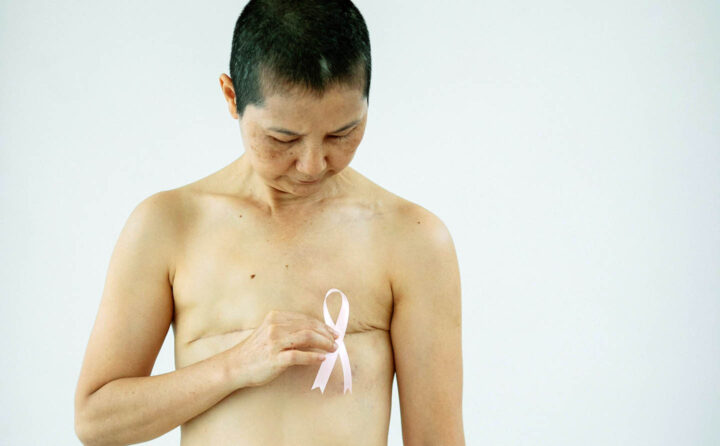
All of this says that resilience can flourish by incorporating specific behaviors and creating healthy environments. People often assume it’s optimal to remain relatively unaffected by stress – that is, to “get over it” quickly. In many cases, that might be the case. If you forget an important meeting, for example, a response of “Oh no! I need to apologize right away and reschedule” is probably healthier than punching a wall or concluding that you’re a terrible person.
But what if a relationship ends? Is it always best to get over it quickly, or could a longer reflection and healing process lead to deeper learning and growth? What looks like resilience could instead be suppressing, numbing or hiding feelings. Those tendencies are linked with worse mental health.13)Eftekhari, A., Zoellner, L. A., & Vigil, S. A. (2009). Patterns of emotion regulation and psychopathology. Anxiety, Stress, & Coping, 22(5), 571–586. https://doi.org/10.1080/10615800802179860
This is why the concept of resilience is somewhat nuanced; some people who seem resilient are just covering up, or coping in an unhealthy way – such as using alcohol to cope with difficult feelings.14)Rachel Mc Hugh, Orla McBride, Self-medicating low mood with alcohol use: Examining the role of frequency of alcohol use, quantity consumed and context of drinking, Addictive Behaviors, Volume 111, 2020, 106557, ISSN 0306-4603, https://doi.org/10.1016/j.addbeh.2020.106557
Sometimes painful feelings or experiences contribute to personal development. Post-traumatic growth refers to the positive changes that some people report after trauma, especially when they incorporate some of the resilience “building blocks” listed above.15)Calhoun, L. G., & Tedeschi, R. G. (2006). The Foundations of Posttraumatic Growth: An Expanded Framework. In L. G. Calhoun & R. G. Tedeschi (Eds.), Handbook of posttraumatic growth: Research & practice (pp. 3–23). Lawrence Erlbaum Associates Publishers.
Zhai, J., Newton, J., & Copnell, B. (2019). Posttraumatic growth experiences and its contextual factors in women with breast cancer: An integrative review. Health Care for Women International, 40(5), 554–580. https://doi.org/10.1080/07399332.2019.1578360 This includes better relationships, a greater appreciation of life and enhanced spiritual or philosophical understanding. Rather than expecting yourself to always feel good or to bounce back quickly, in some situations it may be wise to allow yourself to experience deeply challenging feelings and the personal growth that can ensue.
Resilience isn’t always the answer
Resilience is more complex than being mentally tough or not letting things get to you. Pressuring yourself to appear OK when you’re not – also known as emotional perfection – could make things worse and prevent you from seeking support.16)Robert L. Leahy, Emotional Schemas, Cognitive and Behavioral Practice, Volume 29, Issue 3, 2022, Pages 575-580, ISSN 1077-7229, https://doi.org/10.1016/j.cbpra.2022.02.004 Sometimes, changing stressful environments, such as a job or living situation, rather than just adapting to them is a healthier choice.17)Chamorro-Premuzic T, Lusk D. The Dark Side of Resilience. Harvard Business Review, August 16, 2017
This is why resilience can be a loaded term. Although coping with challenges has its place, for trauma survivors, people who have experienced racism or homophobia, or those living in regions especially affected by climate change, and many others, resilience falls flat. The word comes across as tacitly accepting the status quo rather than demanding accountability from those who caused harm or working to reduce the sources of stress.
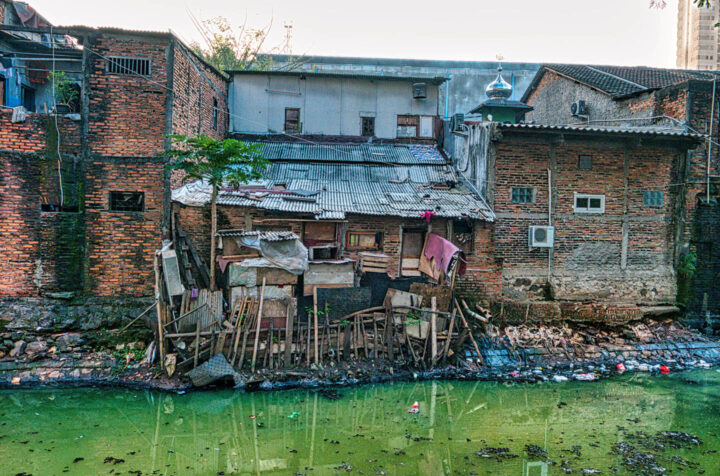
Overemphasizing resilience can reinforce racial injustice by suggesting that people who are subjected to it are resilient enough to handle it. Having to wear a mask of resilience or put on a smile can add to the burden of racism, making resilience exhausting. Having to continually adapt to microagressions and other forms of racism takes a mental and physical toll, such that resilience to racism comes at a cost.
A one-sized-fits-all approach to resilience doesn’t work for every person and problem. But most of us can benefit from nourishing some of the building blocks of resilience, such as cultivating supportive relationships, physical exercise and self-compassion.
Becoming more resilient is a process. We can benefit from working on the building blocks of our own individual resilience, and from initiatives in schools, workplaces and other environments that promote resilience more broadly.18)Kangas-Dick, K., & O’Shaughnessy, E. (2020). Interventions that promote resilience among teachers: A systematic review of the literature. International Journal of School & Educational Psychology, 8(2), 131–146. https://doi.org/10.1080/21683603.2020.1734125
The number of factors affecting resilience may seem daunting. The upside is that you can choose from many effective ways of building resilience to determine the most suitable approach for you.
Do you need a guide to help you understand how to cope with Stress in an all inclusive approach? Learn how to combat stress, mentally, physically, emotionally and strategically in your life.

This article is republished from The Conversation under a Creative Commons license. Read the original article.


Rachel is a clinical psychologist, research scientist, and educator. She is affiliated as adjunct faculty at the Icahn School of Medicine at Mount Sinai in New York, NY and at Seattle University. She is the author of 2 books.
References
| ↑1 | Smith, B.W., Dalen, J., Wiggins, K. et al. The brief resilience scale: Assessing the ability to bounce back. Int. J. Behav. Med. 15, 194–200 (2008). https://doi.org/10.1080/10705500802222972 |
|---|---|
| ↑2 | Joyce S, Shand F, Tighe J, et al. Road to resilience: a systematic review and meta-analysis of resilience training programmes and interventions. BMJ Open 2018;8:e017858. doi: 10.1136/bmjopen-2017-017858 |
| ↑3 | Festerling, L., Buentzel, J., Fischer von Weikersthal, L. et al. Resilience in cancer patients and how it correlates with demographics, psychological factors, and lifestyle. J Cancer Res Clin Oncol 149, 5279–5287 (2023). https://doi.org/10.1007/s00432-022-04480-6
Cooke, F.L., Wang, J. and Bartram, T. (2019), Can a Supportive Workplace Impact Employee Resilience in a High Pressure Performance Environment? An Investigation of the Chinese Banking Industry. Applied Psychology, 68: 695-718. https://doi.org/10.1111/apps.12184 |
| ↑4 | Kristin L. Szuhany, Matteo Malgaroli, George A. Bonanno, Physical activity may buffer against depression and promote resilience after major life stressors, Mental Health and Physical Activity, Volume 24, 2023, 100505, ISSN 1755-2966, https://doi.org/10.1016/j.mhpa.2023.100505
Schwartz CE, Zhang J, Stucky BD, et al. Is the link between socioeconomic status and resilience mediated by reserve-building activities: mediation analysis of web-based cross-sectional data from chronic medical illness patient panels. BMJ Open 2019;9:e025602. doi: 10.1136/bmjopen-2018-025602 Teresa Arora, Ian Grey, Linda Östlundh, Asma Alamoodi, Omar M. Omar, Kin-Bong Hubert Lam, Michael Grandner, A systematic review and meta-analysis to assess the relationship between sleep duration/quality, mental toughness and resilience amongst healthy individuals, Sleep Medicine Reviews, Volume 62, 2022, 101593, ISSN 1087-0792, https://doi.org/10.1016/j.smrv.2022.101593 |
| ↑5 | Hartling, L. M. (2008). Strengthening Resilience in a Risky World: It’s All About Relationships. Women & Therapy, 31(2–4), 51–70. https://doi.org/10.1080/02703140802145870 |
| ↑6 | Tull M. What Is Distress Tolerance? Very Well Mind, September 17, 2025 |
| ↑7 | Emotional Regulation Skills. DBT Tools |
| ↑8 | Schwalm FD, Zandavalli RB, de Castro Filho ED, Lucchetti G. Is there a relationship between spirituality/religiosity and resilience? A systematic review and meta-analysis of observational studies. Journal of Health Psychology. 2021;27(5):1218-1232. doi:10.1177/1359105320984537 |
| ↑9 | Goldsmith Turow R. The Self-Talk Workout. Shambala Publications, 2022 |
| ↑10 | Trompetter, H.R., de Kleine, E. & Bohlmeijer, E.T. Why Does Positive Mental Health Buffer Against Psychopathology? An Exploratory Study on Self-Compassion as a Resilience Mechanism and Adaptive Emotion Regulation Strategy. Cogn Ther Res 41, 459–468 (2017). https://doi.org/10.1007/s10608-016-9774-0 |
| ↑11 | About the CDC-Kaiser ACE Study. CDC Website Edwards V et.al. Relationship Between Multiple Forms of Childhood Maltreatment and Adult Mental Health in Community Respondents: Results From the Adverse Childhood Experiences Study. https://doi.org/10.1176/appi.ajp.160.8.14 Waehrer GM, Miller TR, Silverio Marques SC, Oh DL, Burke Harris N (2020) Disease burden of adverse childhood experiences across 14 states. PLoS ONE 15(1): e0226134. https://doi.org/10.1371/journal.pone.0226134 Melissa T. Merrick, Katie A. Ports, Derek C. Ford, Tracie O. Afifi, Elizabeth T. Gershoff, Andrew Grogan-Kaylor, Unpacking the impact of adverse childhood experiences on adult mental health, Child Abuse & Neglect, Volume 69, 2017, Pages 10-19, ISSN 0145-2134, https://doi.org/10.1016/j.chiabu.2017.03.016 |
| ↑12 | Extremera, N., Rey, L. Health-related quality of life and cognitive emotion regulation strategies in the unemployed: a cross-sectional survey. Health Qual Life Outcomes 12, 172 (2014). https://doi.org/10.1186/s12955-014-0172-6 Ostadi-sefidan, Hosseina; Faroughi, Farnazb; Fathnezhad-Kazemi, Azitac. Resilience and its related factors among women with breast cancer. European Journal of Cancer Prevention 33(2):p 129-135, March 2024. | DOI: 10.1097/CEJ.0000000000000839 Sbarra, D. A., Smith, H. L., & Mehl, M. R. (2012). When Leaving Your Ex, Love Yourself: Observational Ratings of Self-Compassion Predict the Course of Emotional Recovery Following Marital Separation: Observational Ratings of Self-Compassion Predict the Course of Emotional Recovery Following Marital Separation. Psychological Science, 23(3), 261-269. https://doi.org/10.1177/0956797611429466 Yule, K., Houston, J. & Grych, J. Resilience in Children Exposed to Violence: A Meta-analysis of Protective Factors Across Ecological Contexts. Clin Child Fam Psychol Rev 22, 406–431 (2019). https://doi.org/10.1007/s10567-019-00293-1 |
| ↑13 | Eftekhari, A., Zoellner, L. A., & Vigil, S. A. (2009). Patterns of emotion regulation and psychopathology. Anxiety, Stress, & Coping, 22(5), 571–586. https://doi.org/10.1080/10615800802179860 |
| ↑14 | Rachel Mc Hugh, Orla McBride, Self-medicating low mood with alcohol use: Examining the role of frequency of alcohol use, quantity consumed and context of drinking, Addictive Behaviors, Volume 111, 2020, 106557, ISSN 0306-4603, https://doi.org/10.1016/j.addbeh.2020.106557 |
| ↑15 | Calhoun, L. G., & Tedeschi, R. G. (2006). The Foundations of Posttraumatic Growth: An Expanded Framework. In L. G. Calhoun & R. G. Tedeschi (Eds.), Handbook of posttraumatic growth: Research & practice (pp. 3–23). Lawrence Erlbaum Associates Publishers.
Zhai, J., Newton, J., & Copnell, B. (2019). Posttraumatic growth experiences and its contextual factors in women with breast cancer: An integrative review. Health Care for Women International, 40(5), 554–580. https://doi.org/10.1080/07399332.2019.1578360 |
| ↑16 | Robert L. Leahy, Emotional Schemas, Cognitive and Behavioral Practice, Volume 29, Issue 3, 2022, Pages 575-580, ISSN 1077-7229, https://doi.org/10.1016/j.cbpra.2022.02.004 |
| ↑17 | Chamorro-Premuzic T, Lusk D. The Dark Side of Resilience. Harvard Business Review, August 16, 2017 |
| ↑18 | Kangas-Dick, K., & O’Shaughnessy, E. (2020). Interventions that promote resilience among teachers: A systematic review of the literature. International Journal of School & Educational Psychology, 8(2), 131–146. https://doi.org/10.1080/21683603.2020.1734125 |
Leave a Reply