Many of us are familiar with probiotics, such as certain yogurts and fermented foods, full of “good” bacteria that can keep the gut healthy. You might even have heard of prebiotics, foods rich in complex carbohydrates (dietary fiber) that help foster good bacteria in the large intestine. Popular prebiotic foods include oats, nuts and legumes. But what about postbiotics? What are they and how do they affect our gut health?

What is a postbiotic?
Postbiotics are essentially the by-products of our gut microbiota. In other words, your body produces postbiotics after digesting prebiotic and probiotic foods.1)Golen T. What are postbiotics? Harvard Health Publishing, November 1, 2021
Examples of postbiotics include the short-chain fatty acids butyric acid (or butyrate), acetic acid (or acetate) and propionic acid (or propionate).
These molecules are produced when good probiotic bacteria break down dietary fiber from foods such as fruits and vegetables, grains and legumes.
These postbiotic molecules are important for your gut microbiota. Healthy probiotic bacteria thrive on these short-chain fatty acids in our gut.
And some postbiotics can help suppress “bad” bacteria. For example, probiotic bacteria (such as Lactococcus lactis) produce special chemicals called bacteriocins which can prevent the colonization of pathogens like E. coli in the gut. This process is known as “colonization resistance”.2)Kayla Jaye, Chun Guang Li, Deep Jyoti Bhuyan, The complex interplay of gut microbiota with the five most common cancer types: From carcinogenesis to therapeutics to prognoses, Critical Reviews in Oncology/Hematology, Volume 165, 2021, 103429, ISSN 1040-8428, https://doi.org/10.1016/j.critrevonc.2021.103429.
Microbial fermentation is where microbes in the gut break down complex carbohydrates. Microbial fermentation of plant-based diets (which are rich in polyphenols), in particular, leads to the production of the postbiotic phenylacetic acid.3)Gutiérrez-Díaz, I et.al. Could Fecal Phenylacetic and Phenylpropionic Acids Be Used as Indicators of Health Status? https://doi.org/10.1021/acs.jafc.8b04102 This postbiotic can reduce the growth of harmful pathogens in the body.4)Sam D Cook, An Historical Review of Phenylacetic Acid, Plant and Cell Physiology, Volume 60, Issue 2, February 2019, Pages 243–254, https://doi.org/10.1093/pcp/pcz004
Not all postbiotics are good
Not all postbiotics are heroes, though. One type of postbiotic is bile acids, which are produced when we eat too many high-fat foods.5)Ridlon, Jason M. Kang, Dae J. Hylemon, Phillip B. Bajaj, Jasmohan S. Bile acids and the gut microbiome. Current Opinion in Gastroenterology 30(3):p 332-338, May 2014. | DOI: 10.1097/MOG.0000000000000057
Bile acids have been linked to inflammation and colon cancer.6)Chen, M.L., Takeda, K. & Sundrud, M.S. Emerging roles of bile acids in mucosal immunity and inflammation. Mucosal Immunol 12, 851–861 (2019). https://doi.org/10.1038/s41385-019-0162-4
Kühn T, et.al. Prediagnostic Plasma Bile Acid Levels and Colon Cancer Risk: A Prospective Study. J Natl Cancer Inst. 2020 May 1;112(5):516-524. doi: 10.1093/jnci/djz166. Erratum in: J Natl Cancer Inst. 2020 Oct 1;112(10):1077. doi: 10.1093/jnci/djaa094.
Staying on a high-protein, low-carbohydrate diet for the long term often means people don’t eat enough fiber, which is linked to a higher risk of colon cancer.
This may be due to the production of hazardous postbiotics like bile acids.
What’s the link between postbiotics and cancer?
Our recent review (led by my colleague Kayla Jaye at Western Sydney University) found short-chain fatty acids – particularly butyrate – have shown promising results against breast and colorectal cancer cells in previous laboratory studies.7)Jaye, K., Li, C. G., Chang, D., & Bhuyan, D. J. (2022). The role of key gut microbial metabolites in the development and treatment of cancer. Gut Microbes, 14(1). https://doi.org/10.1080/19490976.2022.2038865
One clinical study showed colorectal cancer patients produced significantly lower levels of short-chain fatty acids in their gut than healthy participants.8)Yusuf F et.al. Altered profile of gut microbiota and the level short chain fatty acids in colorectal cancer patients. DOI 10.1088/1742-6596/1146/1/012037
Another study found the numbers of bacteria that produce short-chain fatty acids were low in premenopausal breast cancer patients.9)He, C., Liu, Y., Ye, S. et al. Changes of intestinal microflora of breast cancer in premenopausal women. Eur J Clin Microbiol Infect Dis 40, 503–513 (2021). https://doi.org/10.1007/s10096-020-04036-x
Some cellular and animal studies have also reported that the postbiotic butyrate can help chemotherapy work better against breast cancer and regulate the immune system.10)Jaye K, Chang D, Li CG, Bhuyan DJ. Gut Metabolites and Breast Cancer: The Continuum of Dysbiosis, Breast Cancer Risk, and Potential Breast Cancer Therapy. International Journal of Molecular Sciences. 2022; 23(16):9490. https://doi.org/10.3390/ijms23169490
As reported in epidemiological studies, a fiber-rich diet, particularly whole grains, can lower the risk of colorectal cancer. This is mainly because fiber-rich diets lead to the production of short-chain fatty acids in the colon.
OK great, so what do I eat to get more postbiotics in my gut?
Dietary fiber is the key.
Women and men should consume at least 25 and 30 grams of fiber, respectively, every day. But few Australians meet this recommendation.11)Prebiotic diet – FAQs, Monash University https://www.monash.edu/medicine/translational/gastroenterology/prebiotic/faq
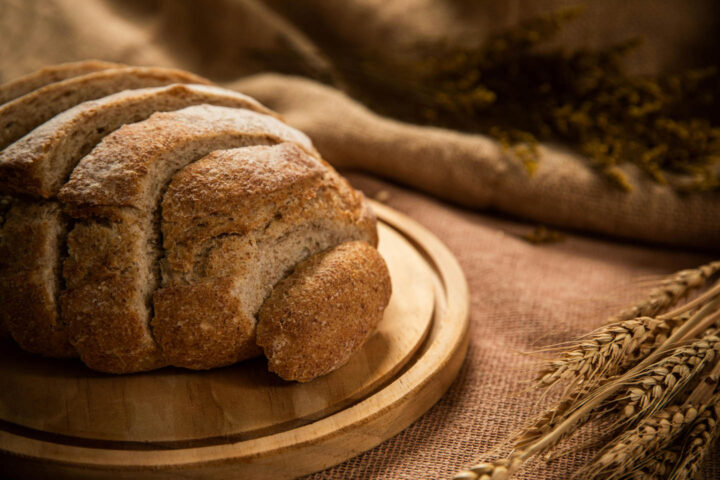
The best way to improve the levels of good postbiotics is to consume more vegetables, fruits, legumes, wholegrain bread, nuts and seeds.
Jerusalem artichokes, garlic, onion, leek and asparagus are fantastic prebiotic vegetables.
A diet rich in fruits and vegetables increases the levels of postbiotics like short-chain fatty acids in the gut. It also helps reduce bile acids.12)Wolf PG,,Byrd DA, Cares K, Dai H,Odoms-Young A, Gaskins HR,,,Ridlon JM, Tussing-Humphreys L,,, 2022. Bile Acids, Gut Microbes, and the Neighborhood Food Environment—a Potential Driver of Colorectal Cancer Health Disparities. mSystems 7:e01174-21. https://doi.org/10.1128/msystems.01174-21
Gut health is all about diversity, which means eating a variety of fruits, vegetables, legumes and whole grains to support healthy gut microbiota.
You can also include fermented foods like sauerkraut and kimchi in your diet. These fermented foods have both prebiotic fiber and live probiotic bacteria, which can help produce healthy postbiotics in the gut.
Of course, further research is needed. But to ensure good gut health, you should include plenty of fruits, vegetables and legumes in your diet.

Stay Always Up to Date
Sign up to our newsletter and stay always informed with news and tips around your health.
This article is republished from The Conversation under a Creative Commons license. Read the original article.


Deep Jyoti is a Research Fellow at NICM Health Research Institute, Western Sydney University and my research is centred on understanding the role of the gut microbiome in the occurrence, treatment and prognosis of cancer to define gut-microbiota-focused therapeutic strategies. His PhD research at the University of Newcastle highlighted the therapeutic role of antioxidants from Australian Eucalyptus as anticancer agents for pancreatic malignancies.
References
| ↑1 | Golen T. What are postbiotics? Harvard Health Publishing, November 1, 2021 |
|---|---|
| ↑2 | Kayla Jaye, Chun Guang Li, Deep Jyoti Bhuyan, The complex interplay of gut microbiota with the five most common cancer types: From carcinogenesis to therapeutics to prognoses, Critical Reviews in Oncology/Hematology, Volume 165, 2021, 103429, ISSN 1040-8428, https://doi.org/10.1016/j.critrevonc.2021.103429. |
| ↑3 | Gutiérrez-Díaz, I et.al. Could Fecal Phenylacetic and Phenylpropionic Acids Be Used as Indicators of Health Status? https://doi.org/10.1021/acs.jafc.8b04102 |
| ↑4 | Sam D Cook, An Historical Review of Phenylacetic Acid, Plant and Cell Physiology, Volume 60, Issue 2, February 2019, Pages 243–254, https://doi.org/10.1093/pcp/pcz004 |
| ↑5 | Ridlon, Jason M. Kang, Dae J. Hylemon, Phillip B. Bajaj, Jasmohan S. Bile acids and the gut microbiome. Current Opinion in Gastroenterology 30(3):p 332-338, May 2014. | DOI: 10.1097/MOG.0000000000000057 |
| ↑6 | Chen, M.L., Takeda, K. & Sundrud, M.S. Emerging roles of bile acids in mucosal immunity and inflammation. Mucosal Immunol 12, 851–861 (2019). https://doi.org/10.1038/s41385-019-0162-4 Kühn T, et.al. Prediagnostic Plasma Bile Acid Levels and Colon Cancer Risk: A Prospective Study. J Natl Cancer Inst. 2020 May 1;112(5):516-524. doi: 10.1093/jnci/djz166. Erratum in: J Natl Cancer Inst. 2020 Oct 1;112(10):1077. doi: 10.1093/jnci/djaa094. |
| ↑7 | Jaye, K., Li, C. G., Chang, D., & Bhuyan, D. J. (2022). The role of key gut microbial metabolites in the development and treatment of cancer. Gut Microbes, 14(1). https://doi.org/10.1080/19490976.2022.2038865 |
| ↑8 | Yusuf F et.al. Altered profile of gut microbiota and the level short chain fatty acids in colorectal cancer patients. DOI 10.1088/1742-6596/1146/1/012037 |
| ↑9 | He, C., Liu, Y., Ye, S. et al. Changes of intestinal microflora of breast cancer in premenopausal women. Eur J Clin Microbiol Infect Dis 40, 503–513 (2021). https://doi.org/10.1007/s10096-020-04036-x |
| ↑10 | Jaye K, Chang D, Li CG, Bhuyan DJ. Gut Metabolites and Breast Cancer: The Continuum of Dysbiosis, Breast Cancer Risk, and Potential Breast Cancer Therapy. International Journal of Molecular Sciences. 2022; 23(16):9490. https://doi.org/10.3390/ijms23169490 |
| ↑11 | Prebiotic diet – FAQs, Monash University https://www.monash.edu/medicine/translational/gastroenterology/prebiotic/faq |
| ↑12 | Wolf PG,,Byrd DA, Cares K, Dai H,Odoms-Young A, Gaskins HR,,,Ridlon JM, Tussing-Humphreys L,,, 2022. Bile Acids, Gut Microbes, and the Neighborhood Food Environment—a Potential Driver of Colorectal Cancer Health Disparities. mSystems 7:e01174-21. https://doi.org/10.1128/msystems.01174-21 |
Leave a Reply