With the flurry of shopping, spending money and traveling to see family, stress can feel inevitable during the holidays. You might already know stress can affect your own health, but what you may not realize is that your stress – and how you manage it – is catching. Your stress can spread around, particularly to your loved ones.
As a social-health psychologist, I have developed a model on how partners and their stress influence each other’s psychological and biological health. Through that and my other research, I’ve learned that the quality of intimate relationships is crucial to people’s health.1)M. Rosie Shrout, The health consequences of stress in couples: A review and new integrated Dyadic Biobehavioral Stress Model, https://doi.org/10.1016/j.bbih.2021.100328.
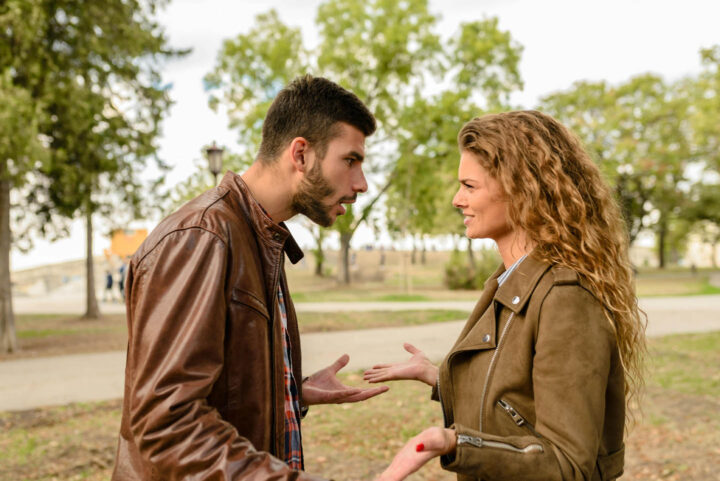
Here’s just a sample: Relationship stress can alter the immune, endocrine and cardiovascular systems.2)Kiecolt-Glaser, J. K., Renna, M. E., Shrout, M. R., & Madison, A. A. (2020). Stress Reactivity: What Pushes Us Higher, Faster, and Longer—and Why It Matters. Current Directions in Psychological Science, 29(5), 492-498. https://doi.org/10.1177/0963721420949521 A study of newlyweds found levels of stress hormones were higher when couples were hostile during a conflict – that is, when they were critical, sarcastic, spoke with an unpleasant tone and used aggravating facial expressions, like eyerolls.3)Kiecolt-Glaser, J. K., Bane, C., Glaser, R., & Malarkey, W. B. (2003). Love, marriage, and divorce: Newlyweds’ stress hormones foreshadow relationship changes. Journal of Consulting and Clinical Psychology, 71(1), 176–188. https://doi.org/10.1037/0022-006X.71.1.176
Likewise, in another study, people in hostile relationships had slower wound healing, higher inflammation,4)Kiecolt-Glaser JK, Loving TJ, Stowell JR, et al. Hostile Marital Interactions, Proinflammatory Cytokine Production, and Wound Healing. Arch Gen Psychiatry. 2005;62(12):1377–1384. doi:10.1001/archpsyc.62.12.1377 higher blood pressure and greater heart rate changes during conflict.5)Theodore F Robles, Janice K Kiecolt-Glaser, The physiology of marriage: pathways to health, https://doi.org/10.1016/S0031-9384(03)00160-4.
Middle-aged and older men had higher blood pressure at times when their wives reported greater stress.6)Kira S. Birditt, Nicky J. Newton, James A. Cranford, Lindsay H. Ryan, Stress and Negative Relationship Quality among Older Couples: Implications for Blood Pressure, The Journals of Gerontology: Series B, Volume 71, Issue 5, September 2016, Pages 775–785, https://doi.org/10.1093/geronb/gbv023 And partners who felt they weren’t being cared-for or understood had poorer well-being and higher mortality rates 10 years later when compared with those who felt more cared-for and appreciated by their partners.7)Stanton, Sarah C.E. PhD; Selcuk, Emre PhD; Farrell, Allison K. PhD; Slatcher, Richard B. PhD; Ong, Anthony D. PhD. Perceived Partner Responsiveness, Daily Negative Affect Reactivity, and All-Cause Mortality: A 20-Year Longitudinal Study. Psychosomatic Medicine 81(1):p 7-15, January 2019. DOI: 10.1097/PSY.0000000000000618
Conflict and cortisol
Cortisol is a hormone that plays a key role in the body’s stress response. Cortisol has a diurnal rhythm, so its levels are usually highest soon after waking and then gradually decline during the day. But chronic stress can lead to unhealthy cortisol patterns, such as low cortisol levels upon waking or cortisol not tapering off much by the end of the day. These patterns are associated with an increase in disease development and mortality risks.
My colleagues and I found that conflict altered cortisol levels of couples on the day they had a dispute; people with stressed partners who used negative behaviors during the conflict had higher cortisol levels even four hours after the conflict ended.8)M. Rosie Shrout, Megan E. Renna, Annelise A. Madison, Lisa M. Jaremka, Christopher P. Fagundes, William B. Malarkey, Janice K. Kiecolt-Glaser, Cortisol slopes and conflict: A spouse’s perceived stress matters, https://doi.org/10.1016/j.psyneuen.2020.104839.
These findings suggest that arguing with a partner who is already stressed could have lasting biological health effects for ourselves.
Managing stress
Here are three ways you can reduce the stress in your relationship, during and after the holidays.
First, talk to and validate each other. Tell your partner you understand their feelings. Talk about big and little things before they escalate. Sometimes partners hide problems to protect each other, but this can actually make things worse.9)Manne, S. L., Norton, T. R., Ostroff, J. S., Winkel, G., Fox, K., & Grana, G. (2007). Protective buffering and psychological distress among couples coping with breast cancer: The moderating role of relationship satisfaction. Journal of Family Psychology, 21(3), 380–388. https://doi.org/10.1037/0893-3200.21.3.380 Share your feelings, and when your partner shares in return, don’t interrupt. Remember, feeling cared-for and understood by a partner is good for your emotional well-being and promotes healthier cortisol patterns, so being there for each other and listening to each other can have good health effects for both you and your partner.10)Slatcher, R. B., Selcuk, E., & Ong, A. D. (2015). Perceived Partner Responsiveness Predicts Diurnal Cortisol Profiles 10 Years Later. Psychological Science, 26(7), 972-982. https://doi.org/10.1177/0956797615575022
Next, show your love. Hug each other, hold hands and be kind. This too lowers cortisol and can make you feel happier. One study found that a satisfying relationship can even help improve vaccination response.11)Ditzen, Beate PhD; Hoppmann, Christiane PhD; Klumb, Petra PhD. Positive Couple Interactions and Daily Cortisol: On the Stress-Protecting Role of Intimacy. Psychosomatic Medicine 70(8):p 883-889, October 2008. DOI: 10.1097/PSY.0b013e318185c4fc

Then remind yourself that you’re part of a team. Brainstorm solutions, be each other’s cheerleaders and celebrate the wins together. Couples who unite to tackle stress are healthier and more satisfied with their relationships. Some examples: Make dinner or run errands when your partner is stressed; relax and reminisce together; or try a new restaurant, dance or exercise class together.12)Karin Falconier M, Kuhn R. Dyadic Coping in Couples: A Conceptual Integration and a Review of the Empirical Literature. https://doi.org/10.3389/fpsyg.2019.00571
That said, it’s also true that sometimes these steps aren’t enough. Many couples will still need help managing stress and overcoming difficulties. Couples therapy helps partners learn to communicate and resolve conflicts effectively. It’s critical to be proactive and seek help from someone who is trained to deal with ongoing relationship difficulties.
So this holiday season, tell your partner that you’re there for them, preferably while you’re hugging. Take each other’s stress seriously, and no more eyerolls. It’s not so much the stress itself; it’s the way that both of you manage the stress together. Working as an open and honest team is the key ingredient to a healthy and happy relationship, during holiday season and into the new year.
Do you need a guide to help you understand how to cope with Stress in an all inclusive approach? Learn how to combat stress, mentally, physically, emotionally and strategically in your life.


Rosie earned a PhD in Interdisciplinary Social Psychology and completed a Presidential Postdoctoral Fellowship for Behavioral Medicine Research. At the Purdue University’s Human Development and Family Studies Department she studies how couples’ stress affects their relationships and health.
References
| ↑1 | M. Rosie Shrout, The health consequences of stress in couples: A review and new integrated Dyadic Biobehavioral Stress Model, https://doi.org/10.1016/j.bbih.2021.100328. |
|---|---|
| ↑2 | Kiecolt-Glaser, J. K., Renna, M. E., Shrout, M. R., & Madison, A. A. (2020). Stress Reactivity: What Pushes Us Higher, Faster, and Longer—and Why It Matters. Current Directions in Psychological Science, 29(5), 492-498. https://doi.org/10.1177/0963721420949521 |
| ↑3 | Kiecolt-Glaser, J. K., Bane, C., Glaser, R., & Malarkey, W. B. (2003). Love, marriage, and divorce: Newlyweds’ stress hormones foreshadow relationship changes. Journal of Consulting and Clinical Psychology, 71(1), 176–188. https://doi.org/10.1037/0022-006X.71.1.176 |
| ↑4 | Kiecolt-Glaser JK, Loving TJ, Stowell JR, et al. Hostile Marital Interactions, Proinflammatory Cytokine Production, and Wound Healing. Arch Gen Psychiatry. 2005;62(12):1377–1384. doi:10.1001/archpsyc.62.12.1377 |
| ↑5 | Theodore F Robles, Janice K Kiecolt-Glaser, The physiology of marriage: pathways to health, https://doi.org/10.1016/S0031-9384(03)00160-4. |
| ↑6 | Kira S. Birditt, Nicky J. Newton, James A. Cranford, Lindsay H. Ryan, Stress and Negative Relationship Quality among Older Couples: Implications for Blood Pressure, The Journals of Gerontology: Series B, Volume 71, Issue 5, September 2016, Pages 775–785, https://doi.org/10.1093/geronb/gbv023 |
| ↑7 | Stanton, Sarah C.E. PhD; Selcuk, Emre PhD; Farrell, Allison K. PhD; Slatcher, Richard B. PhD; Ong, Anthony D. PhD. Perceived Partner Responsiveness, Daily Negative Affect Reactivity, and All-Cause Mortality: A 20-Year Longitudinal Study. Psychosomatic Medicine 81(1):p 7-15, January 2019. DOI: 10.1097/PSY.0000000000000618 |
| ↑8 | M. Rosie Shrout, Megan E. Renna, Annelise A. Madison, Lisa M. Jaremka, Christopher P. Fagundes, William B. Malarkey, Janice K. Kiecolt-Glaser, Cortisol slopes and conflict: A spouse’s perceived stress matters, https://doi.org/10.1016/j.psyneuen.2020.104839. |
| ↑9 | Manne, S. L., Norton, T. R., Ostroff, J. S., Winkel, G., Fox, K., & Grana, G. (2007). Protective buffering and psychological distress among couples coping with breast cancer: The moderating role of relationship satisfaction. Journal of Family Psychology, 21(3), 380–388. https://doi.org/10.1037/0893-3200.21.3.380 |
| ↑10 | Slatcher, R. B., Selcuk, E., & Ong, A. D. (2015). Perceived Partner Responsiveness Predicts Diurnal Cortisol Profiles 10 Years Later. Psychological Science, 26(7), 972-982. https://doi.org/10.1177/0956797615575022 |
| ↑11 | Ditzen, Beate PhD; Hoppmann, Christiane PhD; Klumb, Petra PhD. Positive Couple Interactions and Daily Cortisol: On the Stress-Protecting Role of Intimacy. Psychosomatic Medicine 70(8):p 883-889, October 2008. DOI: 10.1097/PSY.0b013e318185c4fc |
| ↑12 | Karin Falconier M, Kuhn R. Dyadic Coping in Couples: A Conceptual Integration and a Review of the Empirical Literature. https://doi.org/10.3389/fpsyg.2019.00571 |
Leave a Reply