Ginger (Zingiber officinale) is the underground stem or rhizome of a tall, perennial, tropical plant. The fleshy rhizomes of ginger are harvested when the plant is about one year old and sun-dried for about a week. Typically, that sold in a store is candied or crystallized; it is prepared by boiling the fresh rhizome in a sugar solution. The finished product is sliced and sprinkled with granulated sugar.
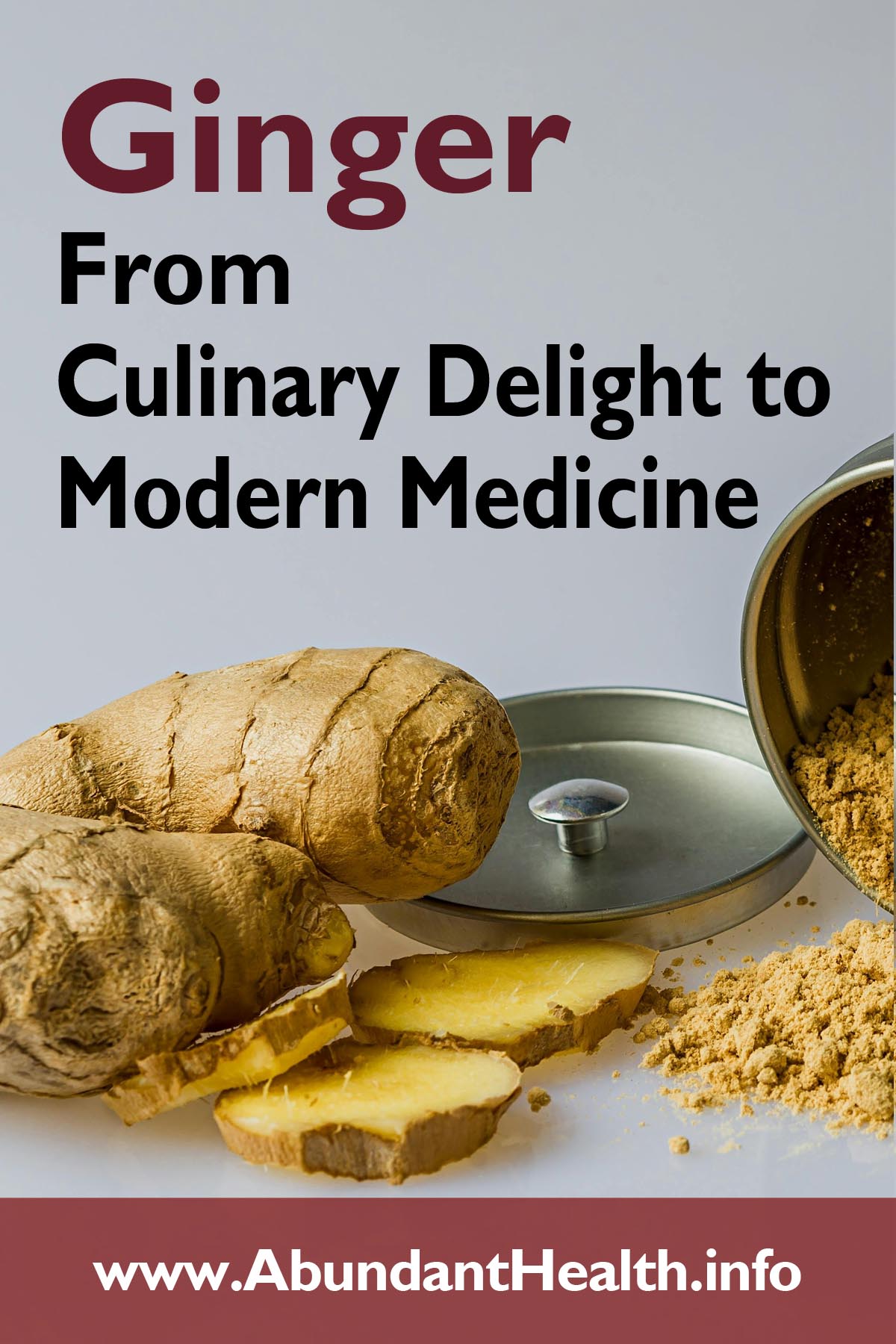
Ginger was considered a delicacy by the ancients. Confucius wrote about it as early as 500 B.C. Dioscorides in 77 A.D. stated that ginger not only warmed the stomach but was also a broad-spectrum antidote. According to the Koran, it is served to guests in paradise.
The name ginger is derived from the word sringa-vera (meaning horn-body), the word for ginger in Sanskrit, an ancient Indo-European language. This name was later adapted by the Greeks to zingiberis, from which we get the word ginger.
Originally brought to Europe from South-East Asia by way of Arab traders, ginger was one of the first Oriental spices to reach Europe. During the Renaissance, it had a very favorable reputation in Europe, and was early introduced into America. The American revolutionaries of 1775 had ginger in their food rations. Today, it is widely cultivated in the United States, Australia, Jamaica, as well as China and Indonesia.
Ginger has a long history of use as a flavoring agent. It is frequently used in Indian and Chinese cuisine. Gingerbread and ginger ale are examples of popular Western foods of the past that utilized ginger. The unique flavor is due to its aromatic oil, a rich mixture of pleasant-smelling terpenoids. It contributes a unique freshness to food and can accent certain flavors. Its sweet aromatic odor and pungent taste make it a popular seasoning. It can be used in entrees, breads, fruit desserts, cake, pies, puddings, and preserves. It is now commonly used in traditional Chinese medicine to stimulate the appetite.
Help in Traveling
Due to its anti-emetic qualities, ginger has proven to be a valuable aid in treating nausea and preventing the vomiting associated with motion sickness. About one gram (one-fourth teaspoon) of powdered ginger has been found to be very effective in reducing the symptoms of motion sickness; typically, it should be consumed about 30 minutes before travel. Marine captains often offer passengers on a boat cruise pieces of ginger or ginger cookies to help prevent sea sickness.

The activity of ginger is due to its aromatic volatile oil, which imparts its characteristic odor. Active compounds include the terpenoids zingiberene and bisabolene, and the aromatic gingerols. Research shows that a handful of compounds appear to be important in providing the anti-emetic activity of ginger root. Its anti-emetic mechanism of action does not appear to be due to an effect on the central nervous system, but rather on the digestive system. Thus, it has been used in the treatment of colic, lack of appetite, for vomiting associated with morning sickness in pregnancy, and chemotherapy-induced nausea. Some people find it helps to prevent belching and flatulence.
A Variety of Other Benefits
As a digestive aid, it promotes the secretion of saliva and gastric juices and increases the action of peristalsis in the intestines.
It has been used for rheumatic complaints. Its oil contains compounds which relieve coughing and are reported to have analgesic (pain relieving) and fever-reducing properties. A mixture of black pepper and ginger has recently been patented as a treatment for athlete’s foot and other fungal infections.
Reduces Risk of Heart Disease and Cancer
Ginger may be useful for those prone to heart attack or stroke. Since ginger extracts inhibit the clumping of human platelets, it can reduce the risk of blood clots forming. The compounds principally responsible for this activity are labdane diterpenoid compounds and, to a much lesser degree, a family of compounds called gingerols. The powerful diterpene inhibitors appear to be just as active in inhibiting blood clots as the sulfur compounds in onions. Preliminary data from research with rabbits shows that ginger may also help to lower blood cholesterol levels.

Ginger contains over 20 phenolic compounds, known as gingerols and diarylheptanoids, which are potent antioxidants similar in action to that of vitamin E. These constituents possess anti-mutagenic activity (mutagens pervert DNA) and pronounced anti-inflammatory activity, and can also inhibit various cancers. The anti-cancer activity of ginger is due in large part to the presence of curcumin, a substance also found in the herb turmeric. Curcumin is reported to stimulate the activity of glutathione-S-transferase, an enzyme that assists in the elimination of cancer-causing substances from the body.
Proper Use of Ginger
A single dose of one to two grams of powdered rhizome is usually effective as an anti-emetic. Modest amounts of ginger appear to be safe since no toxic or unpleasant side effects have been reported. Excessive consumption may interfere with cardiac, anti-diabetic and anti-coagulant therapy. Persons with gall bladder disease should consult a physician before they consume ginger.
Summary
Ginger, with its unique aromatic flavor, enjoys many culinary applications. Ginger is useful for treating an upset stomach, preventing symptoms of motion sickness, as well as nausea and vomiting of pregnancy, and increasing the tone of the bowel. Its anti-tumor properties and ability to reduce the risk of blood clot formation find use in reducing the risk of cancer and cardiovascular disease.
The occasional use of ginger will add a little zest to your life as well as improve your health.

Stay Always Up to Date
Sign up to our newsletter and stay always informed with news and tips around your health.

Winston is Professor of Nutrition and Director of the dietetics internship program at Andrews University in Berrien Springs, Michigan, where he has taught health and nutrition classes since 1987.
Leave a Reply