Did you know that the link between diabetes and depression had been described as early as the 17th century? Back then, English doctor Thomas Willis — one of the pioneers of diabetes research — wrote that “significant life stress, sadness, or long sorrow” made people more likely to suffer from diabetes.1)Sartorius N. Depression and diabetes. Dialogues Clin Neurosci. 2018 Mar;20(1):47-52. doi: 10.31887/DCNS.2018.20.1/nsartorius. PMID: 29946211; PMCID: PMC6016052.
But it wasn’t until the 20th century that a series of studies showed this connection statistically: Compared to people without diabetes, diabetic individuals are two to three times more likely to be depressed.2)Diabetes and Mental Health. CDC
Today, it’s known that up to 15 percent of people with diabetes experience depression.3)Sartorius N. Depression and diabetes. Dialogues Clin Neurosci. 2018 Mar;20(1):47-52. doi: 10.31887/DCNS.2018.20.1/nsartorius. PMID: 29946211; PMCID: PMC6016052.
Let’s first define “depression,” then identify its range of symptoms.
What is depression?
Depression is a serious mood disorder that causes sadness or loss of interest in things you once enjoyed. It’s also called clinical depression, major depression, or major depressive disorder.4)Diabetes and Mental Health. CDC5)Depression. NIH website
You can have depression regardless of your age, gender, race, or ethnicity. To be diagnosed with depression though, you must consistently show signs and symptoms of the condition for at least two weeks.6)Depression. NIH website
Molecules called neurotransmitters transport signals from your nerve cells to various target cells in your body. Low levels of some of these chemical messengers — specifically, serotonin and dopamine — contribute to depression.7)Cherry K. How Neurotransmitters Work and What They Do. VeryWellMind
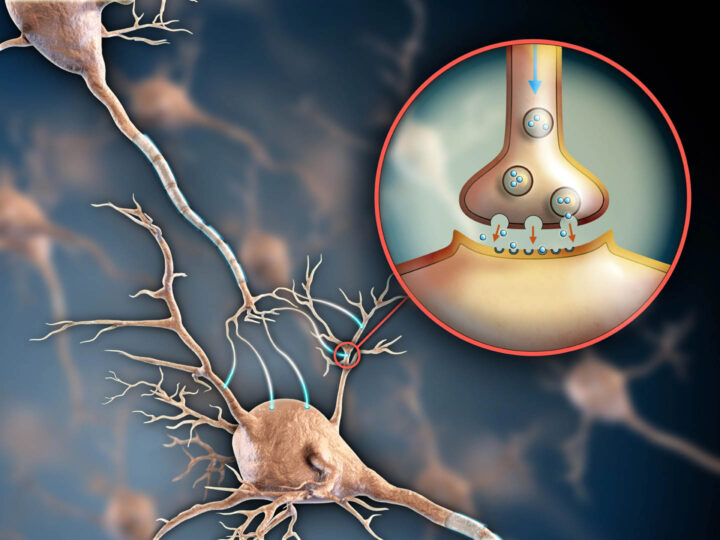
Signs and symptoms of depression vary based on which of the two neurotransmitters is missing.
The role of serotonin
Serotonin influences many of your body’s functions, including your mood, memory, sleep, appetite, and social behavior. Having normal levels of serotonin makes you feel happy and calm. That’s why it’s often called a natural “feel-good” chemical.8)Salters-Pedneault K. Serotonin: What It Is, How to Increase It, and Can You Have Too Much? VeryWellMind
In contrast, low serotonin can make you depressed. If you have serotonin-linked depression, you’ll likely feel sad or irritable. You may have trouble focusing or remembering things. You may find it hard to sleep. You may crave sweet foods or resort to binge eating. You may no longer enjoy your friendships and other relationships.9)Salters-Pedneault K. Serotonin: What It Is, How to Increase It, and Can You Have Too Much? VeryWellMind10)Villines Z. Symptoms of low serotonin or deficiency. MedicalNewsToday
The role of dopamine
Dopamine regulates your mesolimbic system, your brain’s most important reward center. This means that dopamine drives your pleasure-seeking and survival-related behaviors.11)Treadway MT, Cooper JA, Miller AH. Can’t or Won’t? Immunometabolic Constraints on Dopaminergic Drive. Trends Cogn Sci. 2019 May;23(5):435-448. doi: 10.1016/j.tics.2019.03.003.12)Belujon P, Grace AA. Dopamine System Dysregulation in Major Depressive Disorders. Int J Neuropsychopharmacol. 2017 Dec 1;20(12):1036-1046. doi: 10.1093/ijnp/pyx056.
Low levels of dopamine result in depression too, but cause different symptoms. With dopamine-linked depression, you may have trouble feeling anything at all. You may lose interest in activities and relationships you’ve previously enjoyed. As a result, it’ll be hard to motivate yourself to start or finish tasks. Plus, you may lack concern for your family, your friends, and even your own well-being.13)Belujon P, Grace AA. Dopamine System Dysregulation in Major Depressive Disorders. Int J Neuropsychopharmacol. 2017 Dec 1;20(12):1036-1046. doi: 10.1093/ijnp/pyx056.
Insulin resistance and depression
Your body breaks down the foods you eat into glucose. This simple sugar is your body’s main source of energy. To help your cells take up glucose for energy use or storage, your pancreas releases a hormone called insulin. But when your cells don’t seem to respond as well as they should to insulin, you’ll be diagnosed with a condition called insulin resistance. Having insulin resistance promotes high levels of glucose in your blood, resulting in prediabetes and type 2 diabetes over time.14)Insulin Resistance. Cleveland Clinic

Insulin resistance harms your body in various ways. For instance, it disrupts your stores of tryptophan, an amino acid vital to serotonin production. It also impairs the key enzyme that converts tryptophan into serotonin. Insulin resistance hampers your brain’s tryptophan uptake too. All these effects of insulin resistance add up to low serotonin levels in your brain, contributing to depression.15)Spiegelaar N, Warma S. Insulin Impairment Disrupts Central Serotonin Synthesis: Implications for Stress Resilience. DOI: 10.5772/intechopen.100404516)Prabhakar V, Gupta D, Kanade P, Radhakrishnan M. Diabetes-associated depression: the serotonergic system as a novel multifunctional target. Indian J Pharmacol. 2015 Jan-Feb;47(1):4-10. doi: 10.4103/0253-7613.150305.
Insulin resistance also impairs the enzyme that converts the amino acid tyrosine into dopamine. It decreases your transmission of signals to nerve cells that make dopamine as well, further reducing dopamine production. Plus, insulin resistance enhances dopamine breakdown, so dopamine levels in your brain drop faster than normal. Finally, insulin resistance obstructs dopamine activity by hampering the transport of the neurotransmitter into your brain cells. These profound effects on dopamine levels and function are another way in which insulin resistance can drive depression.17)Kleinridders A, Pothos E. Impact of Brain Insulin Signaling on Dopamine Function, Food Intake, Reward, and Emotional Behavior. DOI:10.1007/s13668-019-0276-z
Conclusion
Having type 2 diabetes can make you more prone to depression. The link between type 2 diabetes and depression is related to the underlying condition known as insulin resistance.
Insulin resistance — the precursor to type 2 diabetes — reduces your brain’s serotonin and dopamine levels and activity.
Both low serotonin and dopamine can lead to depression. If you’re depressed, your symptoms will depend on which of these neurotransmitters you lack. That’s because serotonin and dopamine affect different areas and functions of your brain.
By fighting insulin resistance, you can fight depression too.

Stay Always Up to Date
Sign up to our newsletter and stay always informed with news and tips around your health.

JoAnna is the Creator of Simple Diet Solutions. She is best known for simplifying the process of diet and lifestyle change to make the benefits accessible to more people. She is using her 10 years of experience to help people heal from a variety of health conditions, specializing in the use of elimination diets to deal efficiently with allergies and food intolerances. Find more of her articles in her blog Simple Diet Solutions.
References
| ↑1, ↑3 | Sartorius N. Depression and diabetes. Dialogues Clin Neurosci. 2018 Mar;20(1):47-52. doi: 10.31887/DCNS.2018.20.1/nsartorius. PMID: 29946211; PMCID: PMC6016052. |
|---|---|
| ↑2, ↑4 | Diabetes and Mental Health. CDC |
| ↑5, ↑6 | Depression. NIH website |
| ↑7 | Cherry K. How Neurotransmitters Work and What They Do. VeryWellMind |
| ↑8, ↑9 | Salters-Pedneault K. Serotonin: What It Is, How to Increase It, and Can You Have Too Much? VeryWellMind |
| ↑10 | Villines Z. Symptoms of low serotonin or deficiency. MedicalNewsToday |
| ↑11 | Treadway MT, Cooper JA, Miller AH. Can’t or Won’t? Immunometabolic Constraints on Dopaminergic Drive. Trends Cogn Sci. 2019 May;23(5):435-448. doi: 10.1016/j.tics.2019.03.003. |
| ↑12, ↑13 | Belujon P, Grace AA. Dopamine System Dysregulation in Major Depressive Disorders. Int J Neuropsychopharmacol. 2017 Dec 1;20(12):1036-1046. doi: 10.1093/ijnp/pyx056. |
| ↑14 | Insulin Resistance. Cleveland Clinic |
| ↑15 | Spiegelaar N, Warma S. Insulin Impairment Disrupts Central Serotonin Synthesis: Implications for Stress Resilience. DOI: 10.5772/intechopen.1004045 |
| ↑16 | Prabhakar V, Gupta D, Kanade P, Radhakrishnan M. Diabetes-associated depression: the serotonergic system as a novel multifunctional target. Indian J Pharmacol. 2015 Jan-Feb;47(1):4-10. doi: 10.4103/0253-7613.150305. |
| ↑17 | Kleinridders A, Pothos E. Impact of Brain Insulin Signaling on Dopamine Function, Food Intake, Reward, and Emotional Behavior. DOI:10.1007/s13668-019-0276-z |
Leave a Reply