The recent decades were dominated by a widespread fat phobia. While we are getting to a more differentiated view of fats depending on their quality, the marketplace is still full of low-fat and reduced-fat food items. High-fat diets are considered unhealthful, and excess fat in the diet is associated with a greater risk of chronic diseases. Along with fat, salt is also on the list of things we should significantly reduce in our diet. Excess salt (sodium chloride) is not only implicated in elevating blood pressure but is also a player in causing calcium excretion from the body and thereby increasing the risk of osteoporosis.
With the emphasis upon eating more healthful diets that are low in fat and salt, people are turning to various herbs and spices to flavor their food. There are many different herbal seasonings that can be safely used to provide a rich variety of exotic and aromatic flavors without having to resort to salt and MSG to flavor your food. Sweet basil, thyme, caraway, dill, oregano, sage, marjoram, and Italian seasoning are just a few of the herb seasonings that can enhance the flavor of vegetables, soups, and stews. Also, cardamom seeds lend an unusual aromatic flavor to pies and pastries.
Cultural Influences
During the past two centuries, immigrants to the United States brought with them their own culture, ethnic dishes, and eating habits, resulting in the introduction of some spices and herbs new to our culture. The present popularity of Italian, Mexican, and other ethnic dishes has resulted in an increased use of these herbal seasonings.
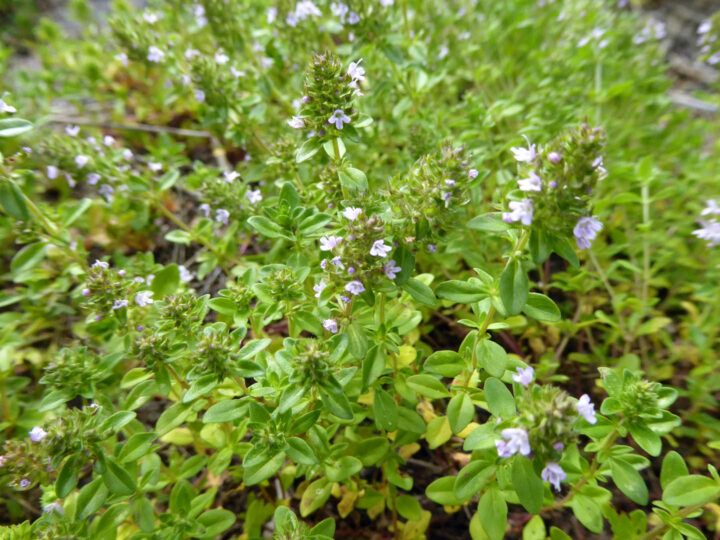
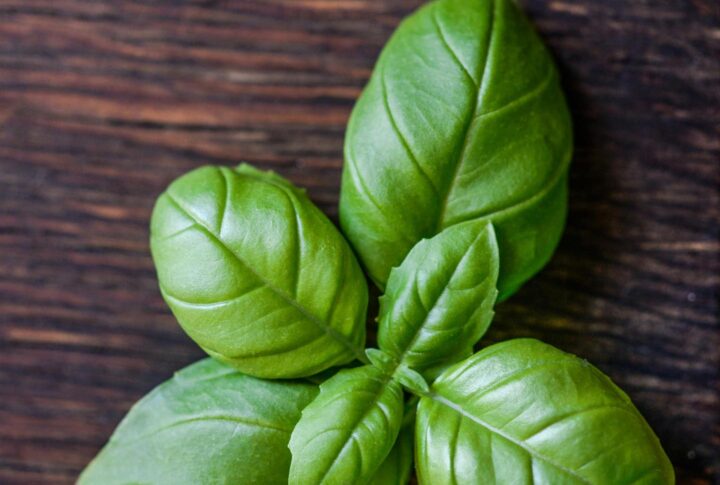
For example, oregano is essential in the preparation of Italian and Spanish food and is commonly used to flavor pizza. Chili pepper is used in many Italian, Mexican and Indian dishes. Italians use sweet basil for flavoring beans and many of their tomato dishes, while the French use it for flavoring omelets. Thyme has a prominent place in both French cuisine and the creole cuisine of New Orleans, while saffron is considered an essential component of Spanish cuisine.

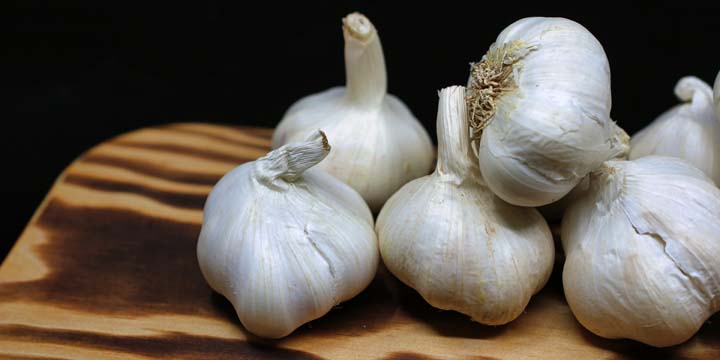
For centuries, garlic has been used in Mediterranean, Indian and Oriental dishes. Many Americans are now using this herb in a variety of dips, vegetable dishes, soups, and some baked goods. Likewise, onions or dehydrated onion can be used to enhance the flavor of most vegetables, salads, soups, gravies and many entrees. Onion salt, onion oil, onion powder, and parsley, is a popular seasoning for salad dishes and sandwiches, in addition to helping one cut down on salt intake.
The Spice Trade
Herbs and spices have been valuable commodities for many years, having been used as medicines and perfumes, and to flavor foods since early civilization. Ancient manuscripts suggest that the Chinese and Egyptians utilized many herbs for a variety of conditions including embalming the dead. In Biblical times, Arab merchants brought spices from Southeast Asia, India, and the Persian Gulf thousands of miles by camel caravan and ship to Egypt, Greece, and Italy. From here, the spices found their way to major centers in the West.
A part of Venice’s great wealth during the Middle Ages came from active participation in the spice trade. Spices were obtained from Egyptians and sold to northern and western European distributors at high prices. It was believed that the country that controlled the spice trade could become rich and powerful. Famous voyages by Vasco de Gama and Magellan were largely motivated by a drive to discover new routes to the spice islands.
Variety of Flavors
The FDA does not differentiate between culinary herbs and spices. However, three of the spices (saffron, paprika, turmeric) are classified as coloring agents. Spices can be defined as fragrant, aromatic, or pungent edible plant substances (bark, buds, bulbs, flowers, leaves, fruit, seeds, rhizomes, roots, and other parts) which contribute flavor to food and beverages.
The flavor and pungency of most spices is due to their volatile oils (mixtures of terpenes such as thymol, menthol, carvone, cineole, etc.) or to their alkaloids (piperine in black pepper and capsaicin in red pepper).
Spices are seldom used alone as flavoring agents. Herbs are often blended together to impart a richer, more pleasing aroma and flavor to the food. An example of a pre-blended herb mixture is Italian seasoning, which is a blend of marjoram, thyme, rosemary, savory, sage, oregano, and basil.
One should recognize that dried spices smell and taste different from their fresh counterparts. The drying process usually causes a loss or change in the volatile oil of the plant material. Hence, the nonvolatile components become concentrated, resulting in the domination of bitter elements. Furthermore, spices which sit in the kitchen for many months and even years, will lose their rich flavors so that a greater quantity will be needed to achieve the desired flavor.
Health Promoters
A number of the culinary herbs contain medically active compounds that make them useful in treating certain disorders, or generally to promote health. For example, fennel and various mints have been successfully used to treat coughs and colds; ginger is helpful for preventing nausea and vomiting associated with motion sickness as well as for morning sickness; licorice can help heal stomach and duodenal ulcers; and peppermint has found use in the treatment of irritable bowel syndrome.
Research on garlic has shown its value for lowering blood lipids and blood pressure, decreasing the clotting tendency of the blood, and providing protection against tumor growth. In addition to garlic and onions, other herbs such as flax, fenugreek, and psyllium are reported to significantly lower blood cholesterol levels in humans.
Many of herbs have demonstrated useful cancer-preventive properties. These include garlic, onions, ginger, turmeric, rosemary, sage, basil, thyme, flax tarrigon, oregano, licorice root, and celery seed. These herbs and spices contain a variety of terpenoids, flavonoids, carotenoids, sulfur compounds, and many other potent antioxidants that protect against damage from cancer-causing substances, or that stimulate pathways that help eliminate carcinogens.
Rosemary Rules
One of the lesser known members of the Labiatae (mint) family is rosemary (Rosmarinus officinalis), an evergreen perennial shrub that grows about two to six feet tall, with light blue flowers. Native to the western Mediterranean region, rosemary has a long history of medicinal use. In ancient Greece, where rosemary was believed to strengthen memory, students wore sprigs of the herb in their hair while studying, and rosemary wreaths during examinations. Another legend that persists suggests that rosemary placed in clothes closets protects the garments from moths and other vermin. It was customary for French hospitals to burn rosemary with juniper to sanitize the air and prevent infections. A gargle made from rosemary was used for canker sores and other ulcers.
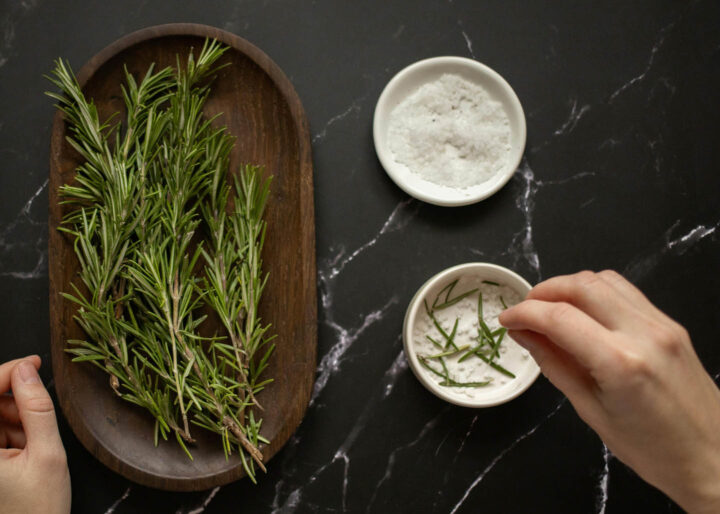
Rosemary oil is rich in cineole, borneol, and camphor along with some alpha-pinene, and verbenone, giving it a fragrance that is widely utilized in soaps, shampoos, hand creams, and perfumes. Today, rosemary is a common ingredient in Italian and French dishes. It delicately flavors vegetable dishes, soups, and entrees. Rosmarinic, carnosic, and ursolic acids, and other terpenoids in rosemary are responsible for its anti-inflammatory, cancer-preventive, antibacterial, antiviral, and other health- promoting properties.
Exercise Caution
Many consumers believe that all herbal products are natural substances and are therefore healthful and safe to use. However, not all herbs and spices are safe. An increased risk of stomach cancer has been reported among Mexicans who regularly consume chili pepper, compared with those who consume little, if any, chili pepper. Chili, or red pepper, contains large quantities of an irritating substance, capsaicin. Also, cloves contain eugenol, a sharp, irritating compound which can damage the intestinal lining. Furthermore, black pepper contains a number of compounds suspected of causing cancer. Those who regularly use some herbal teas as an alternative to caffeinated beverages must exercise caution since the safety of some of the ingredients has not been adequately tested.
Conclusion
Charlemagne once described herbs as both “a friend of physicians and the praise of cooks.” By carefully selecting and using safe herbal products we can discreetly add pleasant and exotic flavors to our food with much less salt, as well as obtaining some preventive medicinal benefit for improved health.

Stay Always Up to Date
Sign up to our newsletter and stay always informed with news and tips around your health.

Winston is Professor of Nutrition and Director of the dietetics internship program at Andrews University in Berrien Springs, Michigan, where he has taught health and nutrition classes since 1987.
Leave a Reply