Have you noticed the emergence of “Charcuterie boards” over the last couple of years? These meat and cheese trays, which have grown in popularity due to growing trends on social media, typically feature mindfully placed slices of processed meat, cheeses, a spattering of nuts/olives/pickled vegetables, and perhaps a bit of fruit. But the stars of the show are definitely the processed meats and cheeses.

What is Processed Meat?
Processed meat refers to meat that has been transformed through salting, curing, fermenting, smoking, or other processes to enhance the flavor or improve preservation. Most processed meats contain pork or beef, but some processed meats may also contain other types of red meats, poultry, or meat by-products such as blood.
Examples of cured/smoked/processed meats typically featured on a Charcuterie board include salami, sausage, bacon, pepperoni, chorizo, prosciutto, and other varieties of pork. Hard cheeses such as cheddar, parmesan, gouda, and soft cheese such as brie, goat cheese, cream cheese, mozzarella, ricotta, and blue cheese are also sometimes offered.
Many people love these types of food and are often very disinterested in hearing the negative health consequences associated with it. I get it….
… I was there too.
At one time in my life, I was a huge fan of processed meats and cheeses too and wasn’t one bit concerned about how they could adversely affect me in the future.
I was headed for big problems, that’s for sure. I already had high cholesterol, declining bone health, and suffered one winter sickness after another every single year.
With my dire family history, I shudder to think where my health would be today if I hadn’t stumbled upon the good news regarding whole food, plant-based nutrition.
That’s why I’m on a mission to educate, equip, and encourage anyone who’s ready to listen. How else can people make informed decisions about their health and their food choices without considering all the credible, evidence-based information?

Allow me to share just 5 reasons to steer clear of charcuterie boards. There are dozens of reasons I could list, but hopefully these 5 will be enough to convince you.
Reason #1: Heart Disease and Stroke
Atherosclerosis refers to the fatty buildup in the inner lining of our arteries, and that fatty buildup is called PLAQUE.
What are these plaques made of? Saturated fat, cholesterol, calcium, and other substances found in the blood.
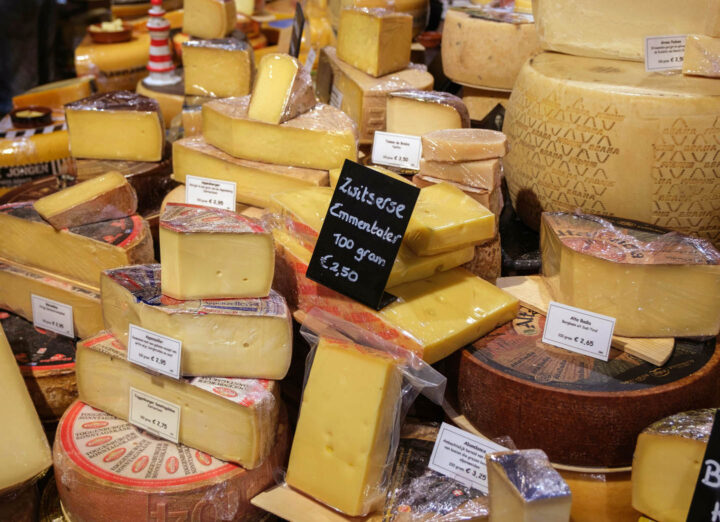
The meats and cheeses served on Charcuterie boards are LOADED with saturated fat and cholesterol.
Saturated fat refers to fat molecules which have become covered (saturated) with hydrogen atoms. The more fats are saturated with hydrogen atoms, the higher the melting point; so, at room temperature, saturated fat stays solid (think lard and cheese).
Cheese is the highest source of saturated fat in the American diet; other dairy products high in saturated fat include butter, ice cream, and milk. Meats and processed meats rank as a close second. Saturated fat is visible. You can see it in the white marbling in bacon and steaks.
Cholesterol, on the other hand, is invisible. It’s hidden in the animal’s cell membranes, so we can’t see it. Cholesterol is ONLY FOUND IN ANIMAL FOODS. There is zero cholesterol in plant-based foods.
Although eggs are the highest source of cholesterol (gram for gram, eggs have at least eight times more cholesterol than beef), the processed meats and cheeses being served on Charcuterie boards are very high sources of cholesterol, as well.
Are these foods really worth the increased risk of atherosclerosis (the formation of plaques) that block your arteries and lead to heart attacks, strokes, Peripheral Artery Disease, and kidney disease?
Cardiovascular disease remains our #1 killer, claiming over 900,000 lives in the U.S. each year. The Centers for Disease Control report that 805,000 people have a heart attack annually (striking one person every 40 seconds).
Reason #2: Cancer
A few years ago, the World Health Organization (WHO) released a report which classified processed meats as “carcinogenic to humans.” Processed meats rank as “category 1″ – the highest of five possible cancer-causing categories– the same classification where we find asbestos, arsenic, and cigarettes.
The American Institute for Cancer Research (AICR) had this to say in their official statement:
AICR strongly supports the (WHO’s) report classifying red and processed meats as carcinogens, and we hope it will spread the message that what we eat plays a role in cancer risk.
For years, AICR has been recommending that individuals reduce the amount of beef, pork, lamb, and other red meats in their diets and avoid processed meats like bacon, sausage, and hot dogs.
The risk of cancer generally increases with the amount of meat consumed; an analysis of data from 10 studies estimated that “every 50-gram portion of processed meat eaten daily increases the risk of colorectal cancer by 18%” and that it also raised the risk of stomach and other cancers. For reference, 50 grams (1.8 oz) would equate to 2 slices of bacon, 2 slices of ham, 1 piece of smoked sausage, or about 1 hot dog.

We also know from Dr. T. Colin Campbell’s work in The China Study, the most comprehensive study of lifestyle and disease ever done with humans, that animal protein is a known carcinogen.
Think about how much processed meat is being served every day: Breakfast sandwiches with ham, sausage or bacon; foot-long sub sandwiches piled high with deli slices; pizzas covered with pepperoni, sausage, and salami; hot dogs which are commonly served everywhere; brats can be purchased at the gas station; pre-packaged containers of lunch meat snacks; and packages of jerky which are available at most check-out counters.
Reason #3: Type 2 Diabetes
Contrary to popular belief, type 2 diabetes is NOT caused by sugar. Even the American Diabetes Association agrees with this statement on their website. Having high blood sugar is a symptom of diabetes, but it is not the root cause.
Type 2 diabetes is the result of too much fat in the body. Here’s how it works. Glucose accumulates in the bloodstream because it cannot get where it needs to go – into our muscle cells.
Imagine each one of your cells having a door with a lock on it. Insulin is the hormone that opens the door lock so the glucose in the bloodstream can then be escorted into the cells.
However, when the door locks get gummed up with fat, the cells become “insulin resistant.” The insulin can no longer open the door, so the glucose remains in the bloodstream.
Meats, processed meats, dairy products, and even fish, are remarkably high in fat. Cheese, for example, is 70% fat. Ground beef is up to 60% fat; Bacon is 77%, ground turkey is roughly 45% fat, and salmon can be up 50% fat, depending on the variety. Plus, the cooking method can increase the fat content as well.

When we consider that our fat intake should be kept at 10%-15% of our calories, you can see why cheese/dairy/meats/processed meats are leading contributors to the insulin resistance which can result in diabetes.
Fortunately, type 2 diabetes is reversible for those who are still producing enough insulin.
Reason #4: Inflammation/Arthritis
Back in 2009, our top cancer researchers released a study called “The Dietary Inflammatory Index.”
The goal was to evaluate the implications that chronic inflammation has in our major diseases. The index didn’t rate individual foods per se, but rather it rated 45 different parameters of food.
Broadly speaking, the components of processed foods and animal products – such as saturated fats, trans fats, and cholesterol – were found to be the highest pro-inflammatory components of food. (Refer to item #1 regarding the saturated fat and cholesterol on Charcuterie boards.)
In addition to making people feel achy and lethargic, the researchers reported that highly inflammatory foods equate to “lower function of the kidneys, lungs, and liver, and a higher risk of cardiovascular disease, impaired memory and mental health, type 2 diabetes, osteoporosis, arthritis, weight gain, and many types of cancer.”

In fact, the researchers stated that a highly inflammatory diet increases our odds of getting cancer by 75%.
As you can see, even though arthritis is the ailment we typically associate with inflammation, inflammation is a BIG factor in almost every chronic ailment and disease we suffer.
If interested, I offer an entire class on the topic of inflammation; check it out here.
Reason #5: Gut Issues
Your gut microbiome is comprised of trillions of bacterial organisms that reside in your gastrointestinal tract. Most people think of bacteria as dirty or dangerous, but the vast majority of bacteria in our bodies are helpful, or at least not harmful.
A healthy gut microbiome assists with our nutrient absorption, regulates our immune system, prevents the growth of unfriendly organisms, and is crucial to good health.
Good bacteria can prevent (and heal) issues such as diarrhea, Ulcerative Colitis, Crohn’s disease leaky gut, and other GI disorders. Plus, a healthy gut improves digestion, relieves constipation, and lessens symptoms of inflammation throughout the body.
However, problems occur when our microflora gets out of balance; in other words, the good bacteria get crowded out and the pathogens (bad bacteria) take over. The gut flora can become impaired by temperature, illness, antibiotics, and other drug treatments; but our DIETS play a huge role.
Friendly bacteria prefer to dine on plant-food remnants (fiber), while pathogens (harmful organisms) thrive when the diet is high in meat, dairy, and other junk foods – none of which contain fiber. Therefore, our food choices can determine which type of bacteria species will live in our guts.
Fiber is only found in plants. The meat and dairy based foods on a charcuterie board contain zero fiber. The good news is that major alterations in the microflora can take place within only one to two weeks of changing one’s diet to a whole food, plant-based diet.
Summary
Charcuterie boards, in spite of their popularity and the businesses that have sprung up around them, are very detrimental to your health. There’s just no two ways about it. Charcuterie boards represent a tray of disease, being served on a deceptive yet carefully arranged plate.
I know that’s not a popular message, but I’m saddened to see people gobbling down the very foods that are causing their ailments. Many people do so primarily out of ignorance – they’re truly unaware of the risks – while many others chooseto stay comfortably unaware by ignoring or avoiding the latest research.
The good news is you can make a HEALTHY Charcuterie board! One that won’t clog your arteries, contribute to cancer and type 2 diabetes, one that won’t inflame your joints or irritate your gut. One that you can feel GOOD about eating and serving!
For Inspiration
Whole Food Plant Based Charcuterie Boards
How to Make the Ultimate Vegan Charcuterie Board

Stay Always Up to Date
Sign up to our newsletter and stay always informed with news and tips around your health.

Cyd Notter is a Center for Nutrition Studies Certified Professional, a Licensed PCRM Food for Life Instructor, a Certified Starch Solution Instructor, and a former Certified Health Educator for Wellness Forum Health. She’s also a past newspaper columnist and the author of the award-winning book The “Plan A” Diet.
Leave a Reply