Many people looking to improve their health try to boost fiber intake by eating more vegetables. But while all veggies offer health benefits, not all are particularly high in fiber. You can eat loads of salads and vegetables and still fall short of your recommended daily fiber intake.
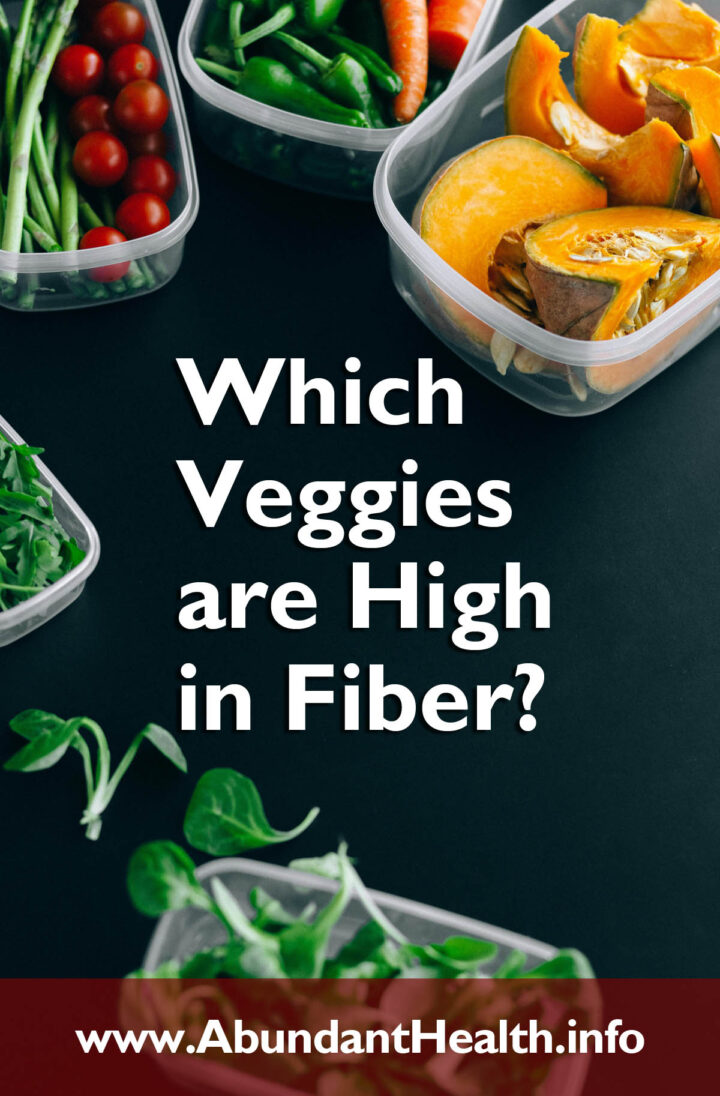
So, which vegetables pack the biggest fiber punch? Here’s what you need to know.
What is fiber and how much am I supposed to be getting?
Fiber, or dietary fiber, refers to the parts of plant foods that our bodies cannot digest or absorb.
It passes mostly unchanged through our stomach and intestines, then gets removed from the body through our stool.1)Iain A. Brownlee, The physiological roles of dietary fibre, Food Hydrocolloids, Volume 25, Issue 2, 2011, Pages 238-250, https://doi.org/10.1016/j.foodhyd.2009.11.013.
There are two types of fiber which have different functions and health benefits: soluble and insoluble.
Soluble fiber dissolves in water and can help lower blood cholesterol levels. Food sources include fruit, vegetables and legumes.
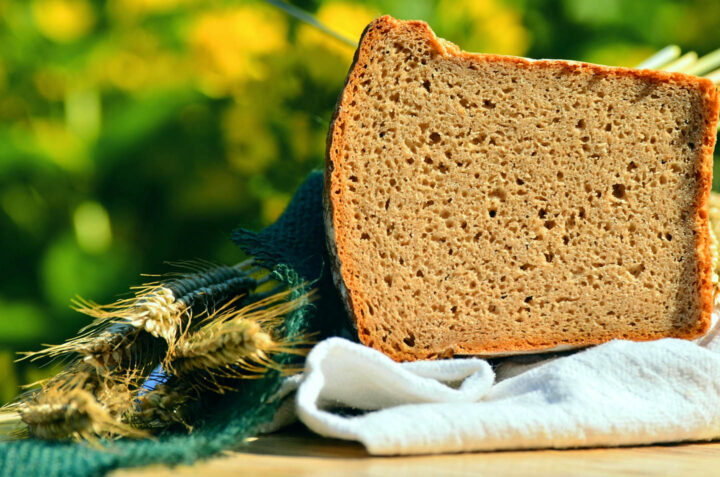
Insoluble fiber adds bulk to the stool which helps move food through the bowels. Food sources include nuts, seeds and whole-grains.
Both types are beneficial.
Australia’s healthy eating guidelines recommend women consume 25 grams of fiber a day and men consume 30 grams a day.2)Dietary fibre. eatforhealth.gov.au
However, research shows most people do not eat enough fiber. Most adults get about 21 grams a day.3)Fayet-Moore F, Cassettari T, Tuck K, McConnell A, Petocz P. Dietary Fibre Intake in Australia. Paper I: Associations with Demographic, Socio-Economic, and Anthropometric Factors. Nutrients. 2018 May 11;10(5):599. doi: 10.3390/nu10050599.
4 big reasons to increase fiber
Boosting fiber intake is a manageable and effective way to improve your overall health.
Making small changes to eat more fibrous vegetables can lead to:
1. Better digestion
Fiber helps maintain regular bowel movements and can alleviate constipation.4)Rao, S.S.C., Yu, S. and Fedewa, A. (2015), Systematic review: dietary fibre and FODMAP-restricted diet in the management of constipation and irritable bowel syndrome. Aliment Pharmacol Ther, 41: 1256-1270. https://doi.org/10.1111/apt.13167
2. Better heart health
Increasing soluble fiber (by eating foods such as fruit and vegetables) can help lower cholesterol levels, which can reduce your risk of heart disease.5)Threapleton D E, Greenwood D C, Evans C E L, Cleghorn C L, Nykjaer C, Woodhead C et al. Dietary fibre intake and risk of cardiovascular disease: systematic review and meta-analysis BMJ 2013; 347 :f6879 doi:10.1136/bmj.f6879
3. Weight management
High-fiber foods are filling, which can help people feel fuller for longer and prevent overeating.6)Solah VA, Kerr DA, Hunt WJ, Johnson SK, Boushey CJ, Delp EJ, Meng X, Gahler RJ, James AP, Mukhtar AS, et al. Effect of Fibre Supplementation on Body Weight and Composition, Frequency of Eating and Dietary Choice in Overweight Individuals. Nutrients. 2017; 9(2):149. https://doi.org/10.3390/nu9020149

4. Reducing diabetes risk and boosting well-being
Fiber-rich diets are linked to a reduced risk of chronic conditions such as type 2 diabetes7)Dodevska, M.S., Sobajic, S.S., Djordjevic, P.B. et al. Effects of total fibre or resistant starch-rich diets within lifestyle intervention in obese prediabetic adults. Eur J Nutr 55, 127–137 (2016). https://doi.org/10.1007/s00394-015-0831-3 and colorectal cancer.8)F Levi, C Pasche, F Lucchini, C La Vecchia, Dietary fibre and the risk of colorectal cancer, European Journal of Cancer, Volume 37, Issue 16, 2001, Pages 2091-2096, https://doi.org/10.1016/S0959-8049(01)00254-4.
Recent research published in prestigious medical journal The Lancet provided some eye-opening stats on why fiber matters.9)Reynolds, Andrew et al. Carbohydrate quality and human health: a series of systematic reviews and meta-analyses. The Lancet, Volume 393, Issue 10170, 434 – 445 https://doi.org/10.1016/S0140-6736(18)31809-9
The researchers, who combined evidence from clinical trials, found people who ate 25–29 grams of fiber per day had a 15–30% lower risk of life-threatening conditions like heart disease, stroke, high blood pressure, and type 2 diabetes compared to those who consumed fewer than 15 grams of fiber per day.
So which vegetables are highest in fiber?
Vegetables are excellent sources of both soluble and insoluble fiber, along with essential vitamins, minerals, and antioxidants.
The following veggies are some of the highest in fiber:10)Foods that contain: Dietary fibre. Australian Food Composition Database – Release 2.0
- green peas
- avocado
- artichokes
- parsnips
- brussels sprouts
- kale
- sweet potatoes
- beetroot
- carrots
- broccoli
- pumpkin
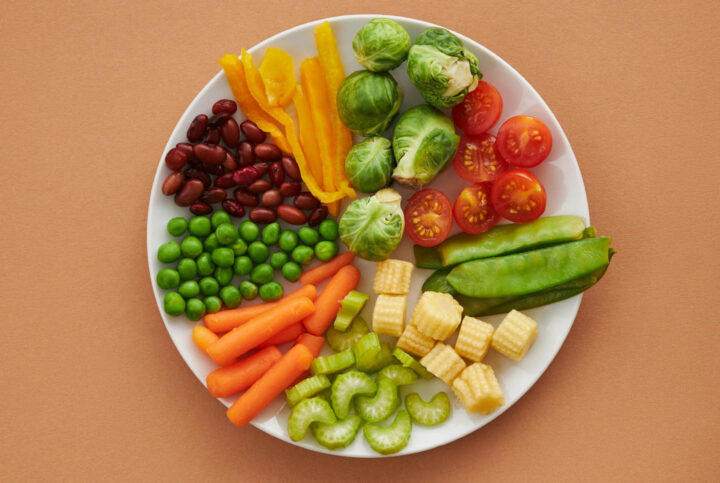
Which vegetables are low in fiber?
Comparatively lower fiber veggies include:
- asparagus
- spinach (raw)
- cauliflower
- mushrooms
- capsicum
- tomato
- lettuce
- cucumber
These vegetables have lots of health benefits. But if meeting a fiber goal is your aim then don’t forget to complement these veggies with other higher-fiber ones, too.
Does it matter how I prepare or cook the vegetables?
Yes.
The way we prepare vegetables can impact their fiber content, as cooking can cause structural changes in the dietary fiber components.11)Dhingra D, Michael M, Rajput H, Patil RT. Dietary fibre in foods: a review. J Food Sci Technol. 2012 Jun;49(3):255-66. doi: 10.1007/s13197-011-0365-5.
Some research has shown pressure cooking reduces fiber levels more greatly than roasting or microwave cooking.12)Z. Zia-ur-Rehman, Mehwish Islam, W.H Shah, Effect of microwave and conventional cooking on insoluble dietary fibre components of vegetables, Food Chemistry, Volume 80, Issue 2, 2003, Pages 237-240, https://doi.org/10.1016/S0308-8146(02)00259-5.
For optimal health, it’s important to include a mix of both cooked and raw vegetables in your diet.
It’s worth noting that juicing removes most of the fiber from vegetables, leaving mostly sugars and water.
For improved fiber intake, it’s better to eat whole vegetables rather than relying on juices.

What about other, non-vegetable sources of fiber?
To meet your fiber recommendations each day, you can chose from a variety of fiber-rich foods (not only vegetables) including:
- legumes and pulses (such as kidney beans and chickpeas)
- wholegrain flour and bread
- fruits
- whole-grains (such oats, brown rice, quinoa, barley)
- nuts and seeds (such as flax-seeds and chia seeds)
A fiber-rich day that meets a recommended 30 grams would include:
- breakfast: 1⁄2 cup of rolled oats and 1⁄2 cup of berries = about 6 grams of fiber
- snack: one banana = about 2 grams
- lunch: two cups of salad vegetables, 1⁄2 cup of four-bean mix = about 9 grams
- snack: 30 grams of almonds = about 3 grams
- dinner: 1.5 cups of stir-fried vegetables with tofu, one cup of cooked brown rice = about 10 grams
- supper: 1⁄2 a punnet of strawberries with some yogurt = about 3 grams.
Bringing it all together
Vegetables are a key part of a healthy, balanced diet, packed with fiber that supports digestion, blood glucose control, weight management, and reduces risk of chronic disease.
However, the nutritional value of them can vary depending on the type and the cooking method used.
By understanding the fiber content in different veggies and how preparation methods affect it, we can make informed dietary choices to improve our overall health.

Stay Always Up to Date
Sign up to our newsletter and stay always informed with news and tips around your health.
This article is republished from The Conversation under a Creative Commons license. Read the original article.


Lauren has an international reputation for improving health care by creating knowledge, translating it into real-life scenarios, and evaluating improvements for people, providers, and funders. Her work spans general practice, community care, aged care, allied health, workforce development, digital health, and population health.

Emily Burch is an Accredited Practicing Dietitian and Lecturer at Southern Cross University. She holds a PhD in Type 2 Diabetes and her current research is dedicated to enhancing the quality of care for people living with diabetes in both the Australian private and public health sectors.
References
| ↑1 | Iain A. Brownlee, The physiological roles of dietary fibre, Food Hydrocolloids, Volume 25, Issue 2, 2011, Pages 238-250, https://doi.org/10.1016/j.foodhyd.2009.11.013. |
|---|---|
| ↑2 | Dietary fibre. eatforhealth.gov.au |
| ↑3 | Fayet-Moore F, Cassettari T, Tuck K, McConnell A, Petocz P. Dietary Fibre Intake in Australia. Paper I: Associations with Demographic, Socio-Economic, and Anthropometric Factors. Nutrients. 2018 May 11;10(5):599. doi: 10.3390/nu10050599. |
| ↑4 | Rao, S.S.C., Yu, S. and Fedewa, A. (2015), Systematic review: dietary fibre and FODMAP-restricted diet in the management of constipation and irritable bowel syndrome. Aliment Pharmacol Ther, 41: 1256-1270. https://doi.org/10.1111/apt.13167 |
| ↑5 | Threapleton D E, Greenwood D C, Evans C E L, Cleghorn C L, Nykjaer C, Woodhead C et al. Dietary fibre intake and risk of cardiovascular disease: systematic review and meta-analysis BMJ 2013; 347 :f6879 doi:10.1136/bmj.f6879 |
| ↑6 | Solah VA, Kerr DA, Hunt WJ, Johnson SK, Boushey CJ, Delp EJ, Meng X, Gahler RJ, James AP, Mukhtar AS, et al. Effect of Fibre Supplementation on Body Weight and Composition, Frequency of Eating and Dietary Choice in Overweight Individuals. Nutrients. 2017; 9(2):149. https://doi.org/10.3390/nu9020149 |
| ↑7 | Dodevska, M.S., Sobajic, S.S., Djordjevic, P.B. et al. Effects of total fibre or resistant starch-rich diets within lifestyle intervention in obese prediabetic adults. Eur J Nutr 55, 127–137 (2016). https://doi.org/10.1007/s00394-015-0831-3 |
| ↑8 | F Levi, C Pasche, F Lucchini, C La Vecchia, Dietary fibre and the risk of colorectal cancer, European Journal of Cancer, Volume 37, Issue 16, 2001, Pages 2091-2096, https://doi.org/10.1016/S0959-8049(01)00254-4. |
| ↑9 | Reynolds, Andrew et al. Carbohydrate quality and human health: a series of systematic reviews and meta-analyses. The Lancet, Volume 393, Issue 10170, 434 – 445 https://doi.org/10.1016/S0140-6736(18)31809-9 |
| ↑10 | Foods that contain: Dietary fibre. Australian Food Composition Database – Release 2.0 |
| ↑11 | Dhingra D, Michael M, Rajput H, Patil RT. Dietary fibre in foods: a review. J Food Sci Technol. 2012 Jun;49(3):255-66. doi: 10.1007/s13197-011-0365-5. |
| ↑12 | Z. Zia-ur-Rehman, Mehwish Islam, W.H Shah, Effect of microwave and conventional cooking on insoluble dietary fibre components of vegetables, Food Chemistry, Volume 80, Issue 2, 2003, Pages 237-240, https://doi.org/10.1016/S0308-8146(02)00259-5. |
Leave a Reply