Cholesterol is a fatty substance found in all human cells. It is an essential component of the cell membrane and can be manufactured in sufficient quantities by the cell itself. Diets high in animal products contain substantial amounts of cholesterol and saturated fat and tend to elevate blood cholesterol levels.
Elevated blood cholesterol levels are associated with an increased risk of heart disease. Desirable blood levels of cholesterol for adults are considered to be less than 200 mg/dl. Risk of heart attack increases substantially above that level. People with high blood cholesterol levels are urged to make adjustments to their lifestyle so as to lower their cholesterol levels. It is noted that for every 10% drop in blood cholesterol levels, there is an associated 20% decrease in risk of heart disease.
What kind of lifestyle changes are associated with a decline in blood cholesterol levels? Regular exercise may both lower one’s total blood cholesterol and raise the good HDL cholesterol level as well as lowering blood pressure levels. A weight reduction program for overweight people will surely produce beneficial changes in blood lipid (fat) levels. Eating a vegetarian diet rich in soluble fiber and low in saturated fat will also lower cholesterol levels. Foods rich in soluble fiber include carrots, apples, citrus, squash, barley, oatmeal, and dry beans.
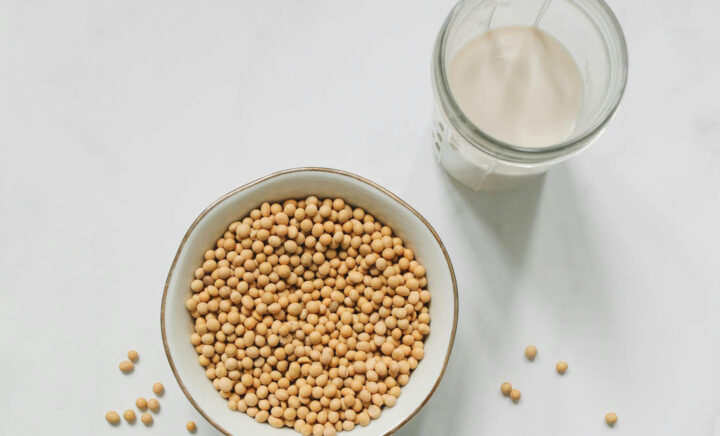
Foods rich in monounsaturated fats, such as most nuts and seeds, avocados, and olives, also lower total blood cholesterol without lowering the HDL levels. The regular use of soy protein, such as found in tofu, soy nuts, soybeans, and soy beverages, will produce a substantial fall in cholesterol and triglyceride (other blood fats) levels. Seeds, such as sesame and pumpkin seeds, are rich in phytosterols such as beta-sitosterol and campesterol. These plant sterols inhibit cholesterol absorption and help lower blood cholesterol levels.
Herbs Also Help
There are also a number of herbs that are effective for reducing cholesterol levels. These should be used as aids to the dietary/lifestyle modifications mentioned above. Research studies have shown that garlic, psyllium, fenugreek, flaxseed, and lemon grass all contain hypolipidemic (blood-fat-lowering) properties.
In addition, many herbs contain a variety of substances called flavonoids which have extensive properties that promote human health and help reduce the risk of heart disease. Flavonoids act as antioxidants and protect LDL cholesterol from oxidation to the unsafe cholesterol oxides, inhibit platelet aggregation, which causes clots, and have anti-inflammatory action.
A study of elderly Dutch men found that the higher the flavonoid intake, the fewer deaths from heart disease and the incidence of heart attacks over a five-year period. The group of those who had the highest consumption of flavonoids had 60 percent fewer deaths from heart disease than had the low-flavonoid consumers.
Pycnogenol, the extract of the bark of a European pine, is an herbal product that has become very popular of late because of its rich flavonoid content. It is claimed that the proanthocyanidins in the pine extract are useful for the treatment of vascular disorders and protect against atherosclerosis,
Garlic Protects
Garlic (Allium sativum) has been effectively used as food and medicine for many centuries. The compound producing much of the activity of garlic is allicin, which is released when intact cells of a garlic clove are crushed. Recent research has established the value of garlic for protecting against cardiovascular disease. Garlic is known to contain a number of cholesterol-lowering agents such as diallyl disulfide, allyl propyl disulfide, and other products of allicin. Regular use of garlic is useful in lowering the risk of heart attacks since it lowers both total and LDL cholesterol levels, without affecting HDL cholesterol levels.
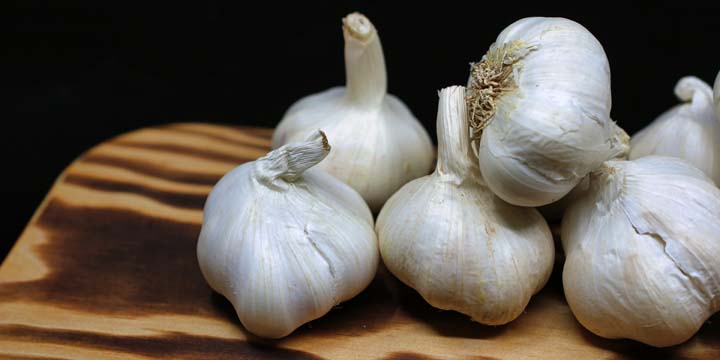
On average, one-half to one clove per day reduces elevated blood pressure levels, due to its vasodilator (blood-vessel-dilating) properties, and inhibits platelet clumping along with decreasing fibrinogen levels, hence decreasing clotting. 1)The antithrombotic (anti-clot forming) properties are due to the presence of ajoenes, allyl methyl trisulfide andvinyl dithiins (sulfur-containing phytochemicals) which are produced from the breakdown of allicin andvinyldithiins (sulfur-containing phytochemicals) which are produced from the breakdown of allicin.
Researchers in Kuwait found that daily consumption of 3 grams of garlic (one clove) for 6 months resulted in an 80 percent decrease in serum thromboxane B2 (a measure of blood-clot- ting tendency) as well as a 20 percent decrease in coronary heart disease in middle-aged men.
The odor-modified garlic extract (Kyolic) was found to be just as effective as fresh garlic for lowering blood cholesterol levels. On the other hand, the dried garlic is less effective than the fresh garlic, or not active at all. It should be noted that the beneficial properties are seen when substantial amounts of garlic are used for periods of time greater than six months. Enteric-coated pills, which dissolve in the intestinal tract, cut down on odor problems and improve the absorption of allicin, the key ingredient.
Psyllium and Flaxseed
Some patients with elevated blood cholesterol levels have received benefits from the use of psyllium (Plantago psyllium), a rich source of mucilage, a soluble fiber.2)When 5 g (one teaspoonful of powder) of psyllium was given twice a day for four months to subjects with blood cholesterol levels over 220 mg/dl, their total cholesterol levels dropped an average of 10 – 15 mg/dl while LDL cholesterol levels dropped about 11-13 mg/dl.
Results tended to be greater in those consuming a high-fat diet. Psyllium-fortified cereal may provide up to four grams of psyllium per serving.
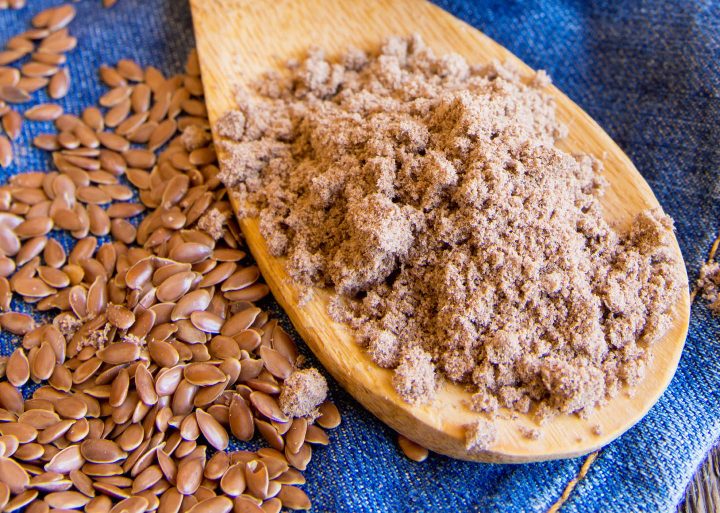
Flour derived from flaxseed (Linum usitatissimum) is increasingly being used in bread and bakery products to provide not only a nutty flavor but also to increase the nutritional and health benefits of the final product. The use of flax seed can lower both blood cholesterol and LDL cholesterol levels due to its very low-saturated-fat content, high content of polyunsaturated fat and phytosterols, and its rich mucilage content.3)When fifteen patients with elevated blood cholesterol levels (over 240 mg/dl) were fed 15 g ground flaxseed and 3 slices of flaxseed-containing bread daily for three months, the patients experienced about a 10 percent decrease in total cholesterol and LDL cholesterol levels as well as a substantial decrease in platelet aggregation, while their HDL cholesterol and triglyceride levels did not significantly change.
Other Herbs Provide Benefits
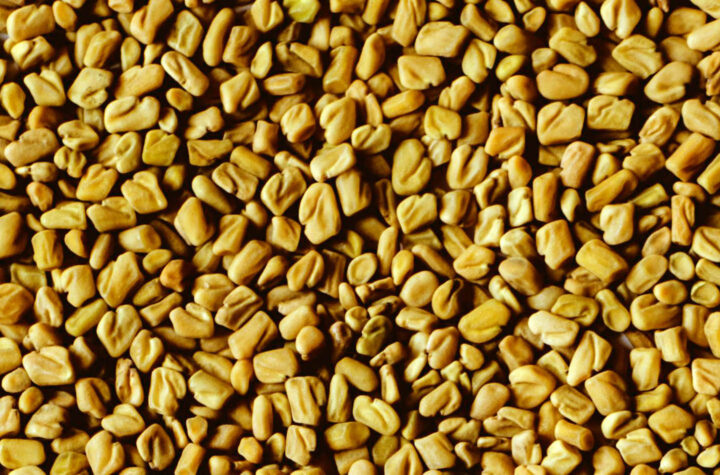
Studies involving fenugreek (Trigonella foenum-graecum) have shown that it may also have some useful cholesterol-lowering activity. Subjects with elevated blood cholesterol levels who consumed powdered fenugreek seeds, experienced a significant reduction of LDL cholesterol and triglyceride levels without any change in HDL levels.
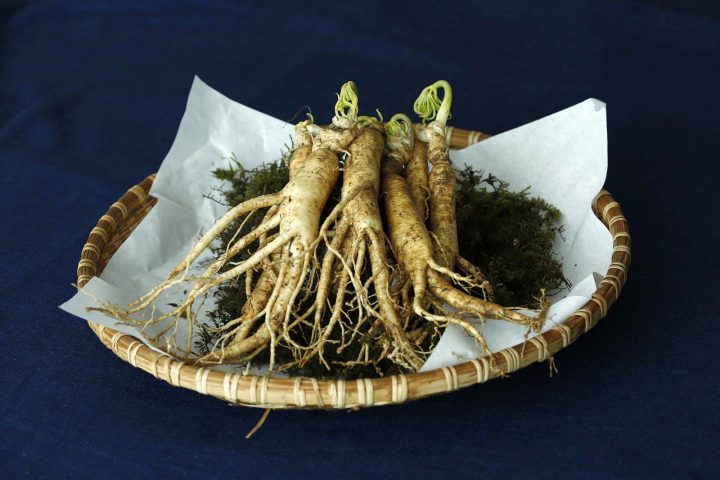
Asian ginseng (Panax ginseng) is a medicinal plant with a long history of use. Researchers have now discovered that ginseng root can help decrease the formation of blood clots.4)Gensing root contains a non-sapenin fraction that may inhibit platelet aggregation by inhibiting thromboxane A2 production.
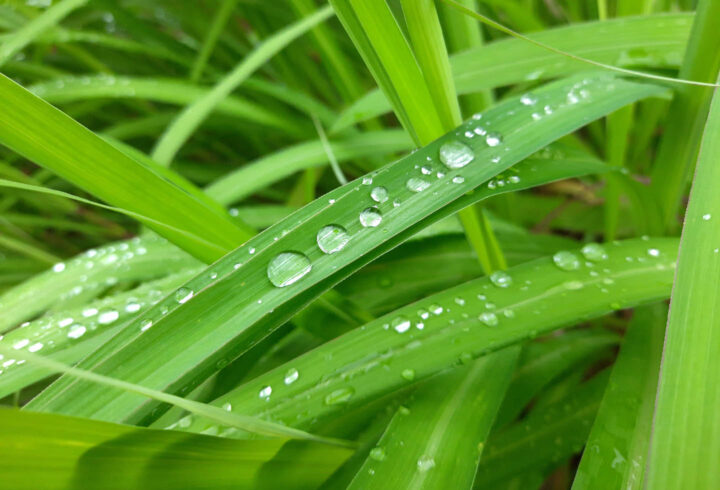
A number of subjects with high cholesterol levels, who took 400 mg/day of lemon grass (Cymbopogon citratus) oil, rich in geraniol and citral, had a drop in their cholesterol levels over a three-month period.

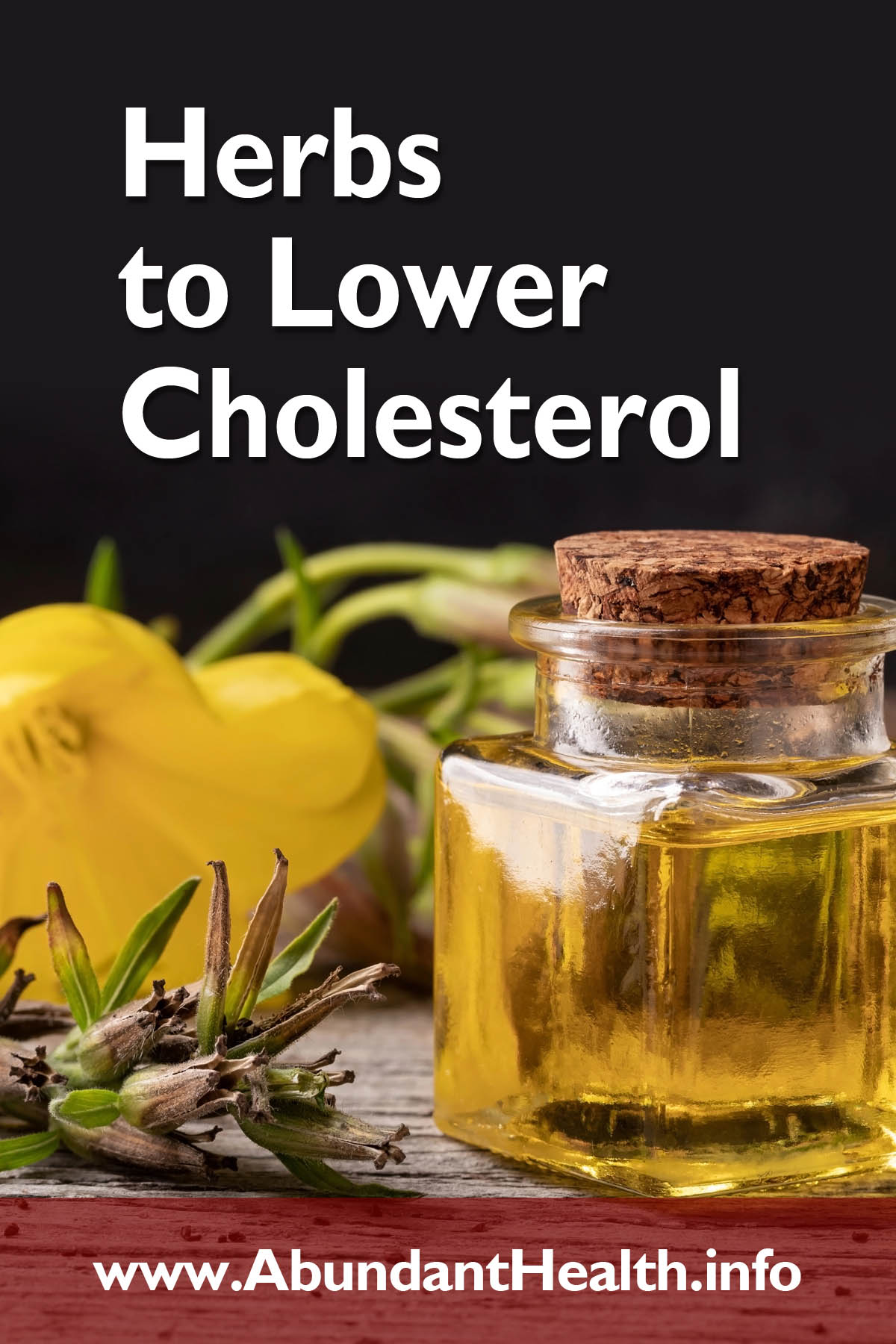
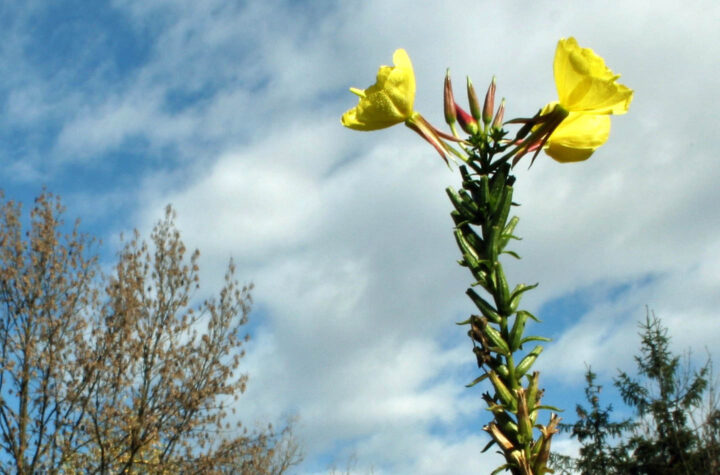
The seeds of evening primrose (Oenothera biennis) contain substantial amounts of gamma-linolenic acid (7-10%) which has an anti-inflammatory effect. Various research groups have shown that evening primrose oil may lower blood cholesterol levels slightly and inhibit clot formation. Evening primrose oil , due to its omega-3 oil content, has also been used to treat atopic (allergic) eczema, asthma, arthritis and inflammation. Double-blind studies have shown that evening primrose oil significantly decreases irritability, breast pain and tenderness and mood swings associated with premenstrual syndrome. Unfortunately, evening primrose oil may be contaminated with the cheaper soy oil.

Recently, the seeds of European black currant (Ribes nigrum) were found to be a richer source of gamma-linolenic acid than evening primrose oil.
Conclusions
While a low-fat vegetarian diet, accompanied by a regular exercise program, is a safe and effective way to lower blood cholesterol levels, the use of certain herbs may also be useful adjuncts for controlling elevated blood cholesterol levels.

Stay Always Up to Date
Sign up to our newsletter and stay always informed with news and tips around your health.

Winston is Professor of Nutrition and Director of the dietetics internship program at Andrews University in Berrien Springs, Michigan, where he has taught health and nutrition classes since 1987.
References
| ↑1 | The antithrombotic (anti-clot forming) properties are due to the presence of ajoenes, allyl methyl trisulfide andvinyl dithiins (sulfur-containing phytochemicals) which are produced from the breakdown of allicin andvinyldithiins (sulfur-containing phytochemicals) which are produced from the breakdown of allicin. |
|---|---|
| ↑2 | When 5 g (one teaspoonful of powder) of psyllium was given twice a day for four months to subjects with blood cholesterol levels over 220 mg/dl, their total cholesterol levels dropped an average of 10 – 15 mg/dl while LDL cholesterol levels dropped about 11-13 mg/dl. |
| ↑3 | When fifteen patients with elevated blood cholesterol levels (over 240 mg/dl) were fed 15 g ground flaxseed and 3 slices of flaxseed-containing bread daily for three months, the patients experienced about a 10 percent decrease in total cholesterol and LDL cholesterol levels as well as a substantial decrease in platelet aggregation, while their HDL cholesterol and triglyceride levels did not significantly change. |
| ↑4 | Gensing root contains a non-sapenin fraction that may inhibit platelet aggregation by inhibiting thromboxane A2 production. |
Leave a Reply