Just thinking about all the chores that are building up, the errands you have to run, the looming work deadlines and the social demands on your overbooked calendar can run you ragged. Talk about stress!

If left unchecked, stress can lead to many health problems, including heart disease, diabetes, obesity, and high blood pressure. Not to mention stress can also take a toll on your thoughts and behavior.
When life gets hectic and we’re feeling stressed, we tend to put healthy eating on the back burner. But heading to the vending machine or grabbing a meal at the drive-thru won’t alleviate the stress in your day.
To combat stress levels, take a look at what you eat. It may actually help relieve your tension. In fact, certain foods can help stabilize your blood sugar levels, can lower your cortisol and change your emotional response to stress.
Here are seven foods you can eat to reduce stress.
1. Oatmeal
This slow burning breakfast food is the perfect comfort food. It stimulates your brain to produce the feel-good chemical serotonin, which is antagonic to the stress hormone cortisol. Increasing serotonin will help you keep your cortisol level low.
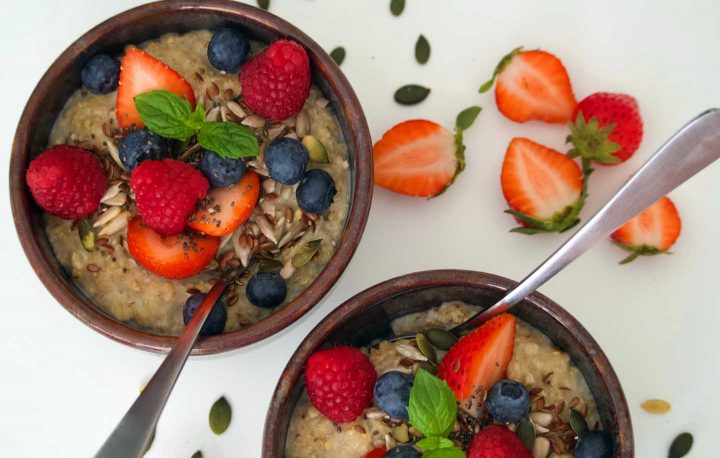
The soluble fiber in oatmeal keeps you fuller for longer as it provides a slow burn, maintaining your glucose level more stable throughout the morning. It’s sure to help you stave off stress and stay focused throughout your morning.
When we’re stressed our blood pressure can become elevated. A study published in the American Journal of Clinical Nutrition found that a diet which includes whole grains such as oats can lower blood pressure. Actually, all forms of whole grains like whole wheat bread, brown rice or whole wheat pasta will give you the same kind of benefits.
2. Brazil Nuts
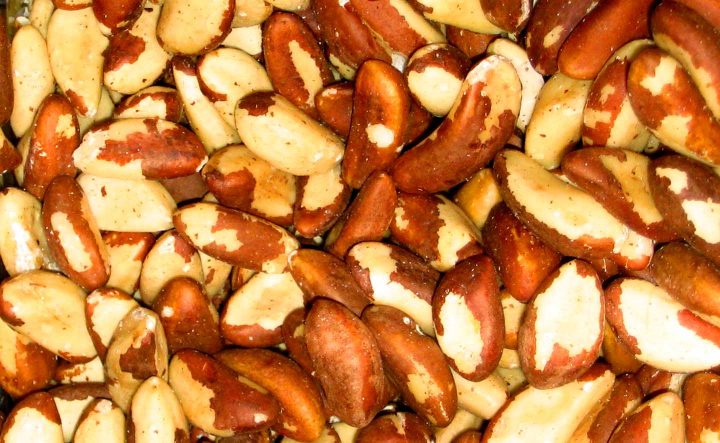
This nut from the Amazon Rainforest is one of the best food sources of selenium. This mineral is an essential element to calm your nerves, alleviate fears, improve your mood and increase your energy levels. Besides that, selenium can help to improve your immune system. It is also important for proper thyroid function, cancer prevention and protects the body in many other ways. A consumption of 3 or 4 nuts will give you an adequate amount of selenium for the day.
3. Flax Seeds
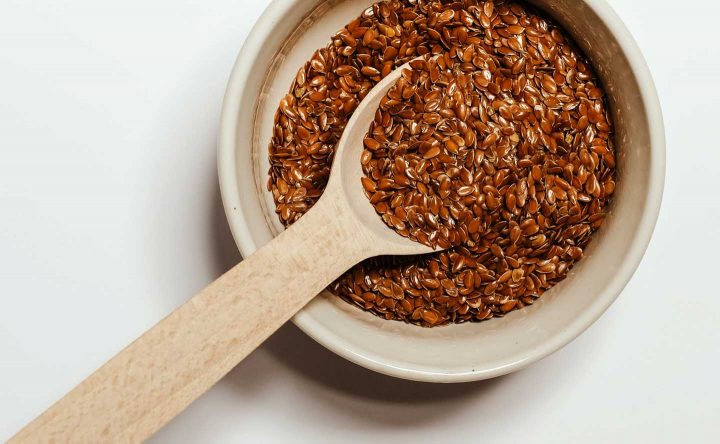
This superfood is an excellent source of magnesium which may help regulate emotions, alleviate depression, combat fatigue and minimize irritability. Magnesium can also help fight PMS!
Flax seeds contain Omega 3, which is helpful for inhibiting inflammation and is great for cortisol reduction. Furthermore, it may improve mood by helping neurons to communicate with one another. Studies also showed a reduction of anxiety with the consumption of Omega 3.
Flaxseed is absorbed best, if you grind the seeds shortly before consumption. It is good to grind only what you consume in 2-3 days. Use a tablespoon daily in your food, over your salad, and in bakeries like bread and cakes. Mix 8 parts of toasted and ground flaxseed with one part of salt, and you have an excellent spicing for your salad plate.
You can also include other omega-3 rich foods in your daily diet such as chia seeds, walnuts, wheat germs, tofu and cauliflower.
4. Citrus Fruits
Instead of reaching for sugary treats during stressful times, why not choose oranges, kiwis, some berries or any citrus fruit? Vitamin C can help slow down your body’s production of cortisol while also quickly clearing it from your bloodstream.
Vitamin C is also beneficial for the prevention of blood pressure spikes that usually occur as part of your body’s response to stress.
Get a good amount of citrus fruits in your diet. Citrus reduces levels of the stress hormone norepinephrine, thus making us feel much better.
5. Garlic
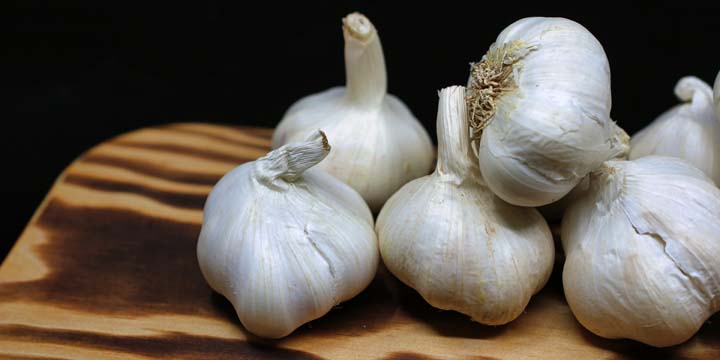
A Japanese study discovered that garlic is effective in reducing cortisol levels. Garlic is also a good source of antioxidants, strengthens the immune system and helps to lower blood pressure.
6. Microgreens
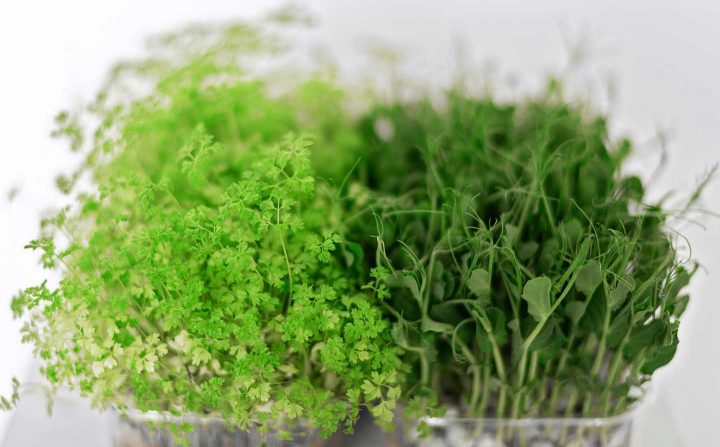
Microgreens are salad greens picked very young, usually soon after the first leaves have formed. The great thing about microgreens is that they contain higher concentrations of stress-busting vitamin C. Young cilantro and baby red cabbages contain up to six times more vitamin C than their mature versions.
If you have the time and space, growing your own microgreens is a good way of bringing nature into your home and of making nutrition just a hand-pick away. If not, they are usually readily available in the produce section of the supermarket, as they are highly sought for their nutritive, taste and garnishing qualities.
7. Cashews
These kidney-shaped nuts are a good source of zinc which is a critical mineral that can help reduce anxiety symptoms such as irritability and lack of focus. Other good sources of zinc are sesame, flax seeds, Brazil nuts, chickpeas and lentils. Cashews are also a source of magnesium which is good for your emotions. You can easily add a few nuts for breakfast, or use them to decorate your salad at lunch.
Conclusion
In recent years science has discovered more and more links between the foods we eat and the way we feel. We have given you seven examples of foods you can add to your diet, that can help you relieve stress and improve your health and wellbeing. Actually, using plenty of plant-based food sources, the way that God has created them, will give you a lot of benefits for your health and mental well-being. Try it out for yourself!
Do you need a guide to help you understand how to cope with Stress in an all inclusive approach? Learn how to combat stress, mentally, physically, emotionally and strategically in your life.

What food do you turn to in times of stress? Share it with us in the comments.

Martin Neumann was trained for Lifestyle Interventions in 1998 at Wildwood Lifestyle Center & Hospital. Since then he has lectured in different parts of the world about a healthy lifestyle and natural remedies. He is the founder of the Abundant Health website.
Leave a Reply