Many of us germinated cress seeds on a bit of wet tissue at primary school, giving us a first introduction to edible microgreens. Recent interest in more diverse ways of getting flavor and nutrition into the vegetable components of our diets has increased the focus on the potential these crops have to offer.
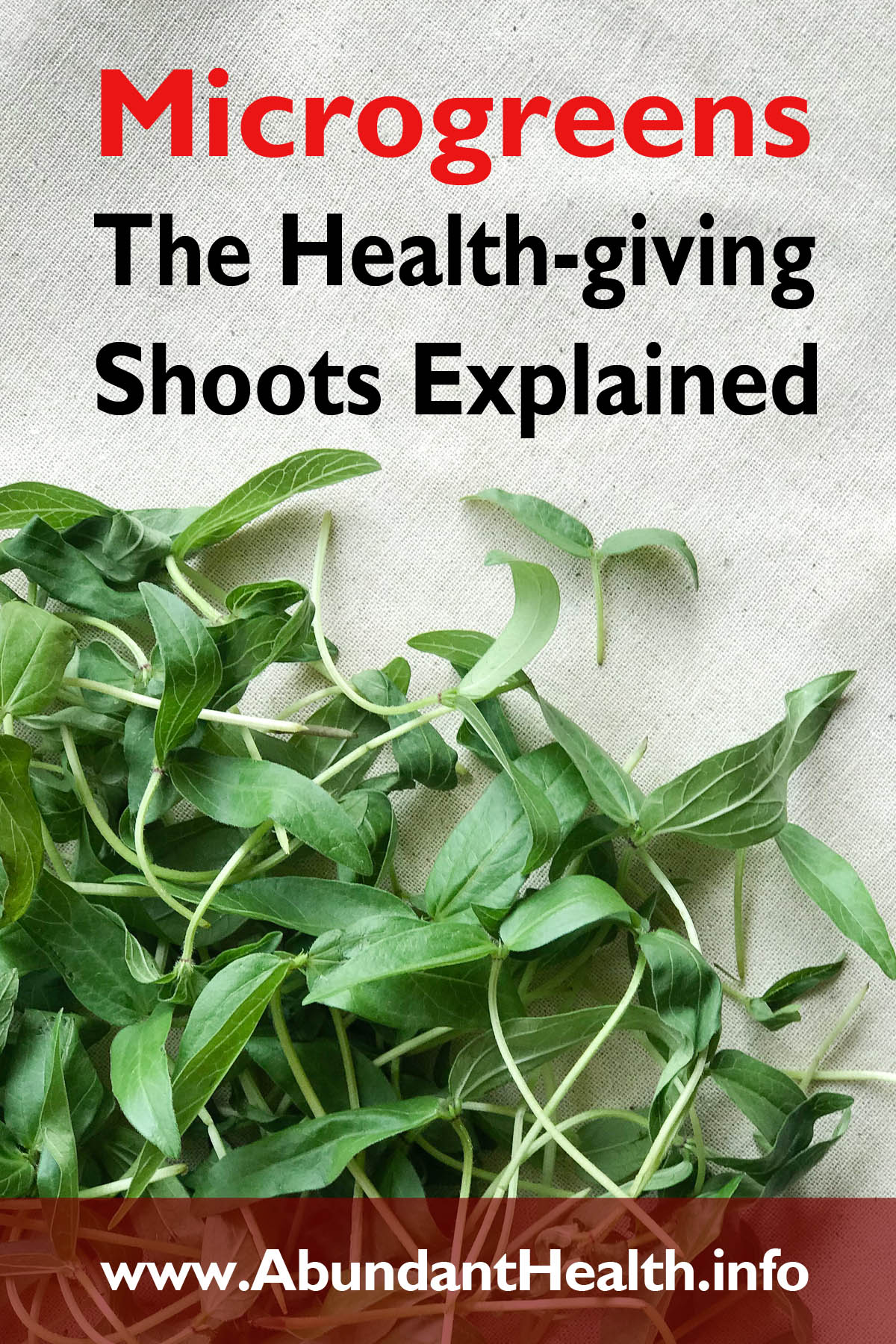
There are now a growing number of horticultural businesses operating at a significant commercial scale to deliver a wide variety of microgreens to the market. In most cases, sales are to the food service industry, rather than retail, meaning you are likely to find them in your sandwich or as garnish on a restaurant dish. Microgreens are simply the cotyledons, or seed leaves, that first emerge from a seed when it germinates. If the seedlings were left to mature, they would eventually become full-sized leafy vegetable and herb crops.
These miniature leafy salad crops pack a lot of nutritionally beneficial and flavorsome goodies into a small space. Seedlings of plants such as beetroot, radish, rocket, basil and coriander come in many shades of red and green. They give a real zing to a dish with their distinctive flavors and contain biologically active compounds, such as glucosinolates and polyphenols, that are known to reduce the risk of some cancers and cardiovascular disease.1)Bhaswant M, Shanmugam DK, Miyazawa T, Abe C, Miyazawa T. Microgreens—A Comprehensive Review of Bioactive Molecules and Health Benefits. Molecules. 2023; 28(2):867. https://doi.org/10.3390/molecules28020867
Recent research has shown that the “bioavailability”, that is, the ease with which the human body can access all the nutrients locked up in the plants we eat, is better in some microgreens than others.2)Abellán Á, Domínguez-Perles R, García-Viguera C, Moreno DA. In Vitro Evidence on Bioaccessibility of Flavonols and Cinnamoyl Derivatives of Cruciferous Sprouts. Nutrients. 2021; 13(11):4140. https://doi.org/10.3390/nu13114140 Red radish sprouts had higher bioavailability of polyphenols than red cabbage, broccoli and white mustard, even though the concentrations found in the radish were lower. These findings show just how important it is for us to understand the digestibility of the food we eat, and not simply the concentration of different compounds within it.

Although microgreens are more nutrient-dense than their fully-grown relatives,3)Weber CF (2017) Broccoli Microgreens: A Mineral-Rich Crop That Can Diversify Food Systems. Front. Nutr. 4:7. doi: 10.3389/fnut.2017.00007 the portion sizes offered still tend to be very small. While microgreens are still treated as a garnish instead of a valuable component of a diet, people will not get as much of the nutritional benefits as they could.
Grown indoors
Microgreens can easily be grown indoors and don’t require much space. Indoor growing has its challenges, as the energy demand is often high to provide the lighting and temperatures that the plants need. However, if the energy used is from renewable sources, indoor growing becomes sustainable.
Researchers in Canada also discovered that using continuous LED lighting both increased the yield of microgreens and reduced the energy costs associated with production compared with using traditional light/dark cycles.4)Lanoue J, St. Louis S, Little C and Hao X (2022) Continuous lighting can improve yield and reduce energy costs while increasing or maintaining nutritional contents of microgreens. Front. Plant Sci. 13:983222. doi: 10.3389/fpls.2022.983222
Microgreens are harvested within days of germination, meaning that they don’t need additional fertilizer supply, and they suffer very few problems of pests and diseases that affect plants grown to greater maturity because they are grown in such clean indoor environments. All they need is a bit of water to sustain them.

However, the indoor growing environment also offers the potential for fortification of microgreen crops, ensuring that they are even richer sources of the nutrients that we are often deficient in. A 2022 study from the Slovak University of Agriculture in Nitra, showed that a range of different varieties of microgreens could be more than 100-fold enriched with selenium by including it in the growing medium.5)Mezeyová I, Hegedűsová A, Golian M, Andrejiová A, Šlosár M, Mezey J. Influence of Microgreens Biofortification with Selenium on Their Quantitative and Qualitative Parameters. Agronomy. 2022; 12(5):1096. https://doi.org/10.3390/agronomy12051096 Selenium is an essential nutrient that lowers the risk of developing cancer.
The biggest challenge that remains is to improve the shelf-life of these seedlings. Many of the things that make them attractive as crops, such as tender texture and growing in a highly protected environment, make them unable to withstand the conditions they are exposed to after harvest.6)Gupta A, Sharma T, Singh SP, Bhardwaj A, Srivastava D and Kumar R (2023) Prospects of microgreens as budding living functional food: Breeding and biofortification through OMICS and other approaches for nutritional security. Front. Genet. 14:1053810. doi: 10.3389/fgene.2023.1053810 The rise in popularity of these crops will encourage plant breeders to invest in developing varieties that are specifically adapted to cultivation as microgreens.
The low-input, indoor-friendly production of microgreens provides opportunities to have leafy veg grown in towns and cities, or even in people’s own homes. These short supply chains mean that the product reaching people’s plates is fresh and of good quality.
When production is more local to the point of consumption people feel more connected to their food supply and are more likely to incorporate these sustainable, healthy and tasty little leaves into their diets.

Stay Always Up to Date
Sign up to our newsletter and stay always informed with news and tips around your health.

Carol is presently Research Dean for Agriculture Food and Health at the University of Reading. She directs FoodSEqual, funded by the government to transform the UK food system which aims to co-produce healthy, sustainable food systems for disadvantaged communities.
References
| ↑1 | Bhaswant M, Shanmugam DK, Miyazawa T, Abe C, Miyazawa T. Microgreens—A Comprehensive Review of Bioactive Molecules and Health Benefits. Molecules. 2023; 28(2):867. https://doi.org/10.3390/molecules28020867 |
|---|---|
| ↑2 | Abellán Á, Domínguez-Perles R, García-Viguera C, Moreno DA. In Vitro Evidence on Bioaccessibility of Flavonols and Cinnamoyl Derivatives of Cruciferous Sprouts. Nutrients. 2021; 13(11):4140. https://doi.org/10.3390/nu13114140 |
| ↑3 | Weber CF (2017) Broccoli Microgreens: A Mineral-Rich Crop That Can Diversify Food Systems. Front. Nutr. 4:7. doi: 10.3389/fnut.2017.00007 |
| ↑4 | Lanoue J, St. Louis S, Little C and Hao X (2022) Continuous lighting can improve yield and reduce energy costs while increasing or maintaining nutritional contents of microgreens. Front. Plant Sci. 13:983222. doi: 10.3389/fpls.2022.983222 |
| ↑5 | Mezeyová I, Hegedűsová A, Golian M, Andrejiová A, Šlosár M, Mezey J. Influence of Microgreens Biofortification with Selenium on Their Quantitative and Qualitative Parameters. Agronomy. 2022; 12(5):1096. https://doi.org/10.3390/agronomy12051096 |
| ↑6 | Gupta A, Sharma T, Singh SP, Bhardwaj A, Srivastava D and Kumar R (2023) Prospects of microgreens as budding living functional food: Breeding and biofortification through OMICS and other approaches for nutritional security. Front. Genet. 14:1053810. doi: 10.3389/fgene.2023.1053810 |
Leave a Reply